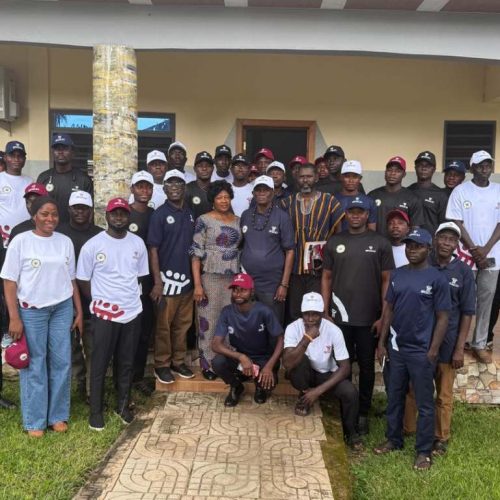
The Regional Economic Planning Officer at the Oti Regional Coordinating Council (ORCC), Rev. Isaac Asante Wiafe, has been honoured with a Lifetime Achievement Award by Ghana Institute of Planning (GIP) for his longstanding service, loyalty and active contribution to the planning profession.
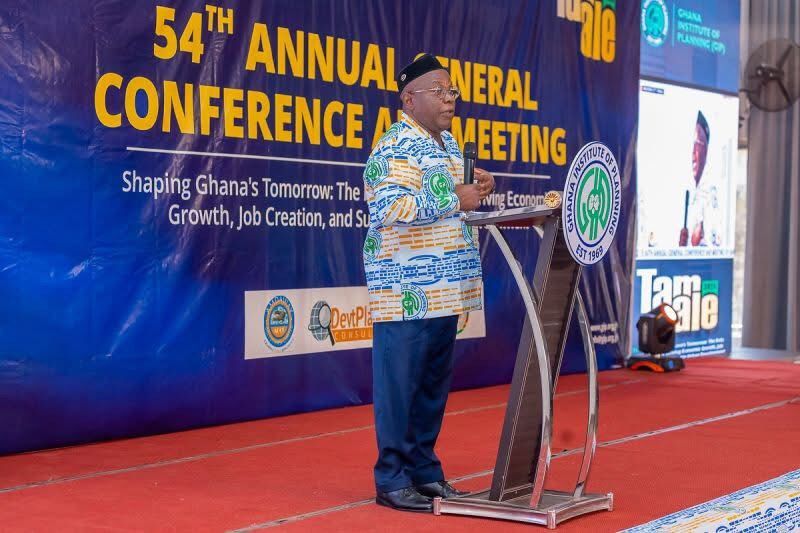
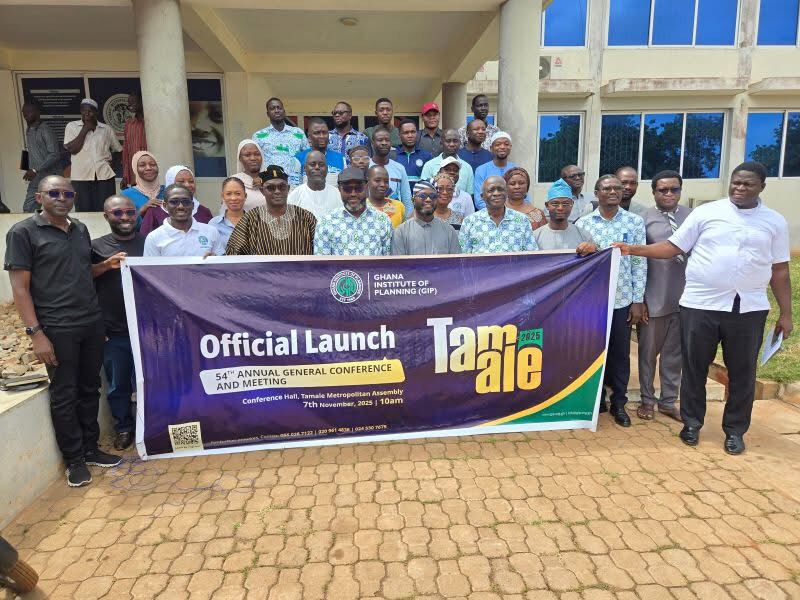
The event also saw the launch of the Planning Ghana Magazine and a new policy brief series, initiatives designed to expand national discourse on planning and strengthen the country’s development strategy. The conference was held under the theme: “Shaping Ghana’s Tomorrow: The Role of Planning in Driving Economic Growth, Job Creation and Sustainable Urban Development.”
Speaking at the conference, the Minister of Local Government, Chieftaincy and Religious Affairs, Ahmed Ibrahim, reaffirmed the government’s commitment to the “No Plan, No Cash” principle, describing it as essential to ensuring accountability and value for money in local development.
He noted that public funds were repeatedly spent on decongestion exercises and other corrective interventions costs that could be avoided with rigorous spatial planning and effective development control. Mr Ibrahim said that as part of reforms, the government would redirect expenditure towards proactive planning to prevent congestion, safeguard public spaces and promote orderly urban growth.
The Minister also announced that planning would feature as a stand-alone requirement in the next District Assemblies Common Fund (DACF) Utilisation Guidelines. This is expected to compel Metropolitan, Municipal and District Assemblies (MMDAs) to prioritise plan preparation and ensure stronger alignment between approved plans and funded projects.
Taking his turn at the event, the Chairman of the National Development Planning Commission (NDPC), Dr. Nii Moi Thompson, stressed the importance of long-term planning in achieving national transformation.
In his remarks, GIP President Pln. Percy Anaab Bukari (FGIP) expressed appreciation to the Minister, guest speakers and partner institutions for their support. He reaffirmed the Institute’s commitment to advancing evidence-based planning and deepening Ghana’s decentralised planning framework.
There were renewed calls for planners to champion policies and strategies that could accelerate economic growth, create jobs and guide sustainable urban development nationwide.