SOCO PROJECT TRAINS COMMUNITY FACILITATORS TO STRENGTHEN COMMUNITY PARTICIPATION AND LOCAL DEVELOPMENT
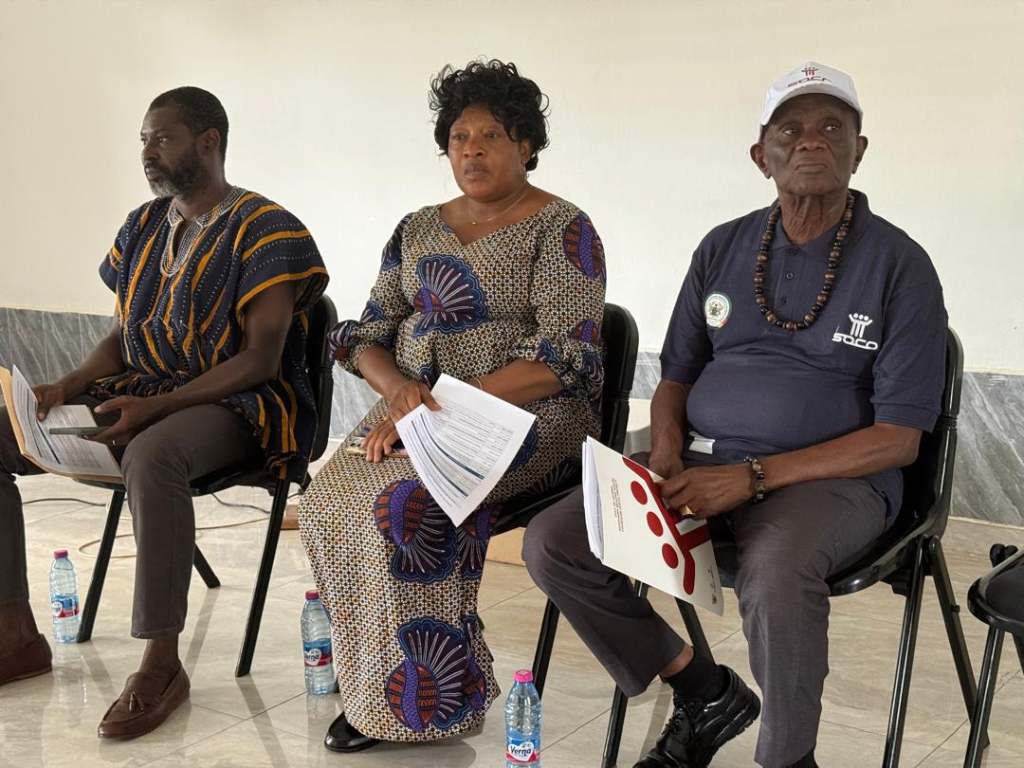
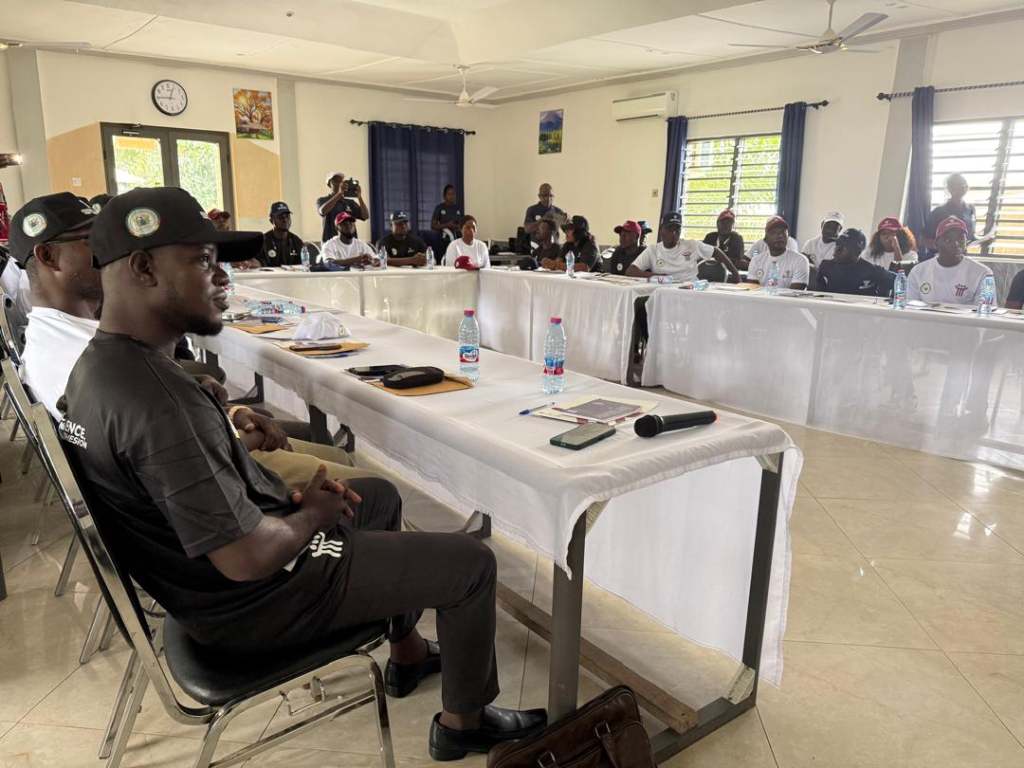
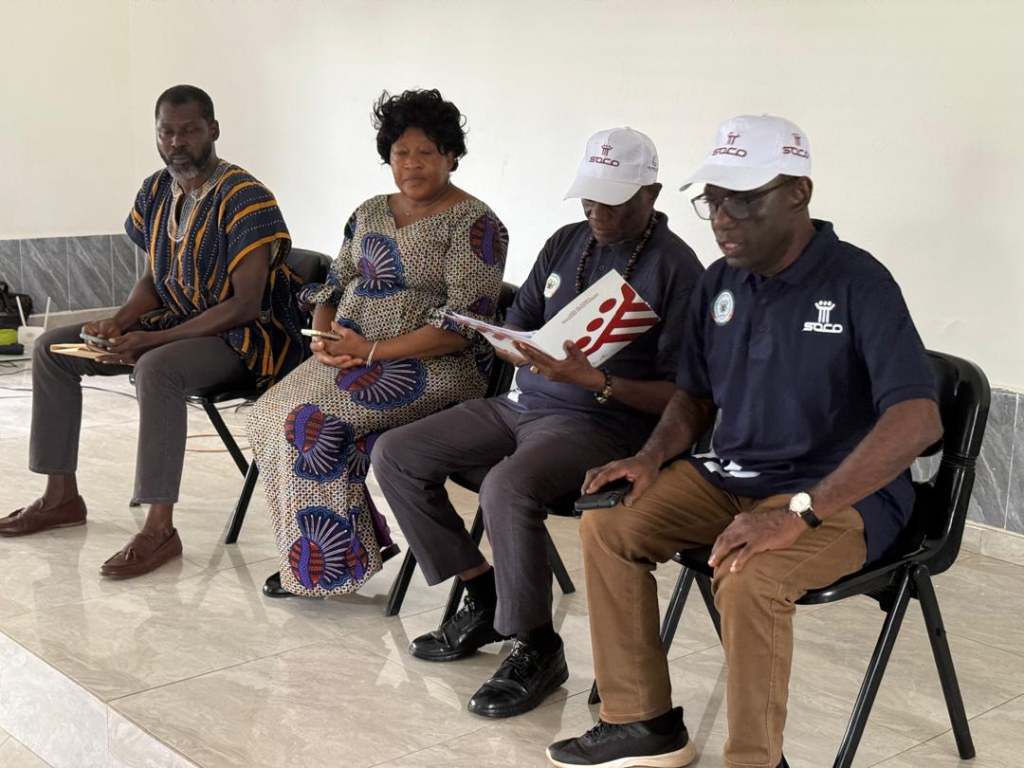
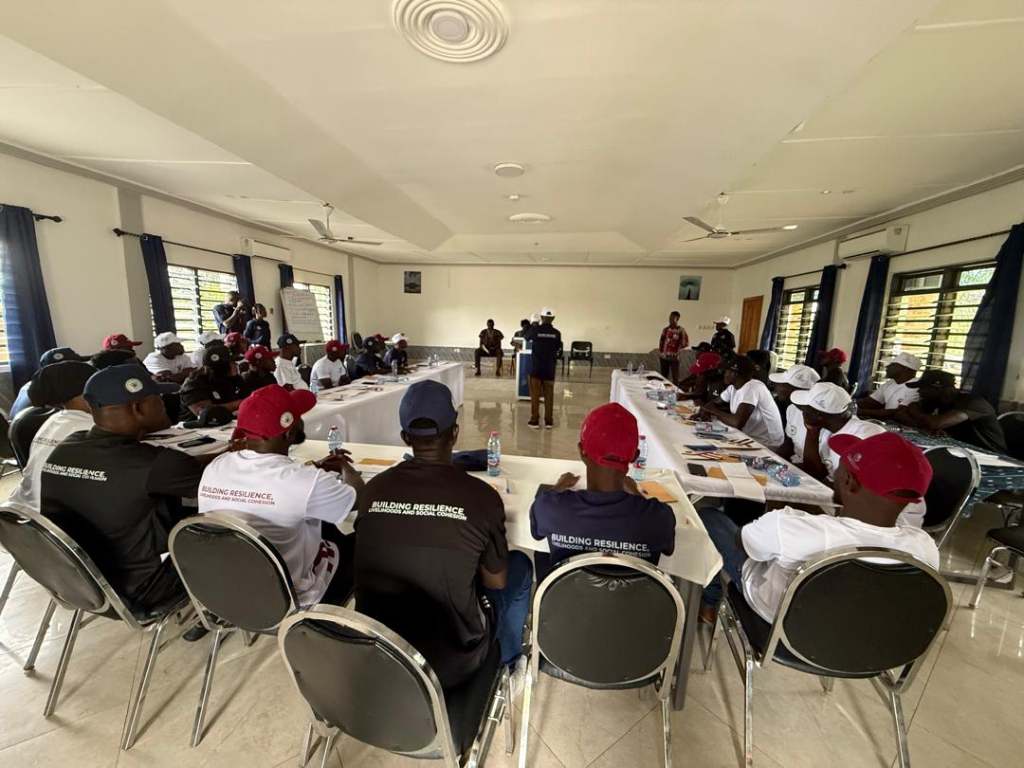
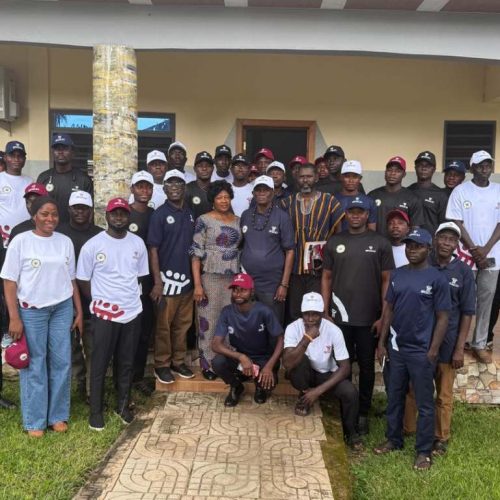
The SOCO Project has commenced training for newly recruited Community Facilitators, equipping them with the knowledge and skills required to support project implementation across beneficiary communities.
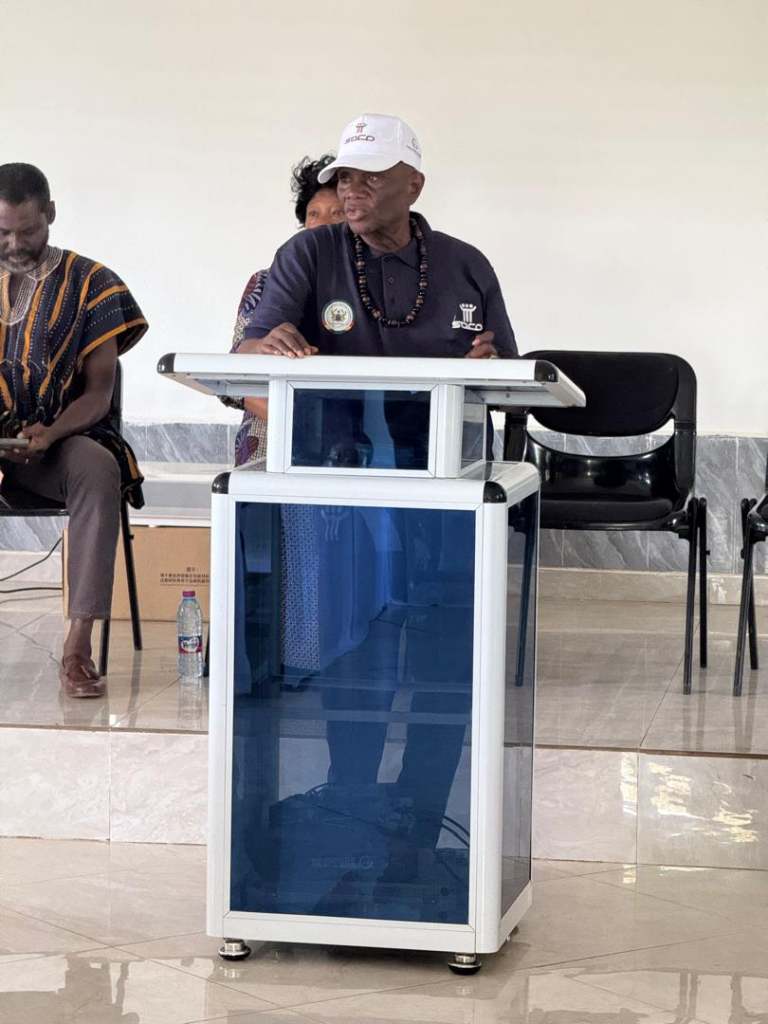
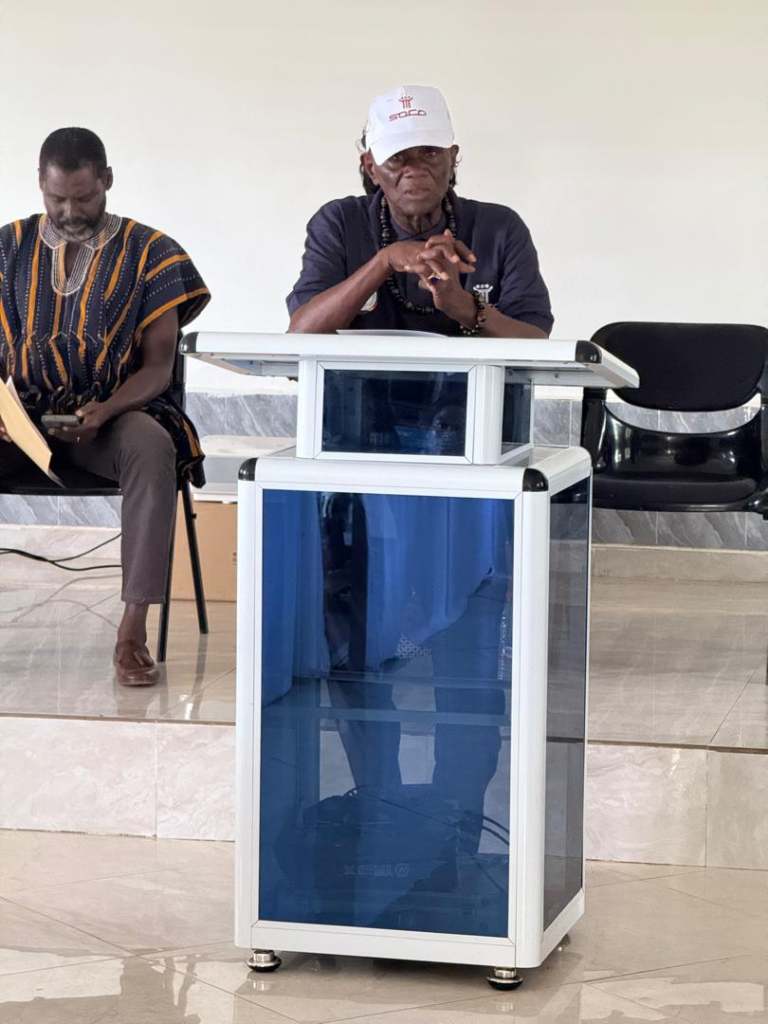
Welcoming participants to the training, project leadership congratulated the Community Facilitators on their selection and emphasized the vital role they will play in advancing community development efforts. As frontline representatives of the project, facilitators will work closely with traditional authorities, women, youth, persons with disabilities, and other community stakeholders to promote participation, share information, and support the successful delivery of project interventions.
A key feature of the SOCO Project is its Community-Driven Development approach, which places communities at the center of decision-making. Through this approach, community members are actively involved in identifying needs, setting priorities, and participating in the implementation and monitoring of development interventions. This inclusive process fosters ownership, strengthens accountability, and enhances the long-term sustainability of project investments.
Community Facilitators were encouraged to carry out their responsibilities with professionalism, patience, respect, and integrity. They were reminded of the importance of ensuring that all groups, particularly women, young people, and vulnerable persons, have the opportunity to participate meaningfully in community development processes. Facilitators were also urged to communicate accurately and seek guidance from project or Assembly officials whenever clarification is needed.
Beyond supporting community development, the engagement of Community Facilitators creates valuable employment and income-generating opportunities within project beneficiary areas. The initiative not only provides participants with a source of livelihood but also offers practical experience in community engagement, local development, communication, and the use of digital tools.
Participants were encouraged to maximize the benefits of this opportunity by investing in skills development, productive ventures, and other activities that can improve their long-term economic well-being. The project aims to ensure that the benefits of participation extend beyond project implementation to positively impact the lives and livelihoods of facilitators and their households.
The Government and the World Bank continue to invest significant resources in infrastructure, livelihoods, and community development interventions through the SOCO Project. The success and sustainability of these investments depend largely on effective community participation and local ownership.
In closing, Community Facilitators were encouraged to approach their assignments with dedication, fairness, and a strong sense of responsibility. By fostering inclusive participation and building community trust, they will play a critical role in ensuring that project investments deliver lasting benefits for communities for years to come.
The SOCO Project wished all participants a successful training programme and every success in their role as partners in driving sustainable community development.