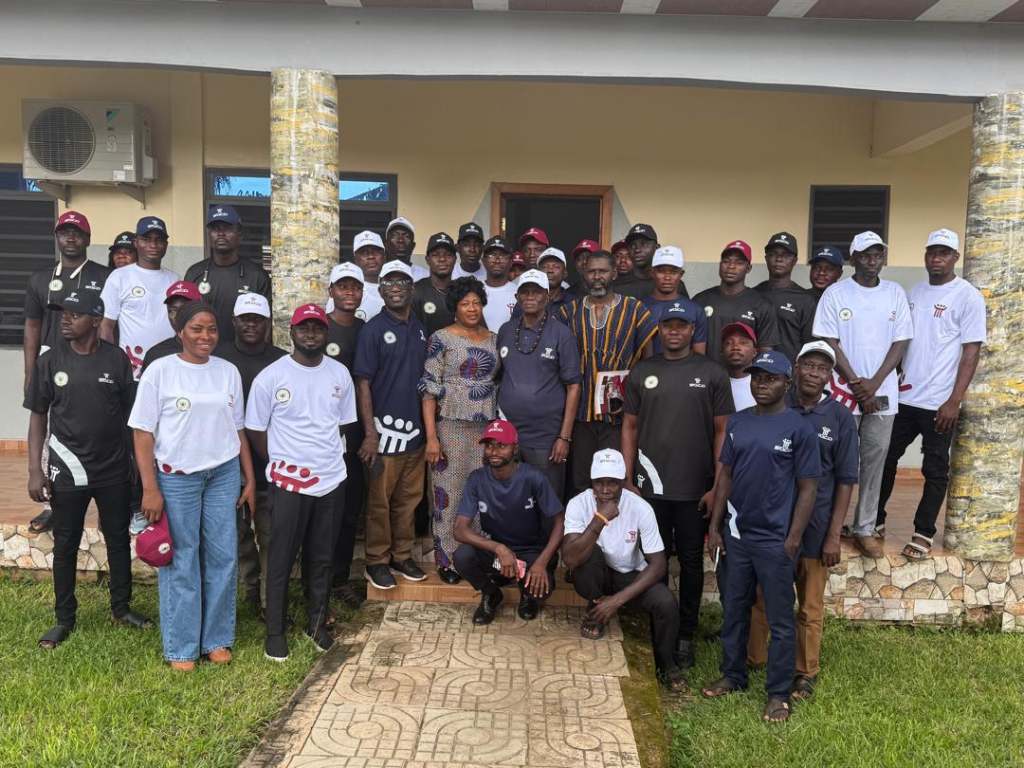
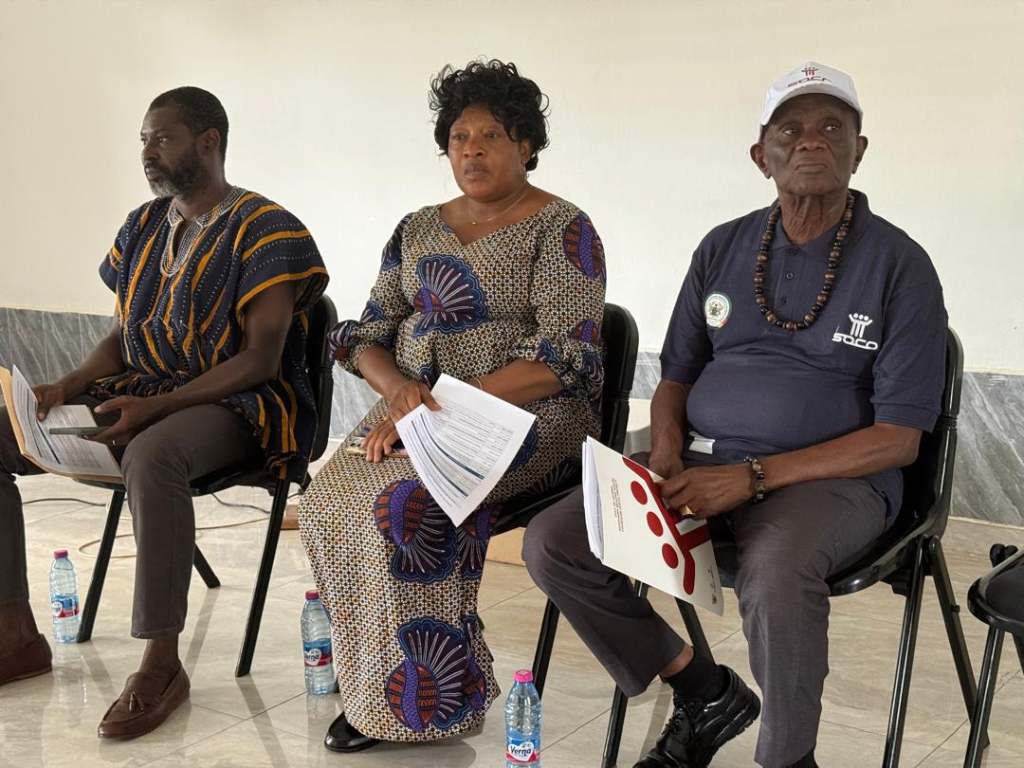
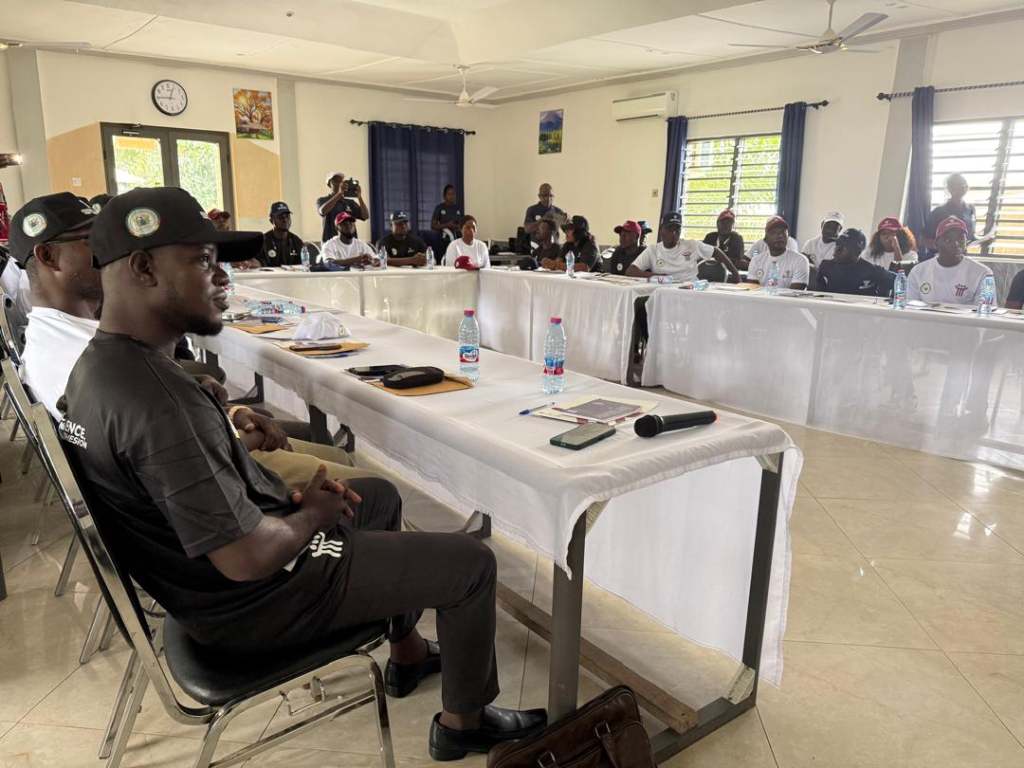
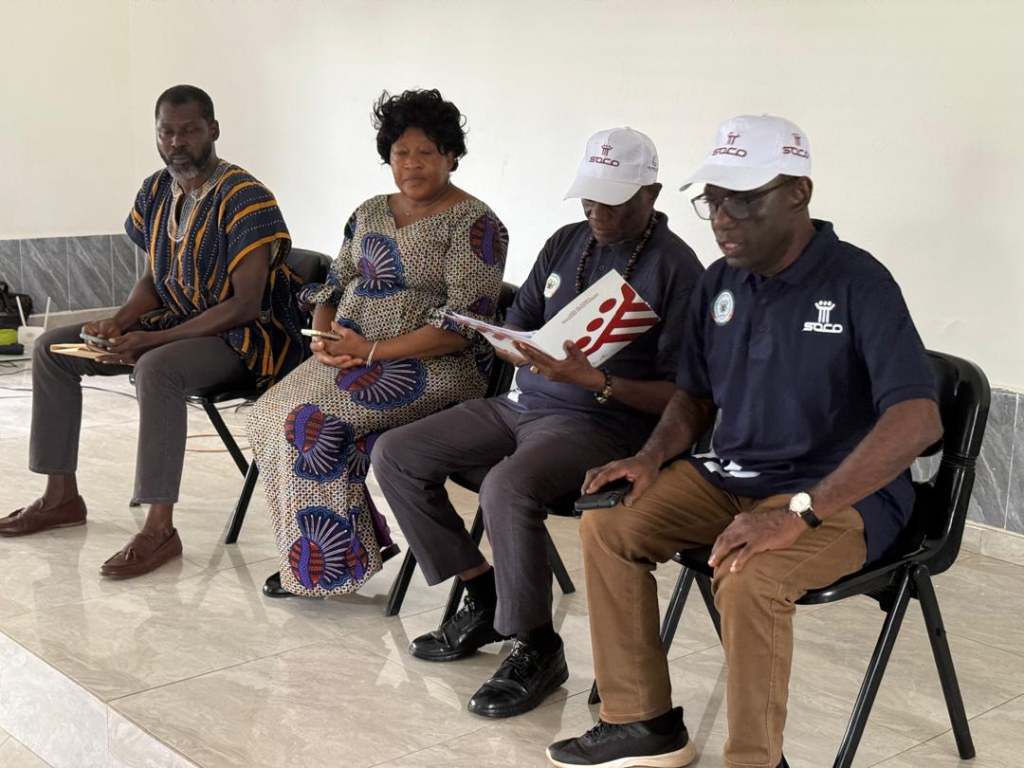
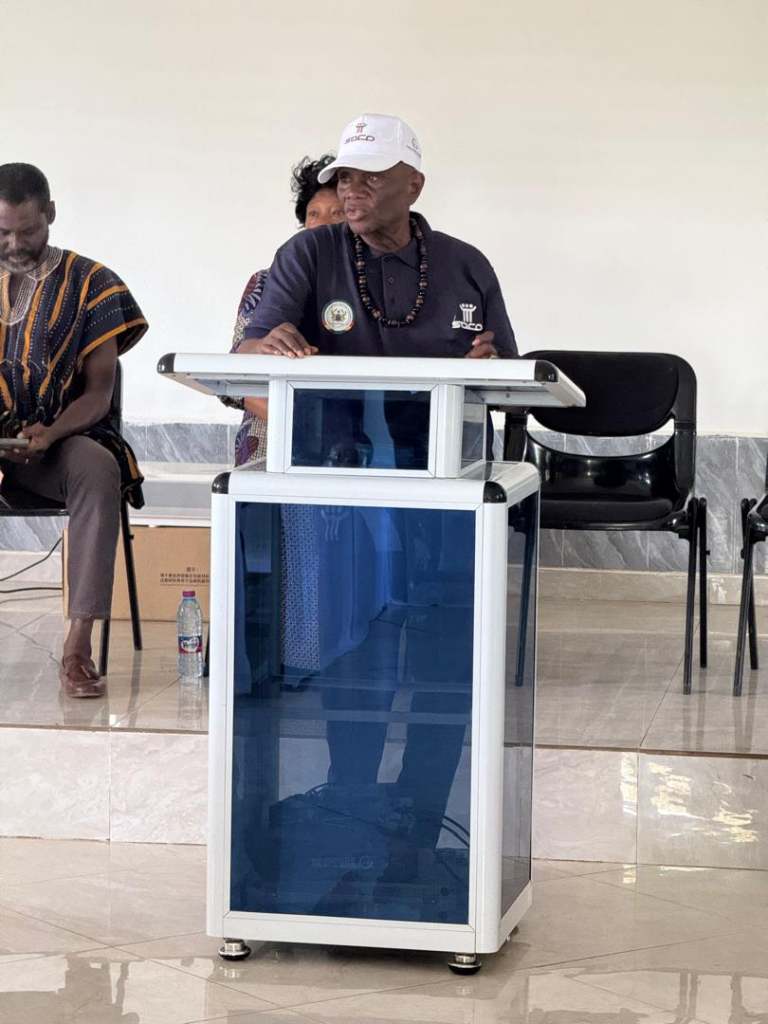
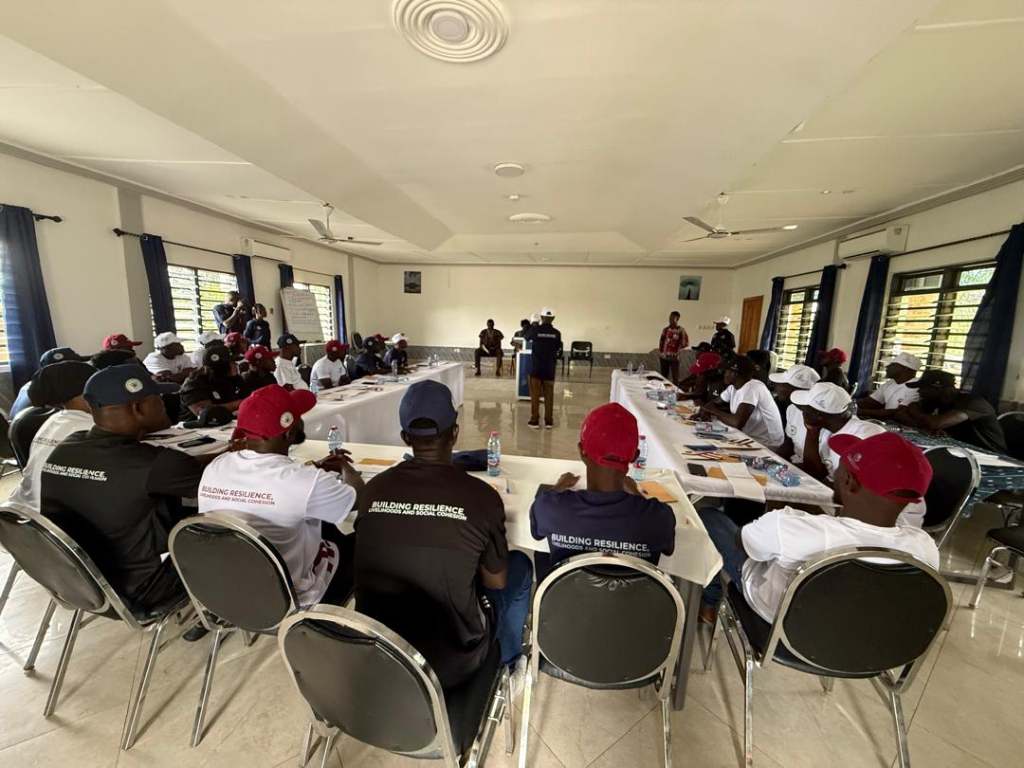
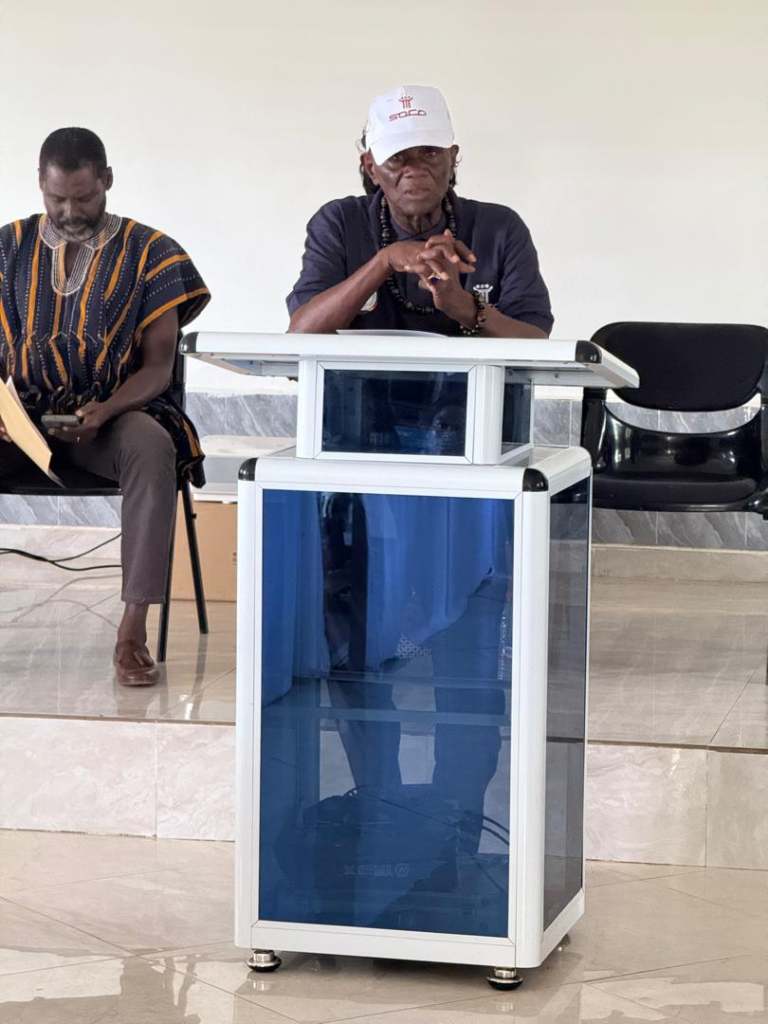
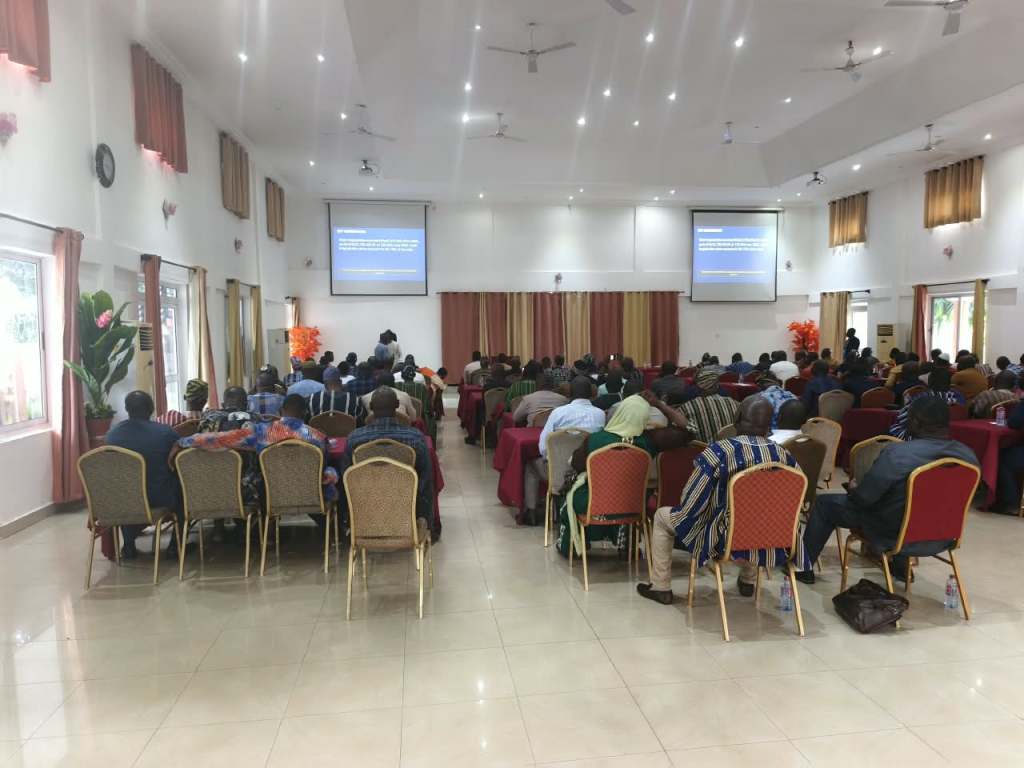
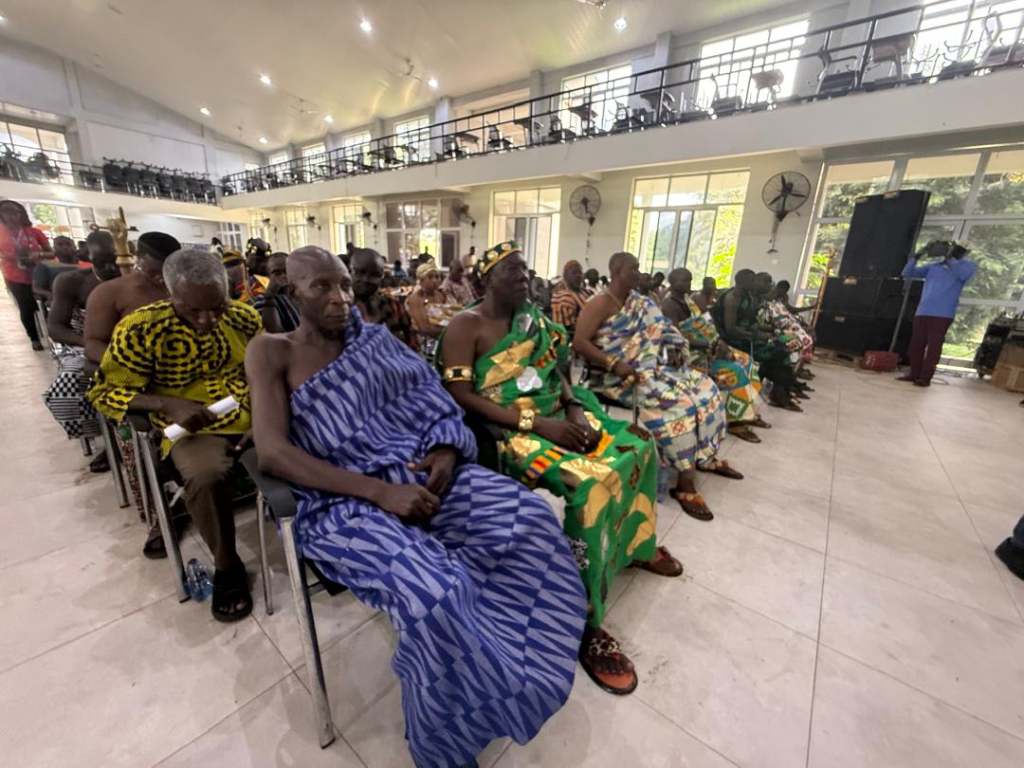
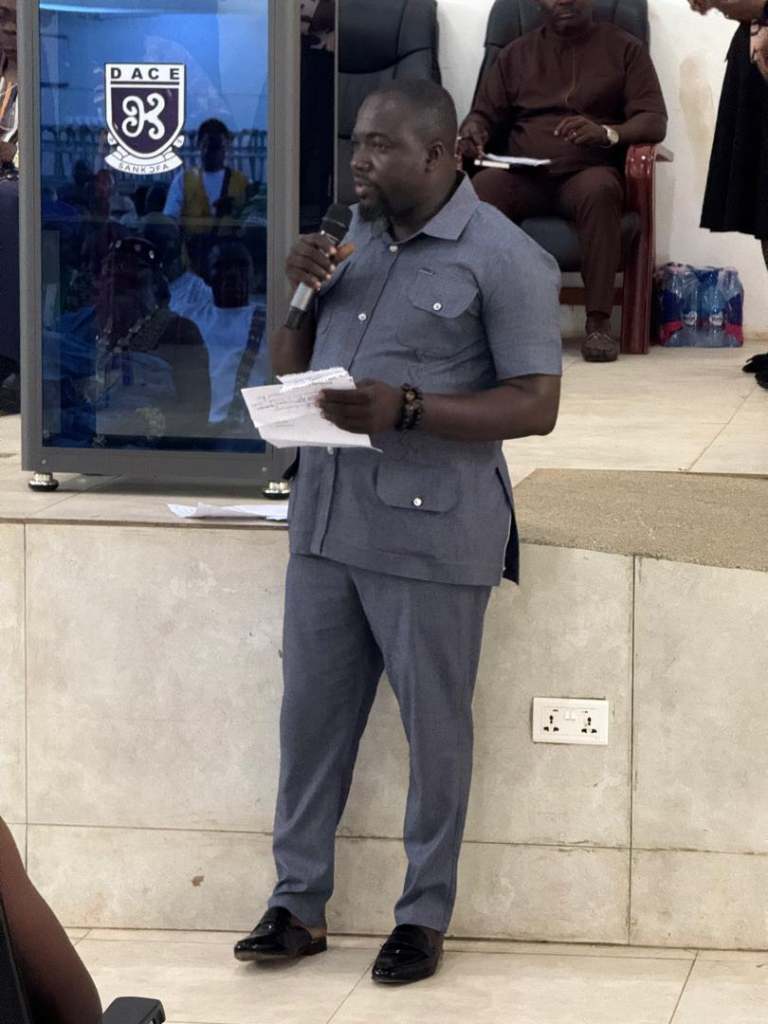
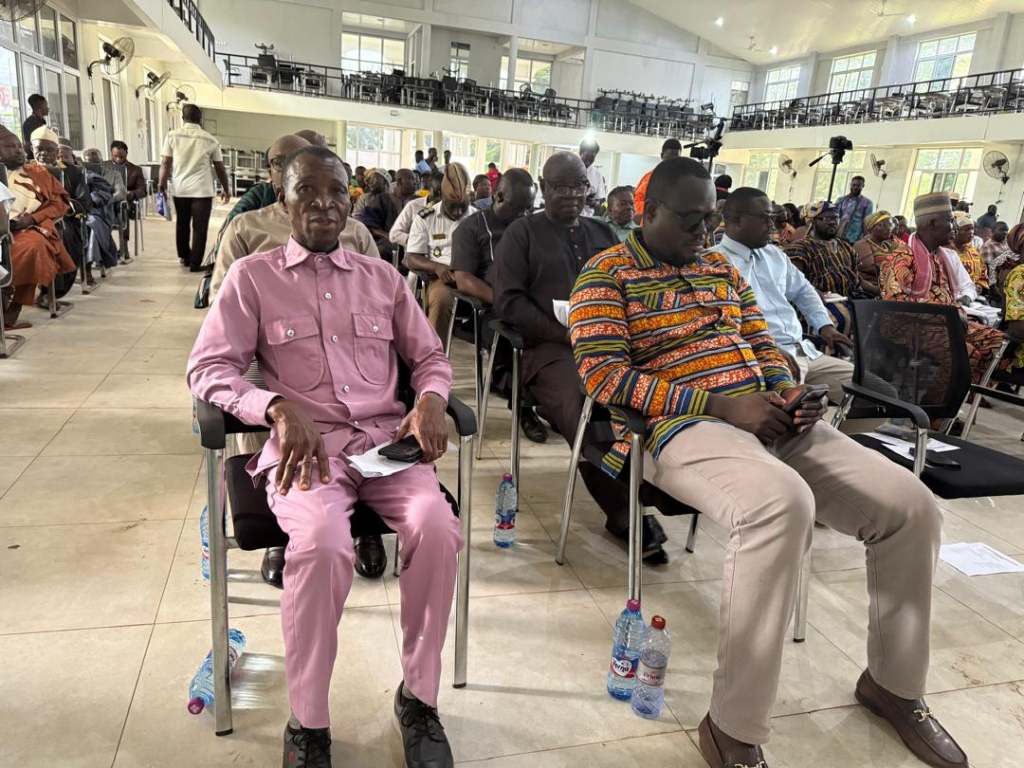
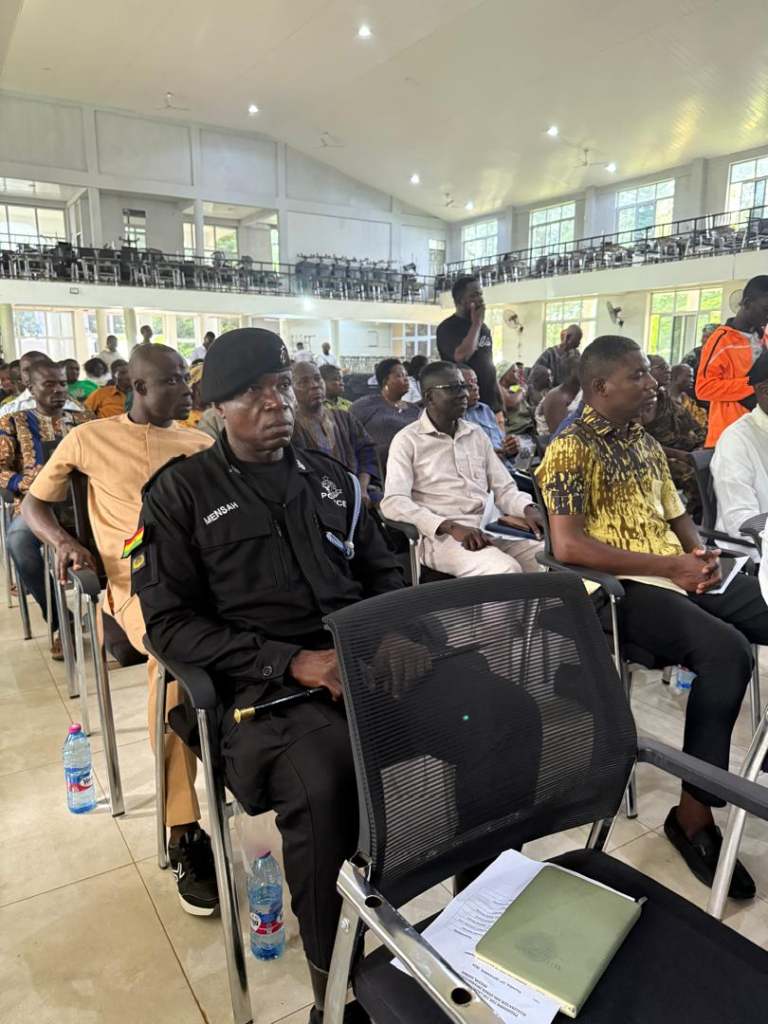
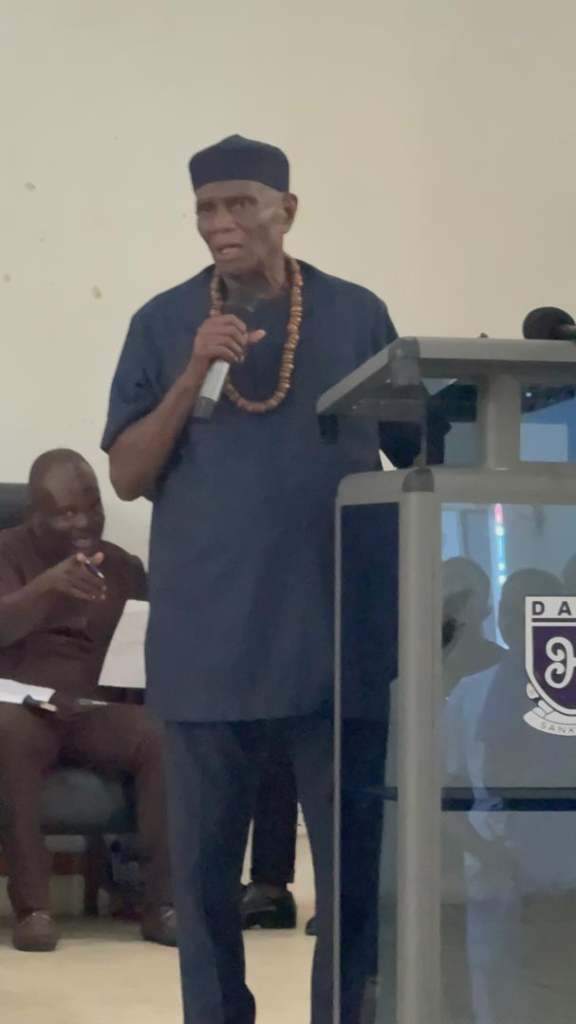
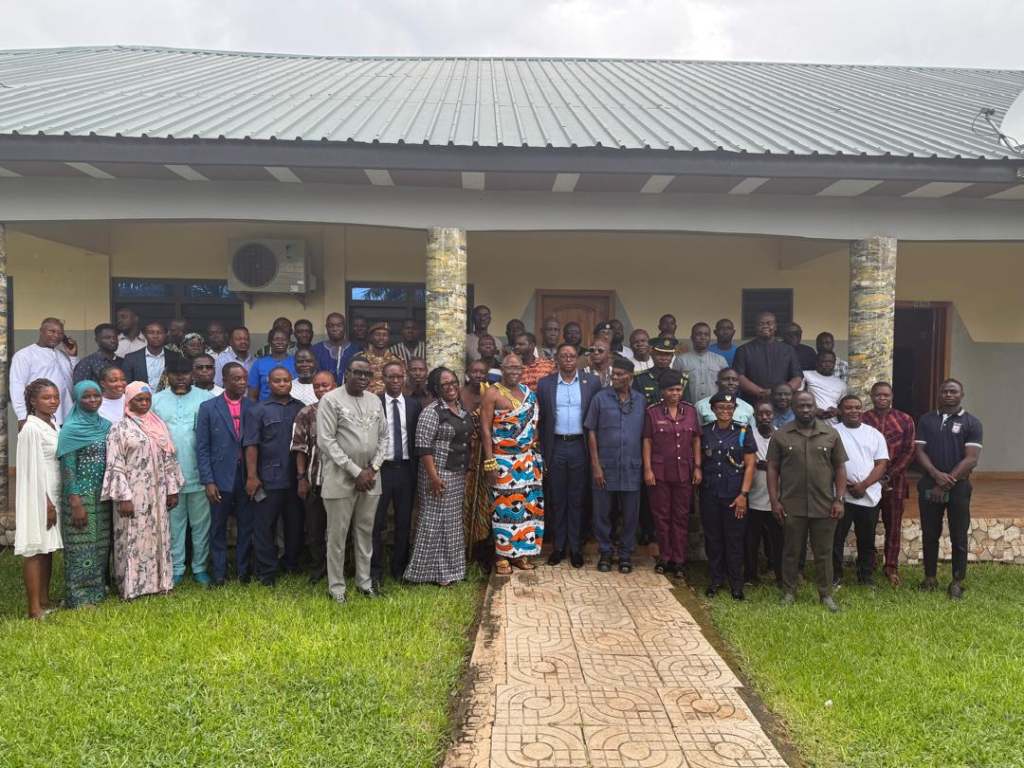
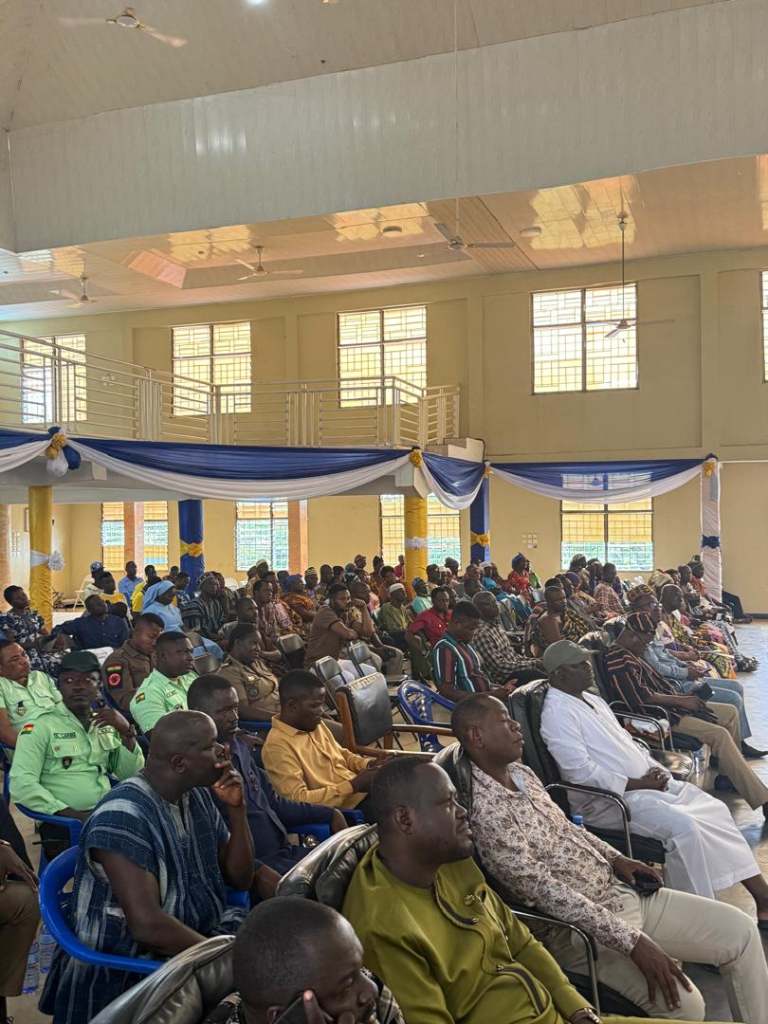
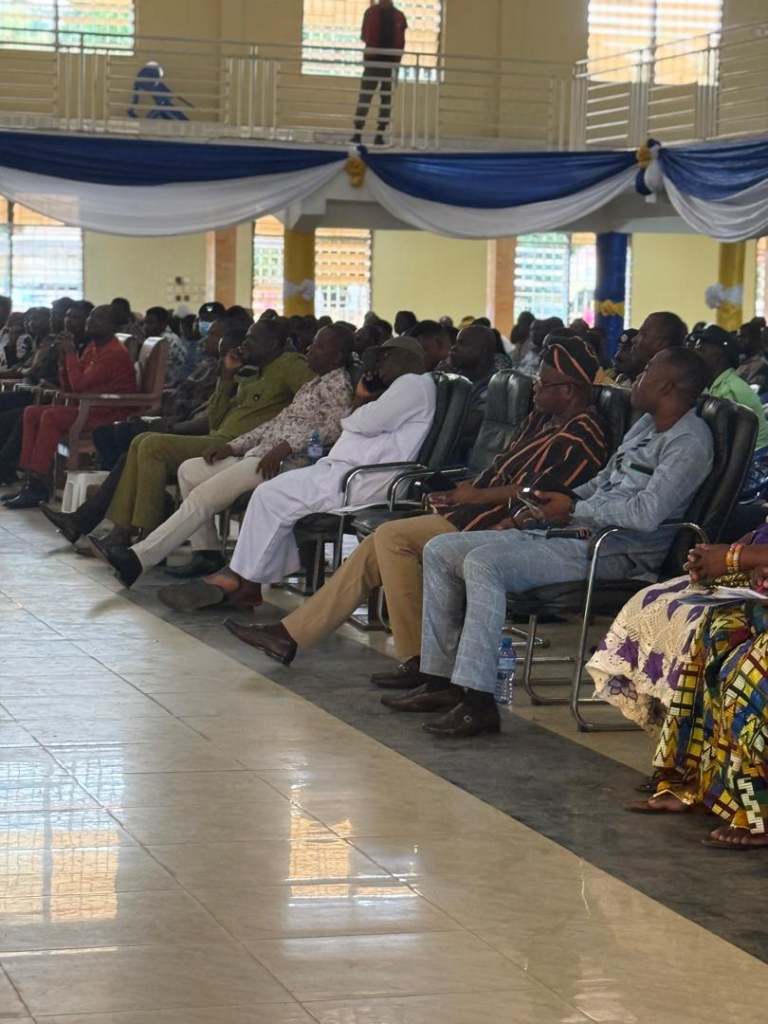
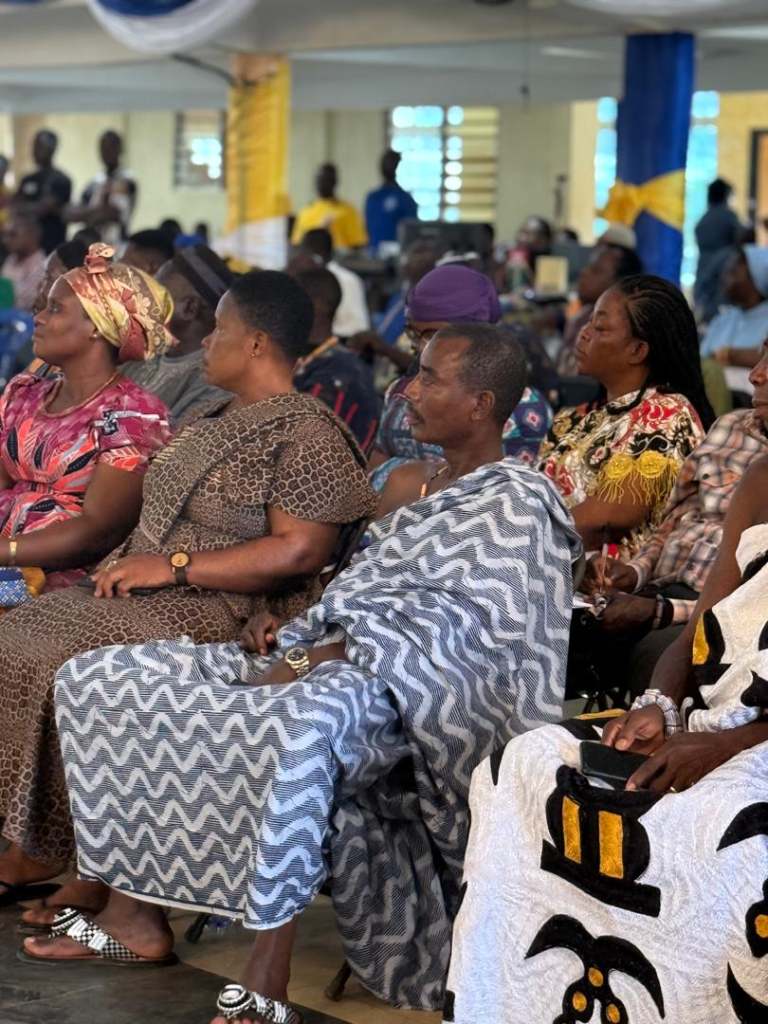
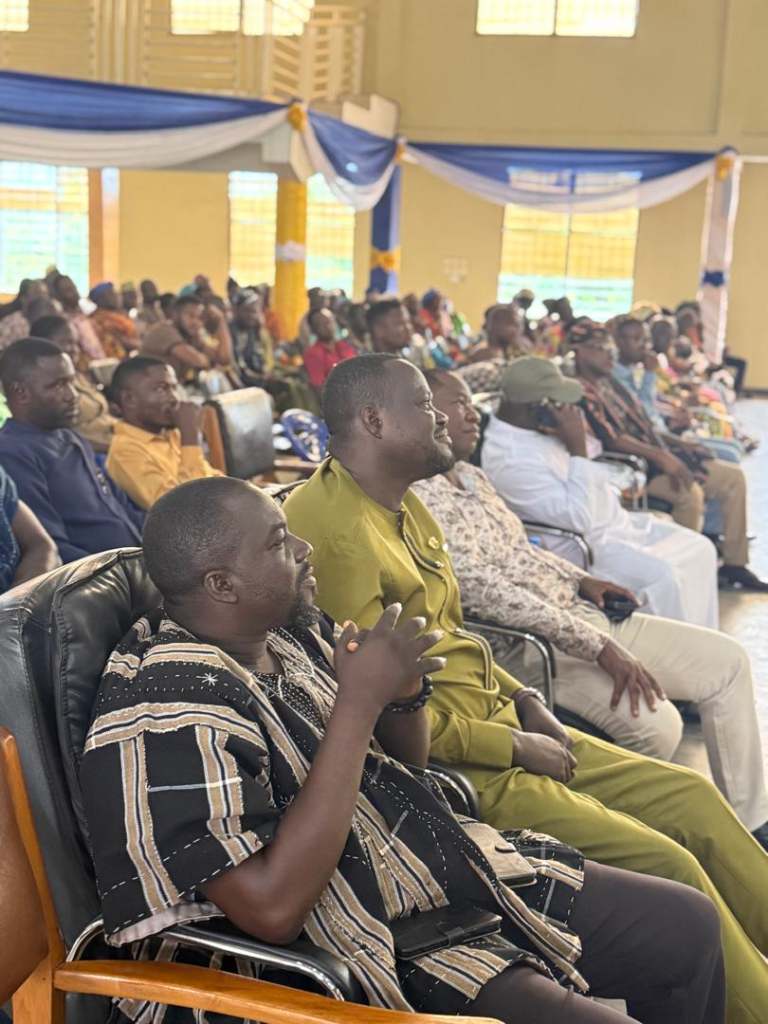
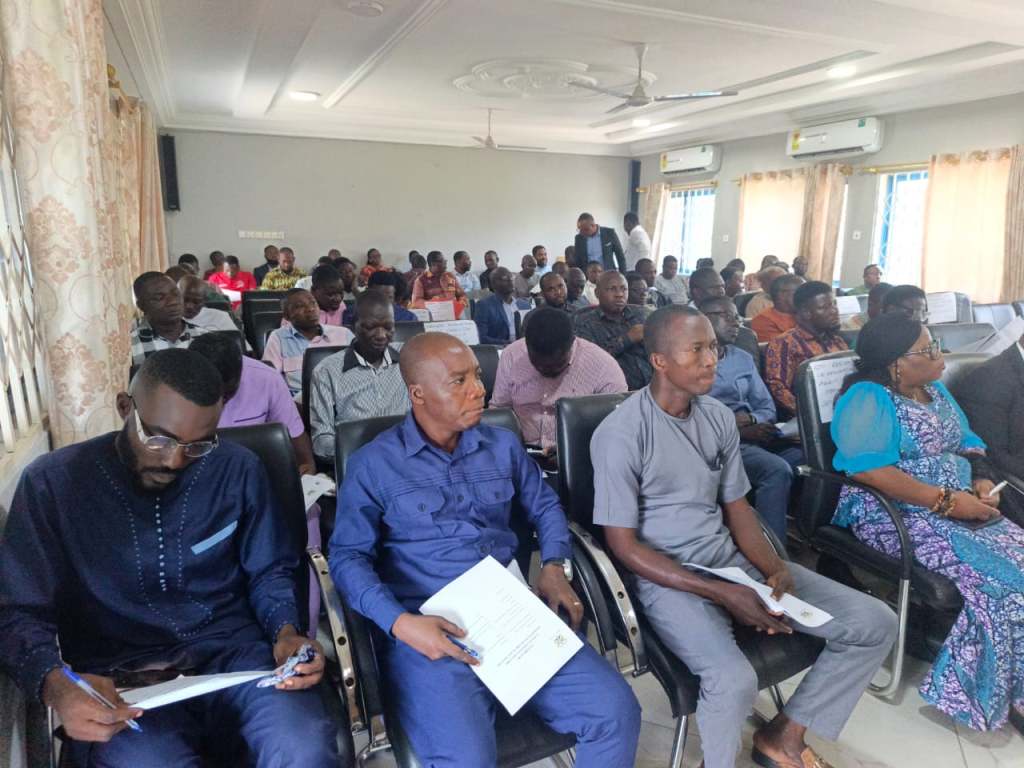
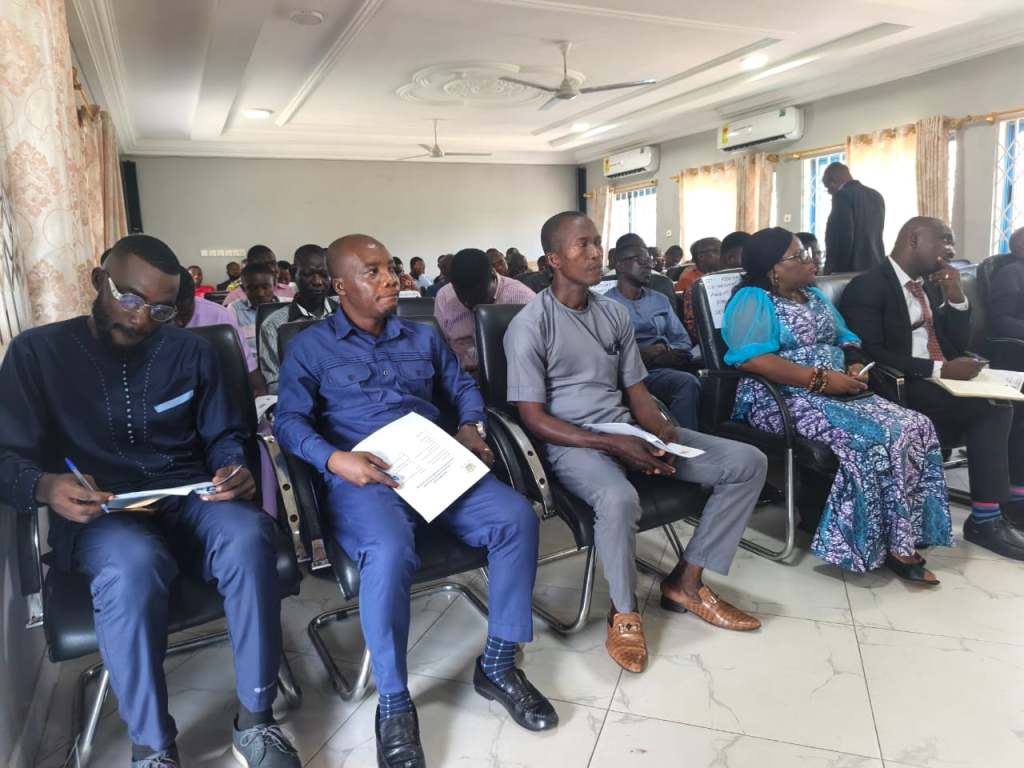
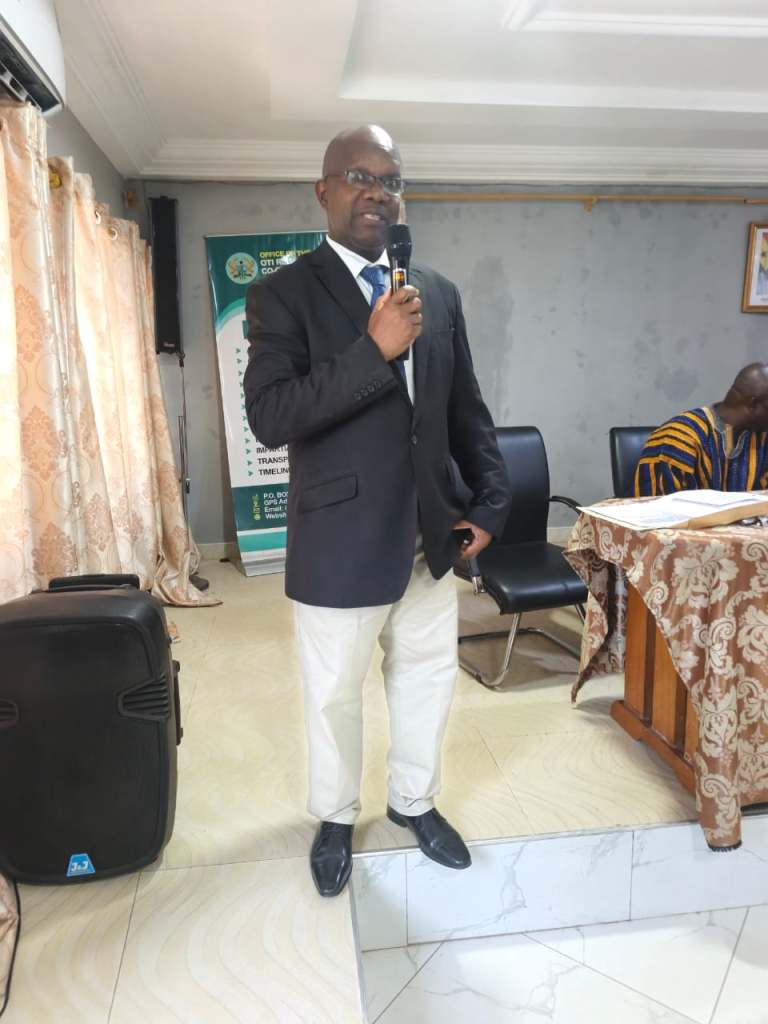
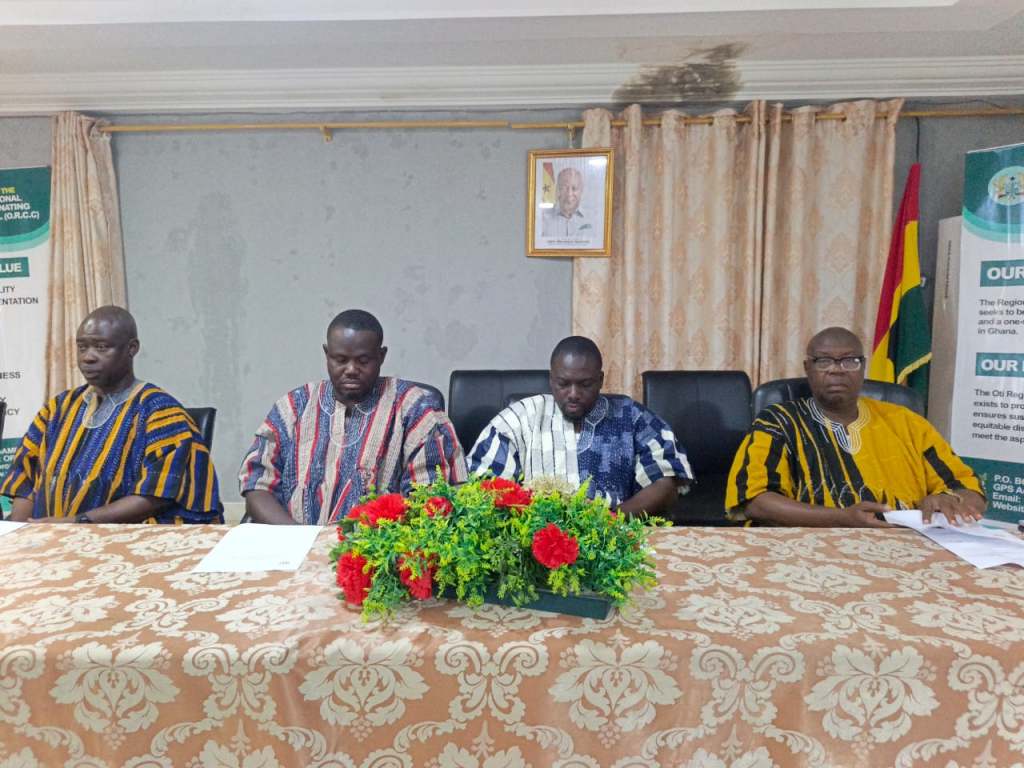
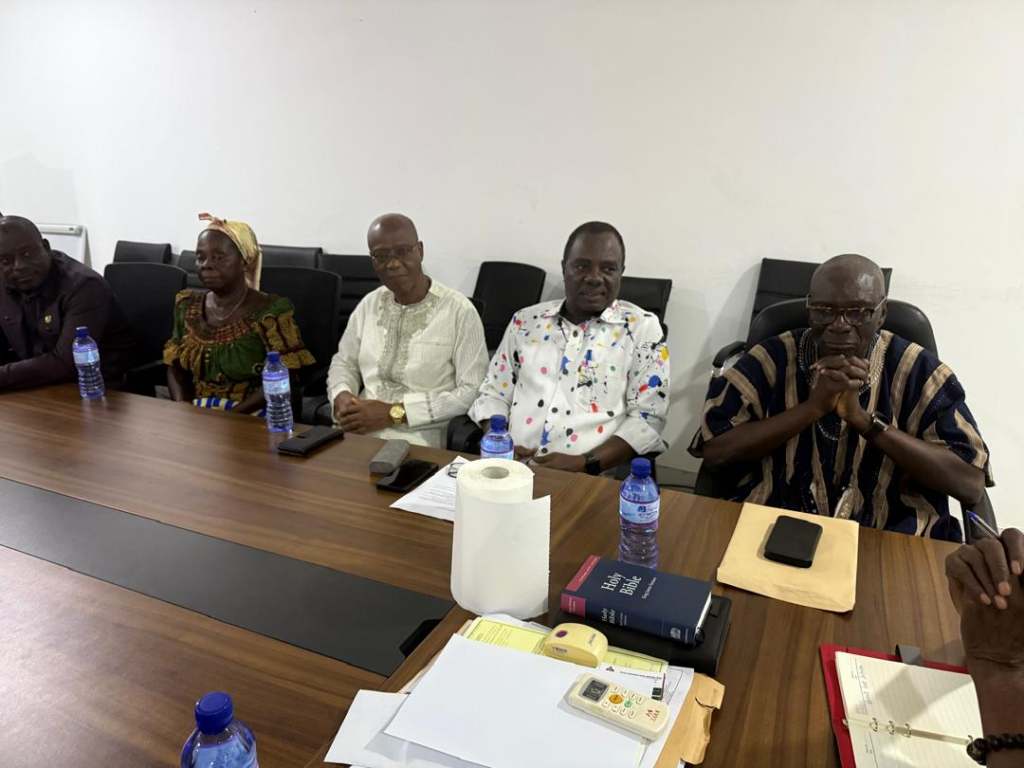
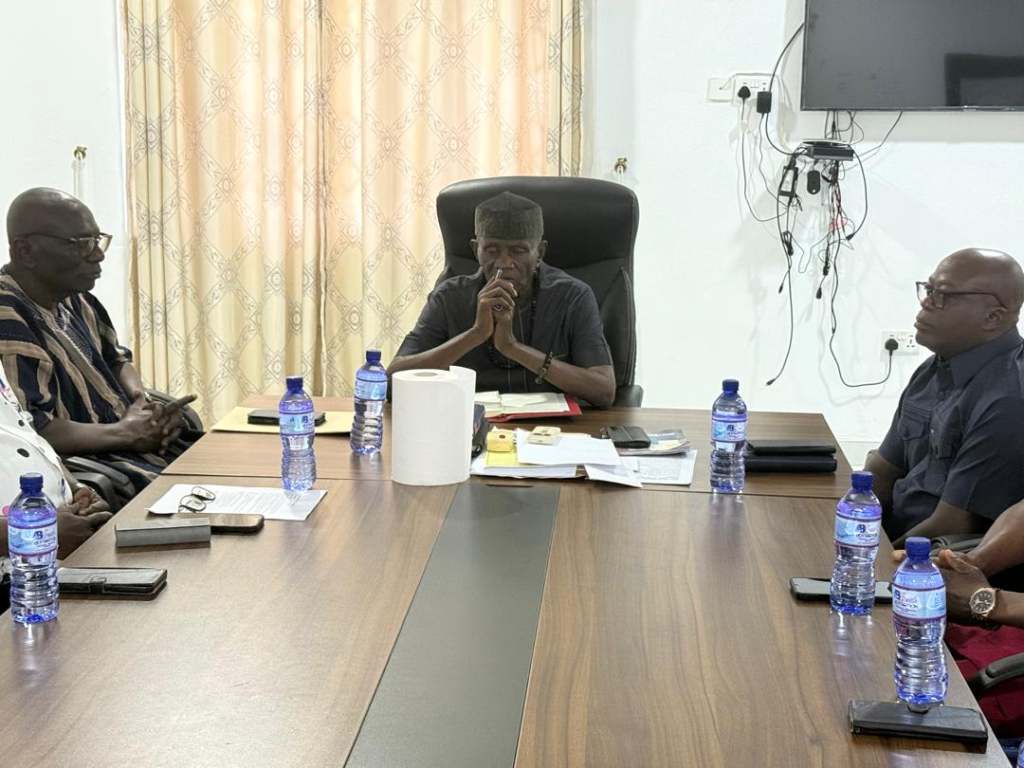
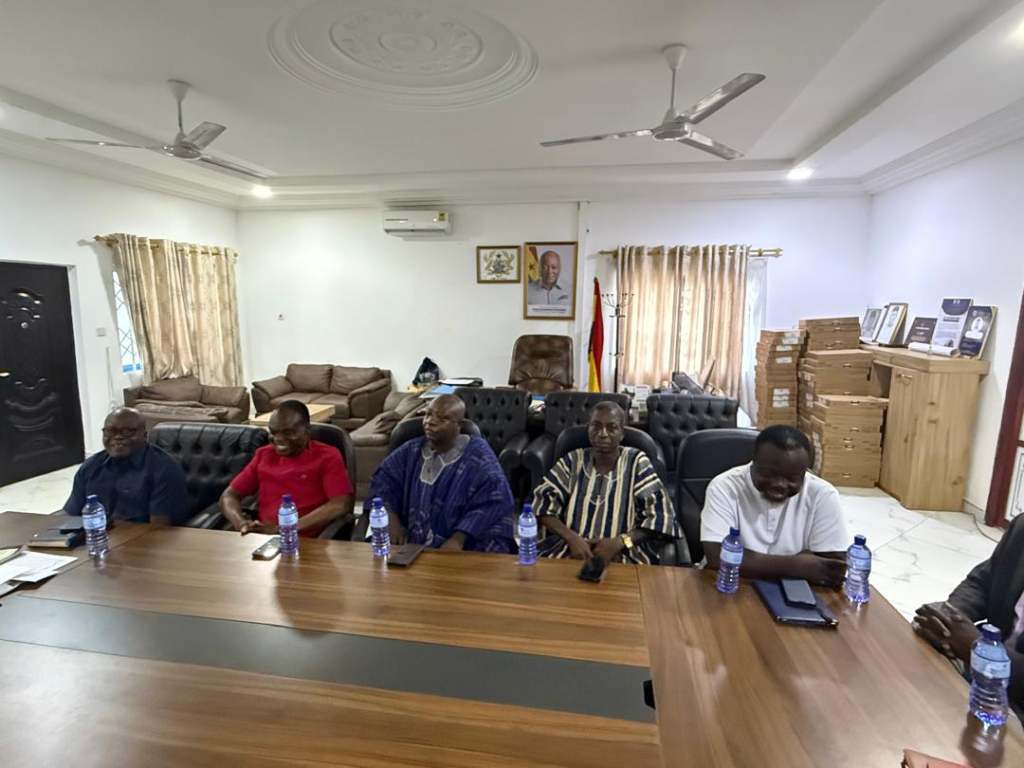
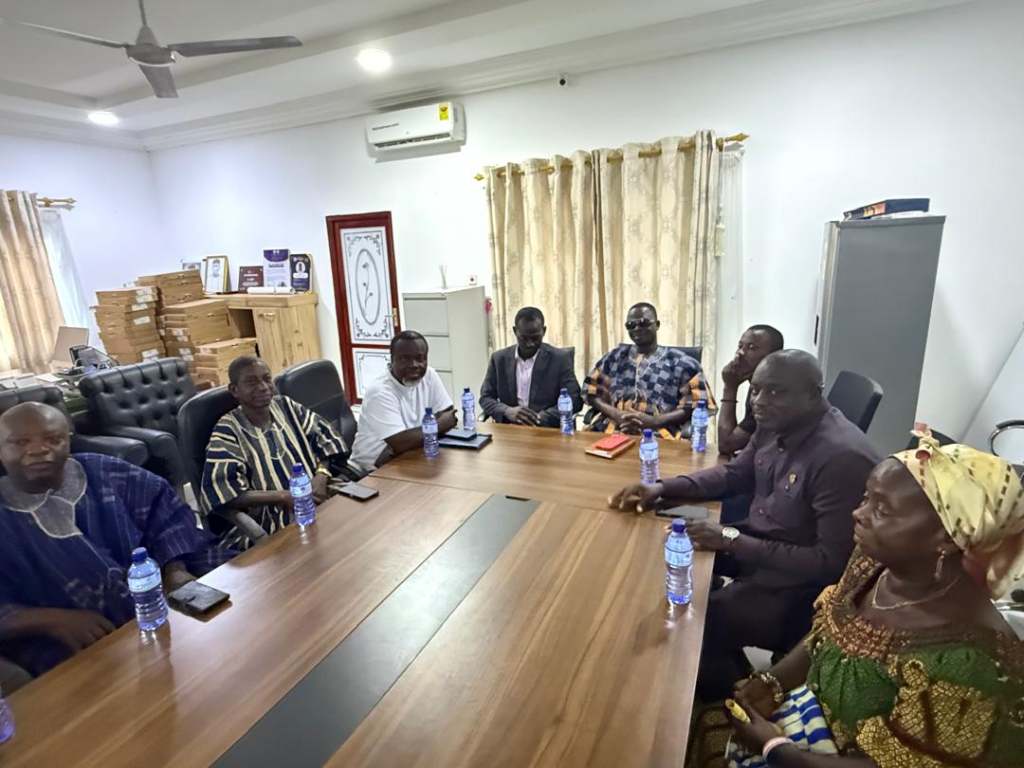
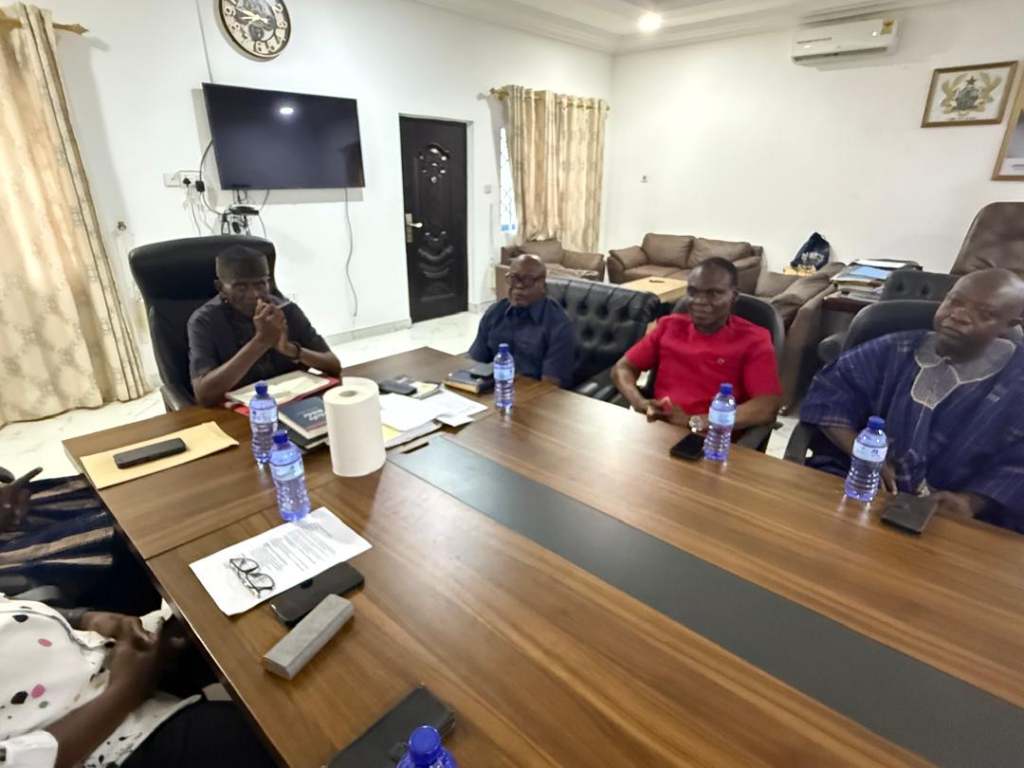
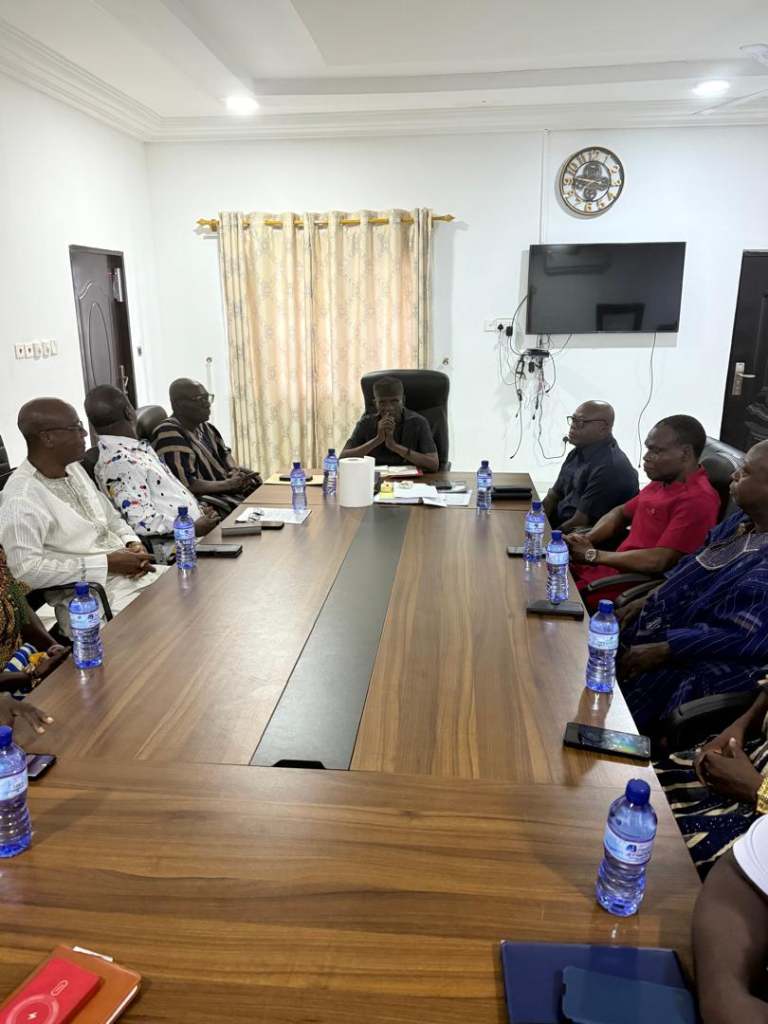
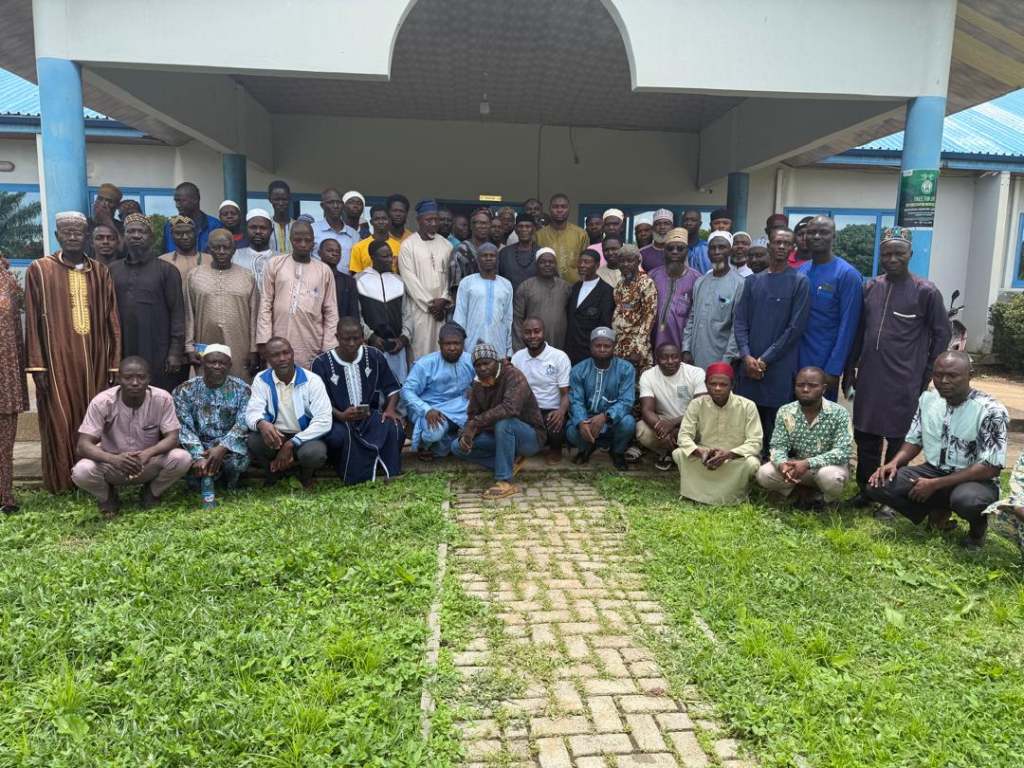
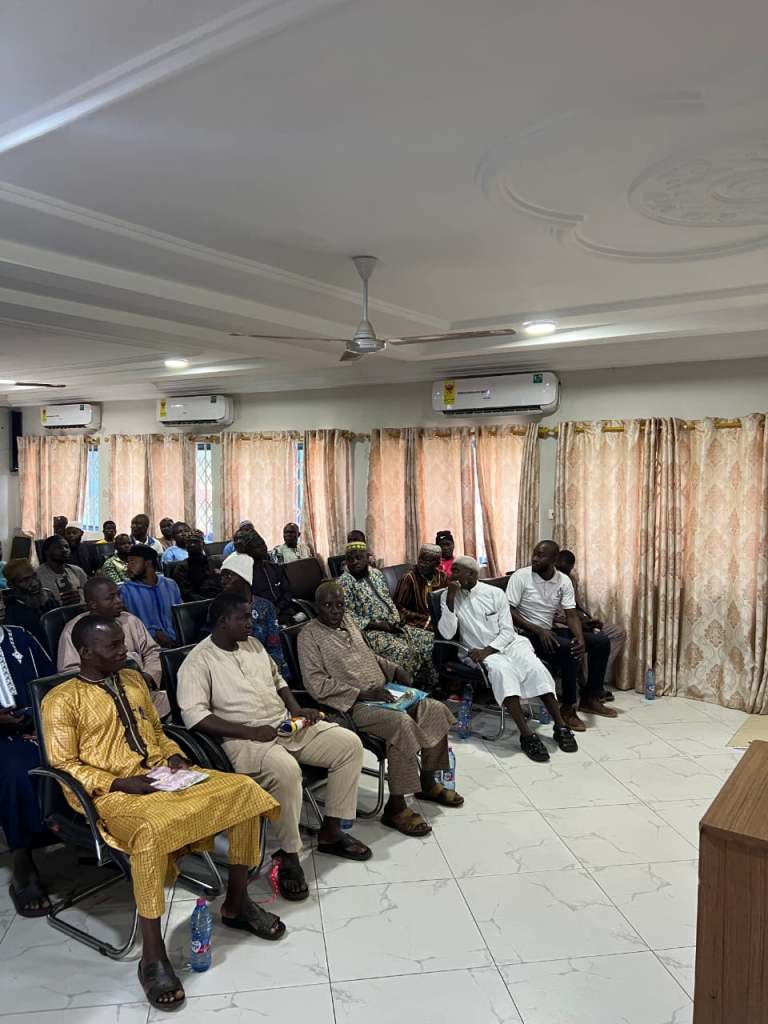
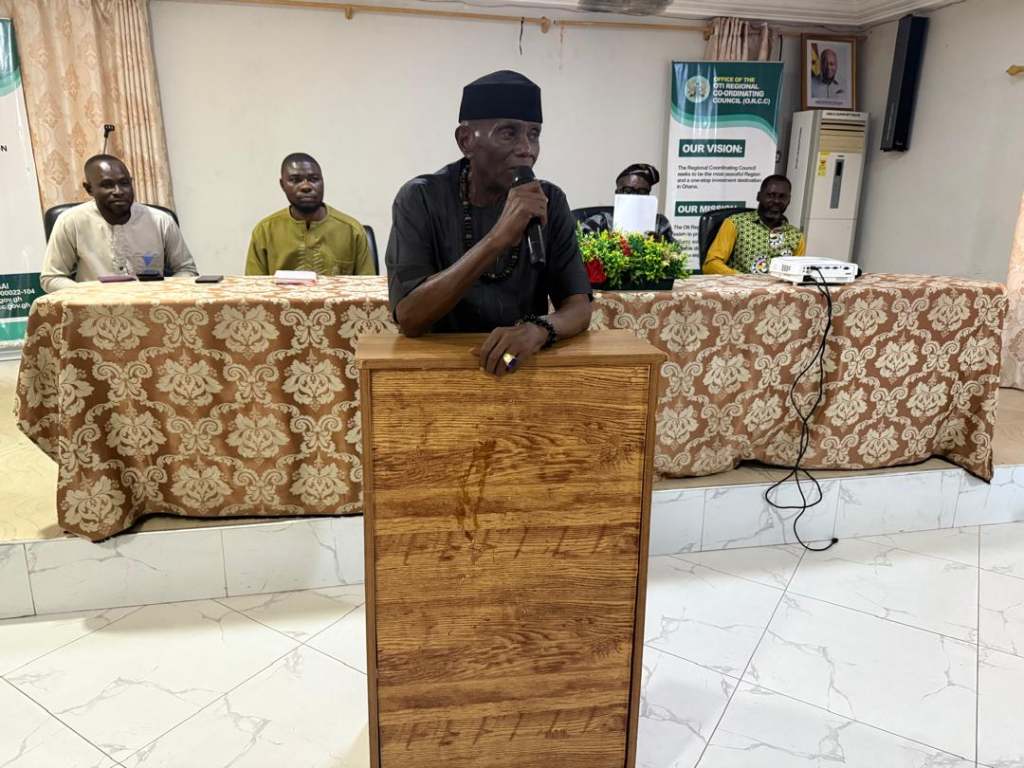
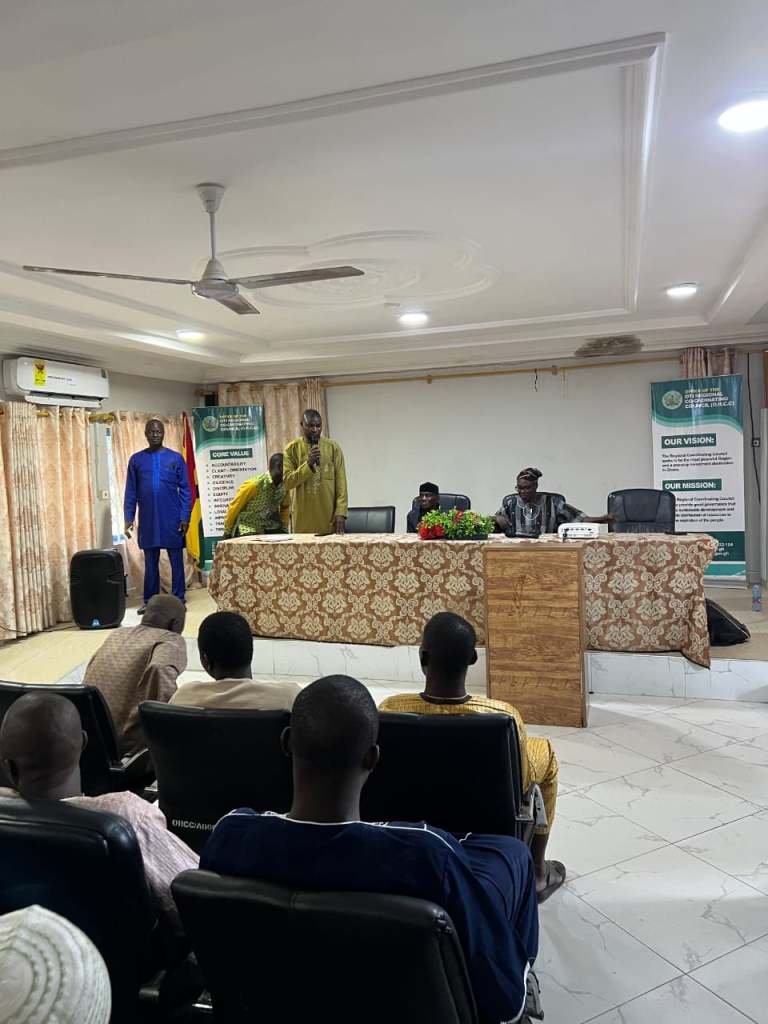
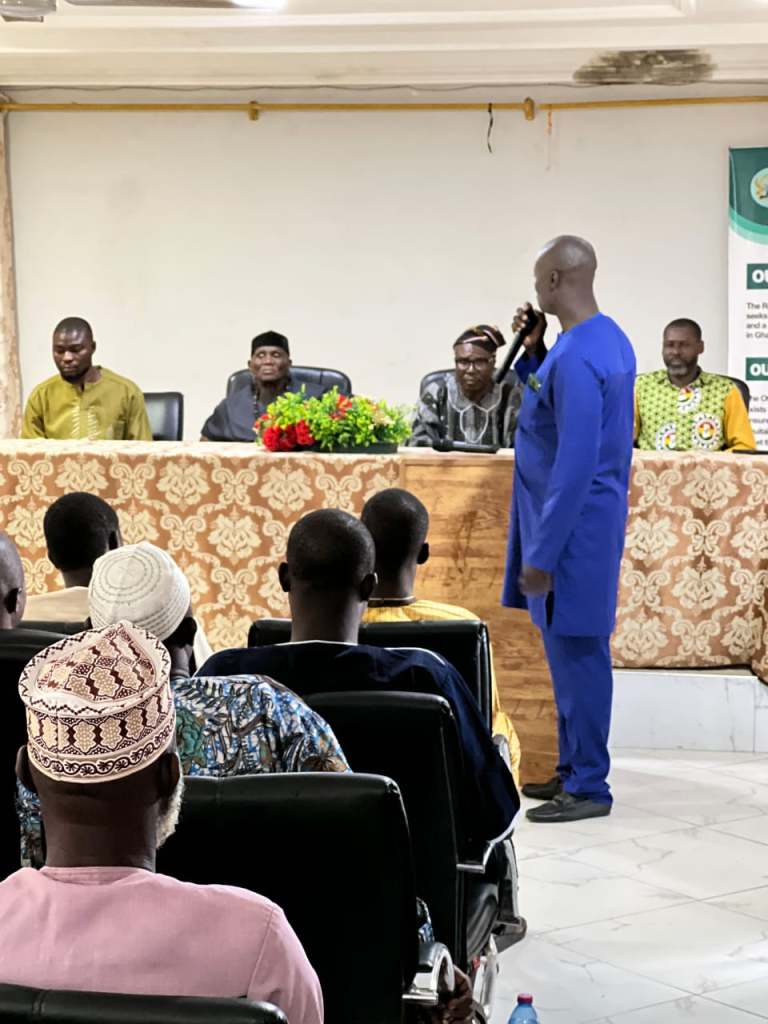
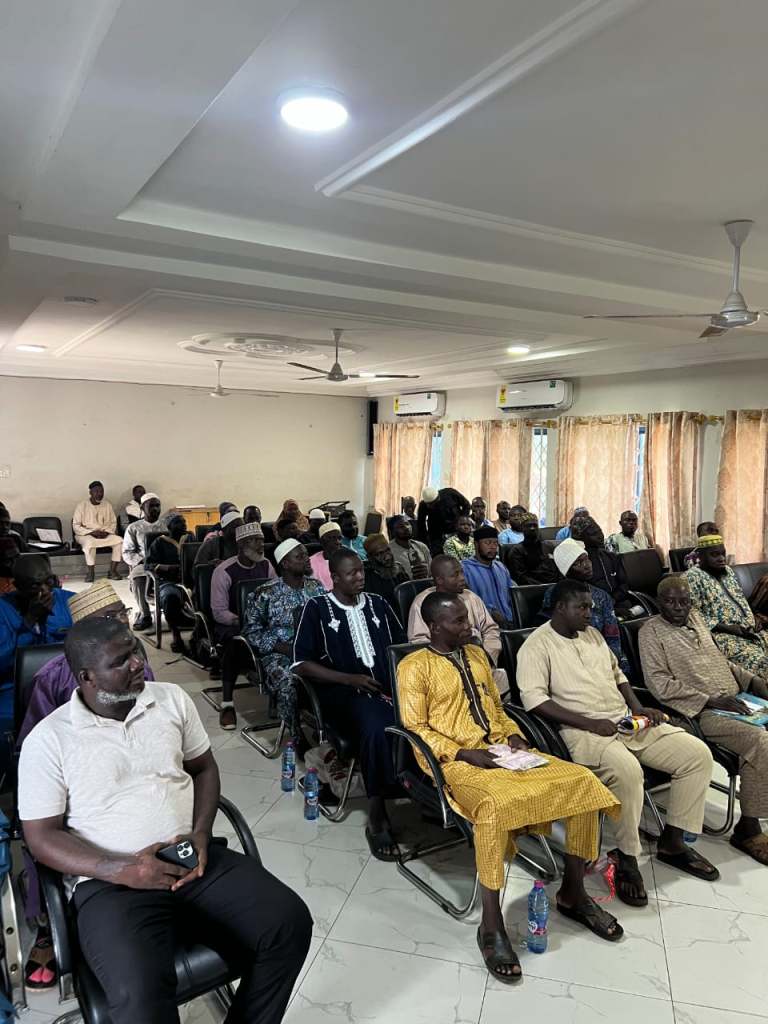
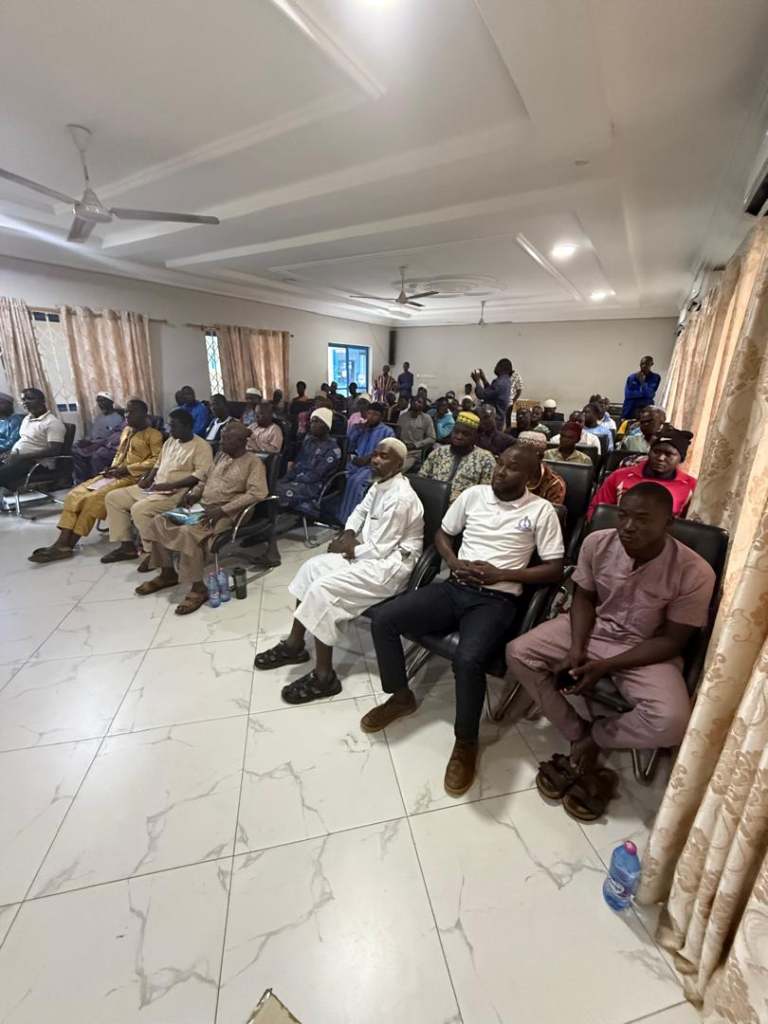
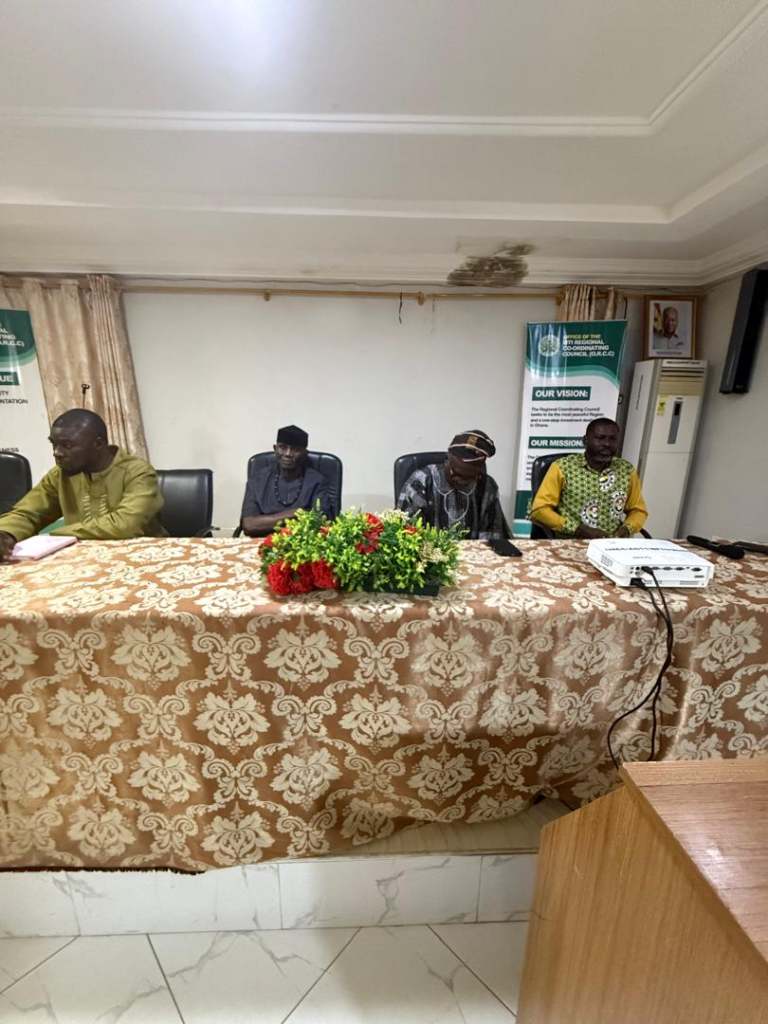
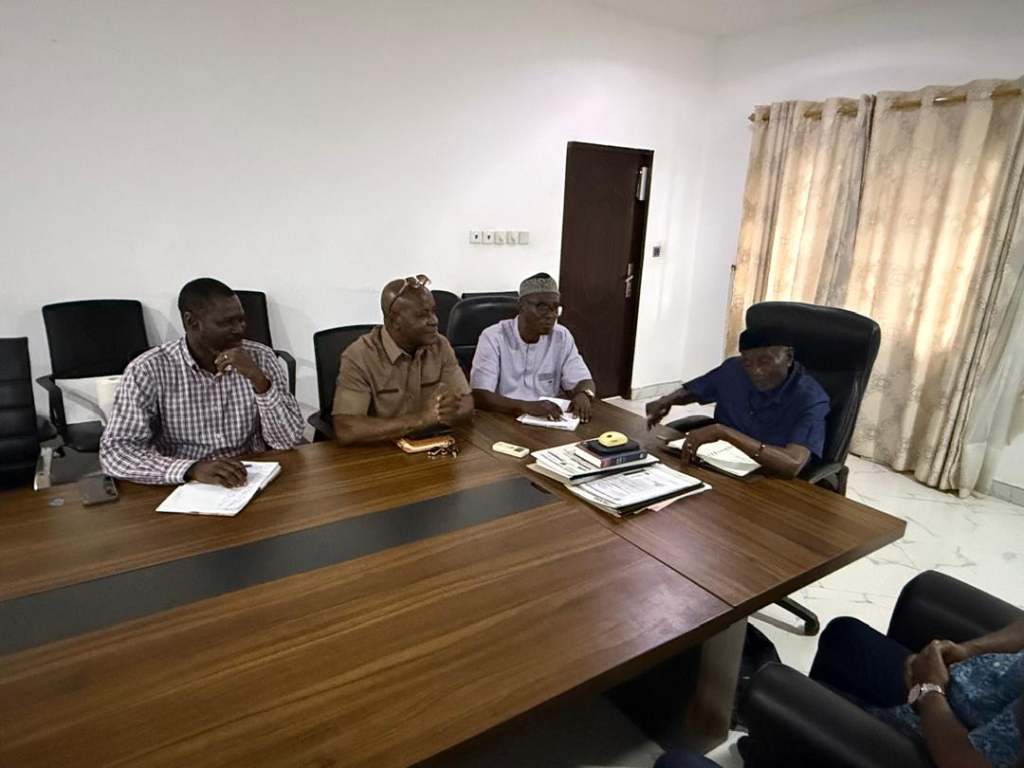
The SOCO Project has commenced training for newly recruited Community Facilitators, equipping them with the knowledge and skills required to support project implementation across beneficiary communities.
Welcoming participants to the training, project leadership congratulated the Community Facilitators on their selection and emphasized the vital role they will play in advancing community development efforts. As frontline representatives of the project, facilitators will work closely with traditional authorities, women, youth, persons with disabilities, and other community stakeholders to promote participation, share information, and support the successful delivery of project interventions.
A key feature of the SOCO Project is its Community-Driven Development approach, which places communities at the center of decision-making. Through this approach, community members are actively involved in identifying needs, setting priorities, and participating in the implementation and monitoring of development interventions. This inclusive process fosters ownership, strengthens accountability, and enhances the long-term sustainability of project investments.
Community Facilitators were encouraged to carry out their responsibilities with professionalism, patience, respect, and integrity. They were reminded of the importance of ensuring that all groups, particularly women, young people, and vulnerable persons, have the opportunity to participate meaningfully in community development processes. Facilitators were also urged to communicate accurately and seek guidance from project or Assembly officials whenever clarification is needed.
Beyond supporting community development, the engagement of Community Facilitators creates valuable employment and income-generating opportunities within project beneficiary areas. The initiative not only provides participants with a source of livelihood but also offers practical experience in community engagement, local development, communication, and the use of digital tools.
Participants were encouraged to maximize the benefits of this opportunity by investing in skills development, productive ventures, and other activities that can improve their long-term economic well-being. The project aims to ensure that the benefits of participation extend beyond project implementation to positively impact the lives and livelihoods of facilitators and their households.
The Government and the World Bank continue to invest significant resources in infrastructure, livelihoods, and community development interventions through the SOCO Project. The success and sustainability of these investments depend largely on effective community participation and local ownership.
In closing, Community Facilitators were encouraged to approach their assignments with dedication, fairness, and a strong sense of responsibility. By fostering inclusive participation and building community trust, they will play a critical role in ensuring that project investments deliver lasting benefits for communities for years to come.
The SOCO Project wished all participants a successful training programme and every success in their role as partners in driving sustainable community development.
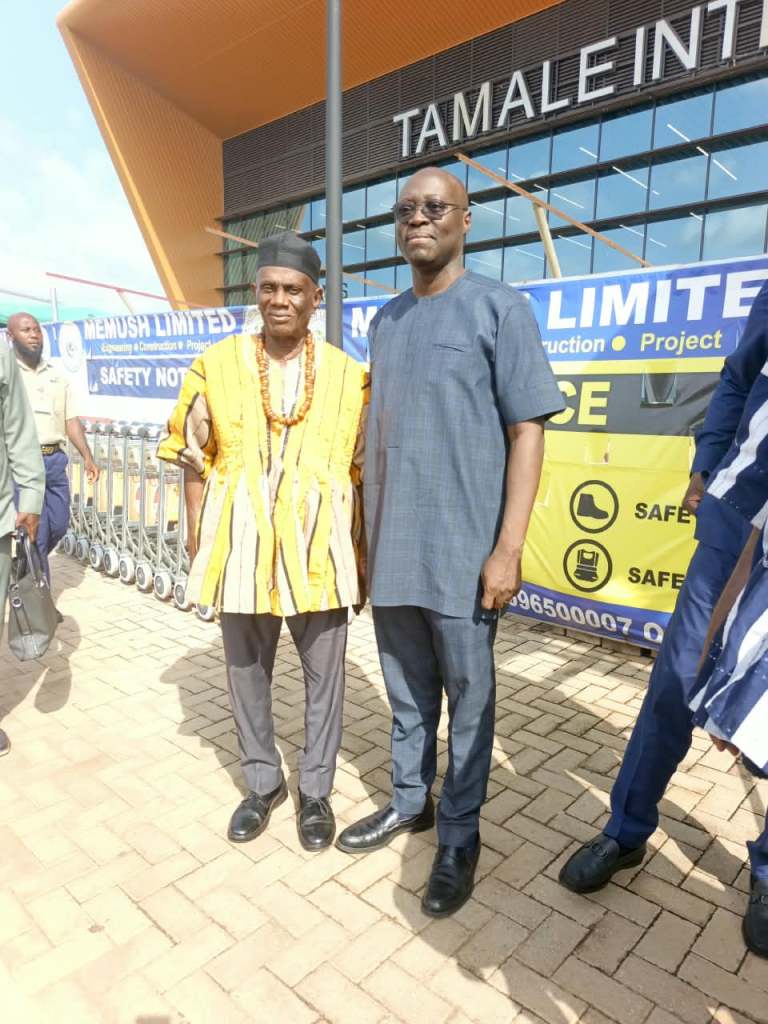
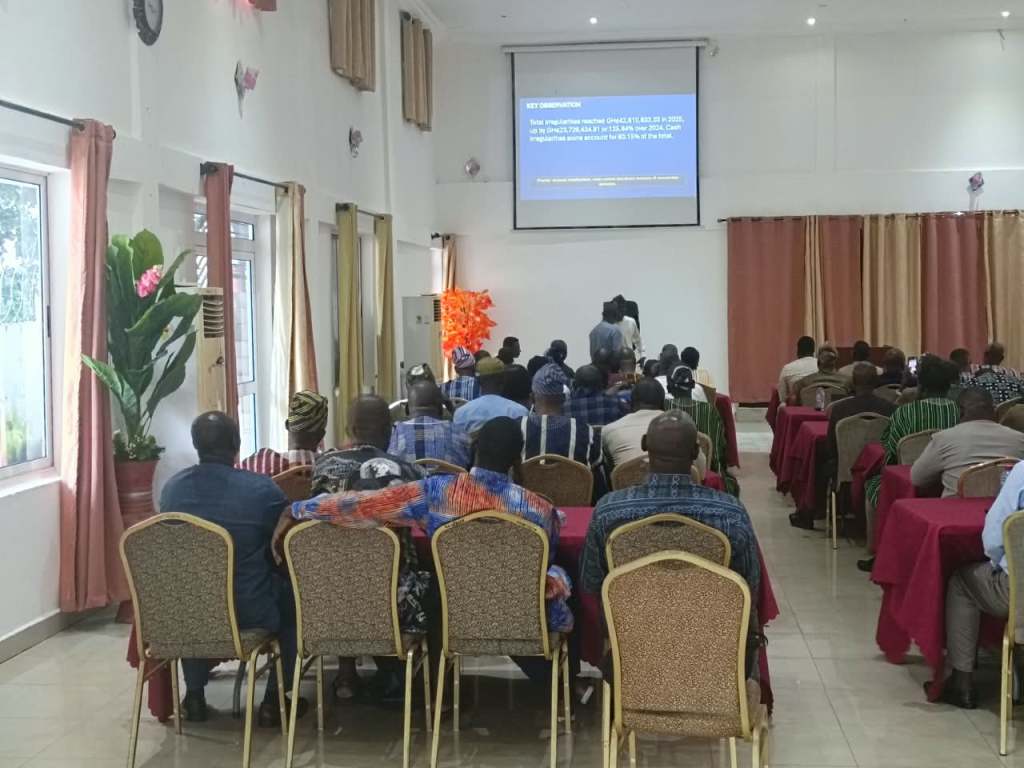
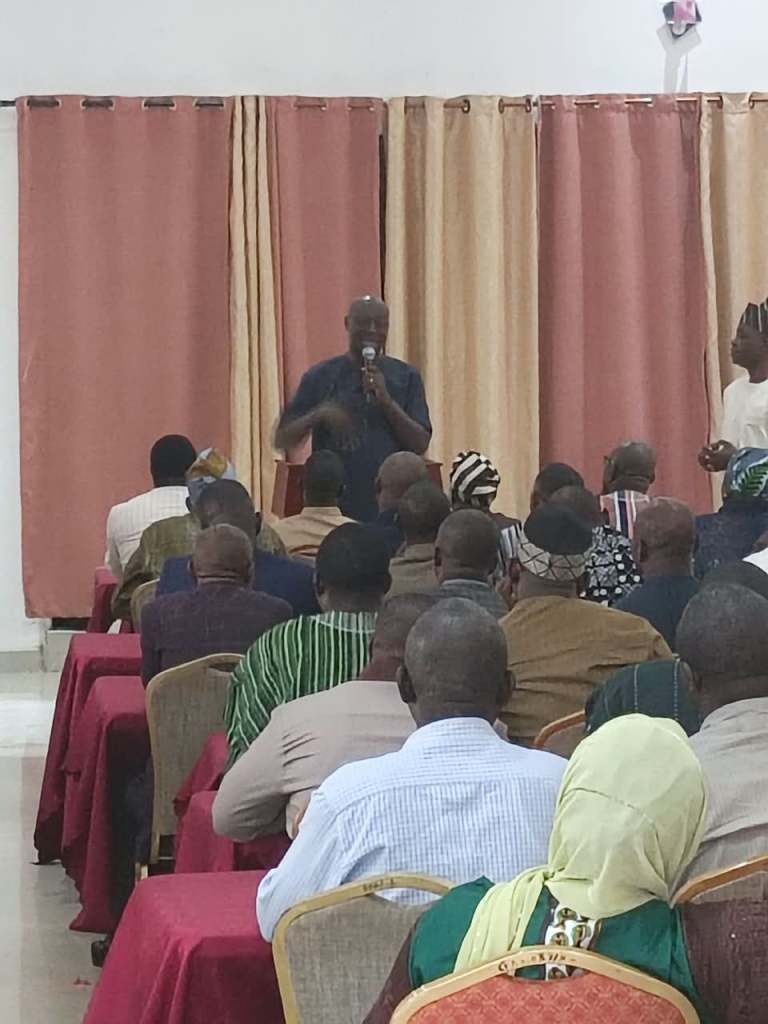
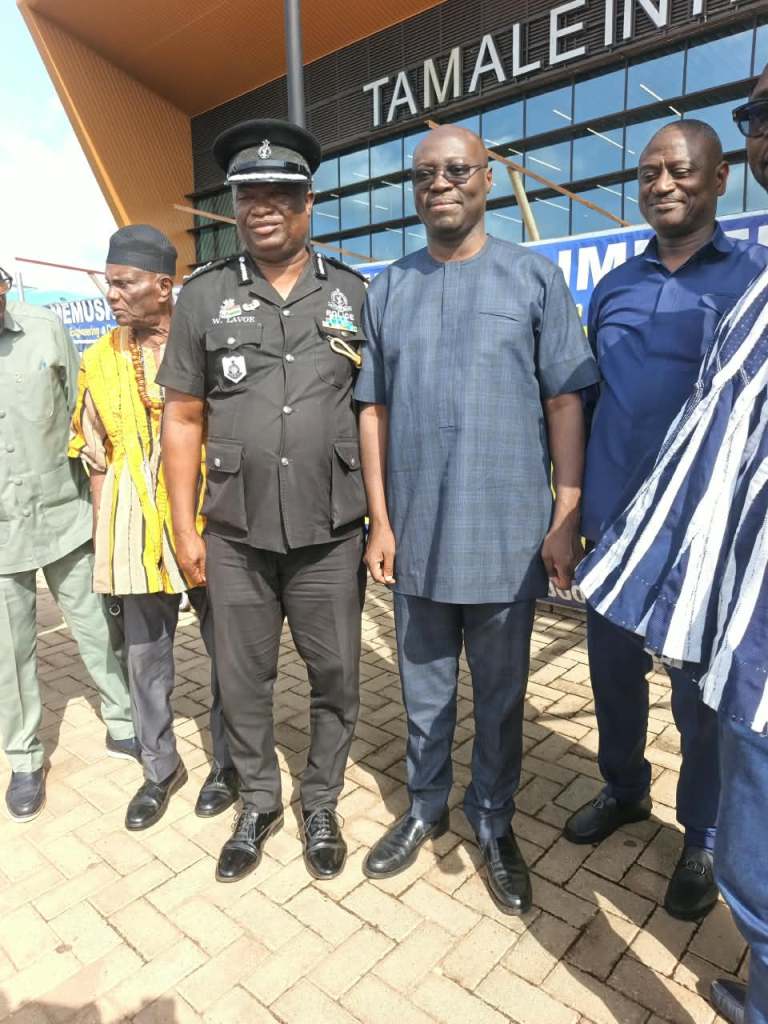
This morning, The Oti Regional Minister, Hon. John Kwadwo Gyapong joined other Regional Ministers, Metropolitan, Municipal and District Chief Executives (MMDCEs), and Coordinating Directors at an important engagement session focused on the findings and recommendations contained in the 2025 Auditor-General’s Reports on Metropolitan, Municipal and District Assemblies (MMDAs) and other covered entities at Tamale.
The engagement forms part of Government’s ongoing commitment to strengthening accountability, promoting transparency, enhancing public financial management, and reducing audit infractions across all levels of governance.
The workshop, spearheaded by the Hon. Minister for Finance in collaboration with Regional Ministers and other key stakeholders, provided a platform for critical discussions on measures required to improve compliance with financial and administrative regulations while strengthening internal control systems within public institutions.
Key areas of focus during the engagement included:
- Reviewing and discussing the major findings and observations contained in the 2025 Auditor-General’s Reports.
- Ensuring the timely implementation of audit recommendations to address identified weaknesses and prevent recurring infractions.
- Strengthening preventive and corrective internal control mechanisms ahead of the next audit cycle.
- Institutionalising a culture of accountability, transparency, and responsibility at the management level across all MMDAs and covered entities.
- Enhancing financial discipline and promoting prudent management of public resources.
- Building the capacity of local government officials to ensure compliance with established governance and financial management frameworks.
The discussions underscored the collective responsibility of public officials to safeguard state resources and uphold the highest standards of integrity in public service. Participants were encouraged to take proactive steps in addressing audit findings and implementing robust systems that will improve operational efficiency and strengthen public confidence in government institutions.
Government remains committed to supporting Metropolitan, Municipal and District Assemblies in their efforts to improve governance outcomes, eliminate persistent audit infractions, and ensure that public resources are managed effectively for the benefit of all citizens.
Together, we will continue to advance a culture of accountability and excellence in public administration, ensuring that every public institution contributes meaningfully to our national development agenda.
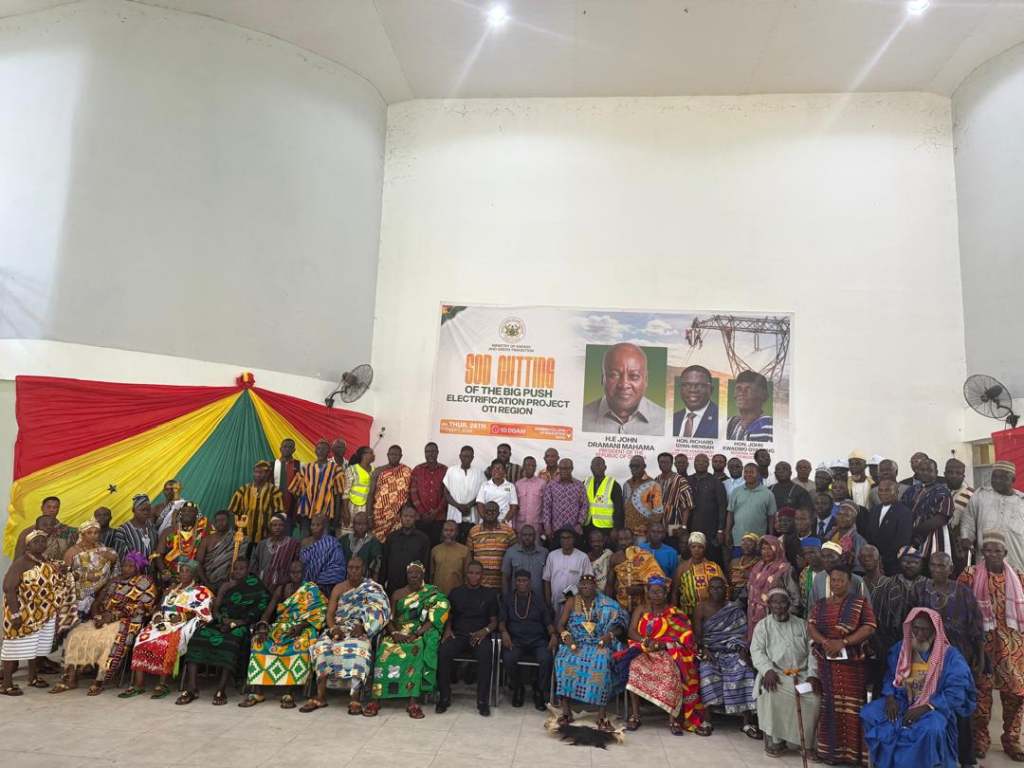
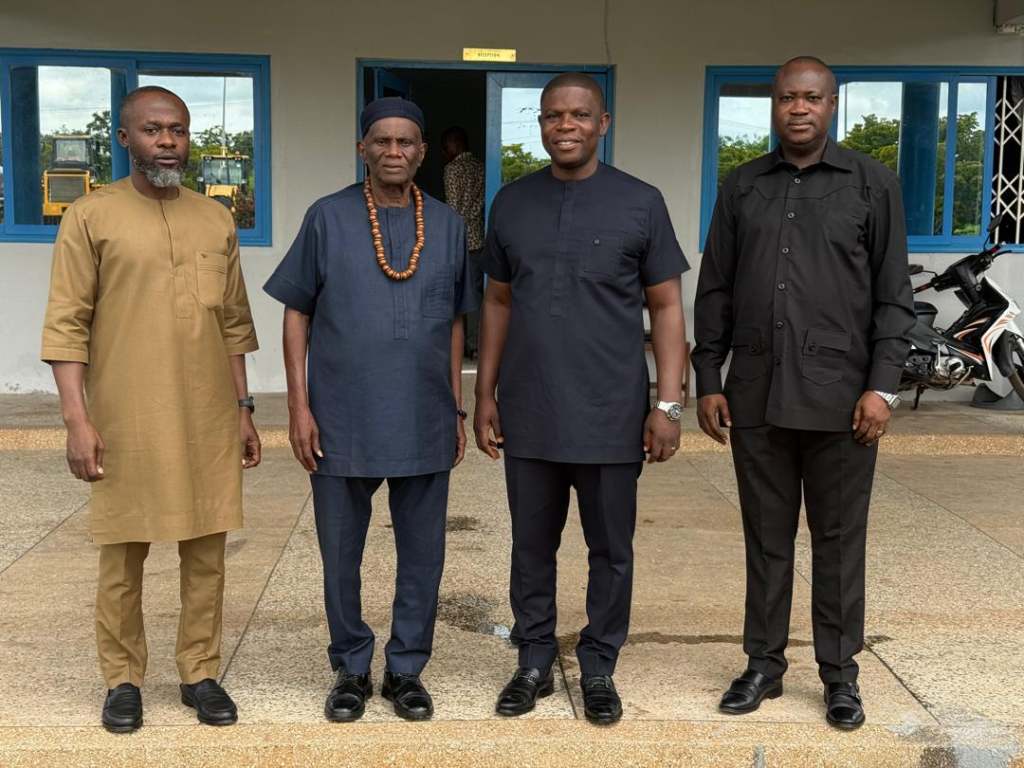
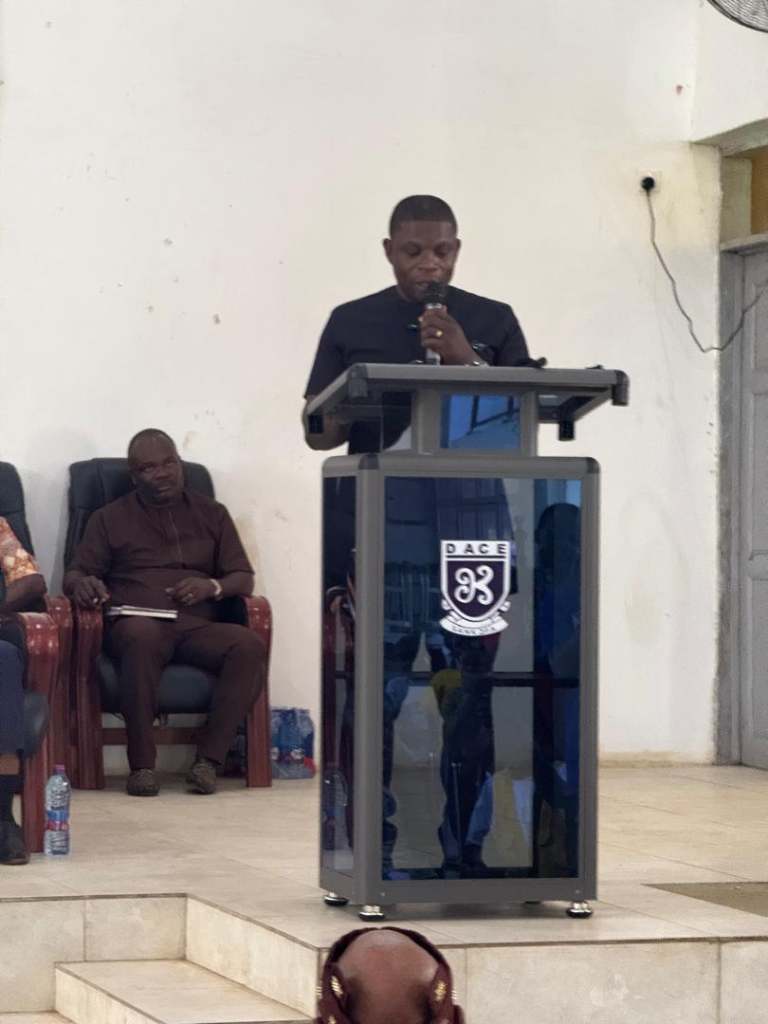
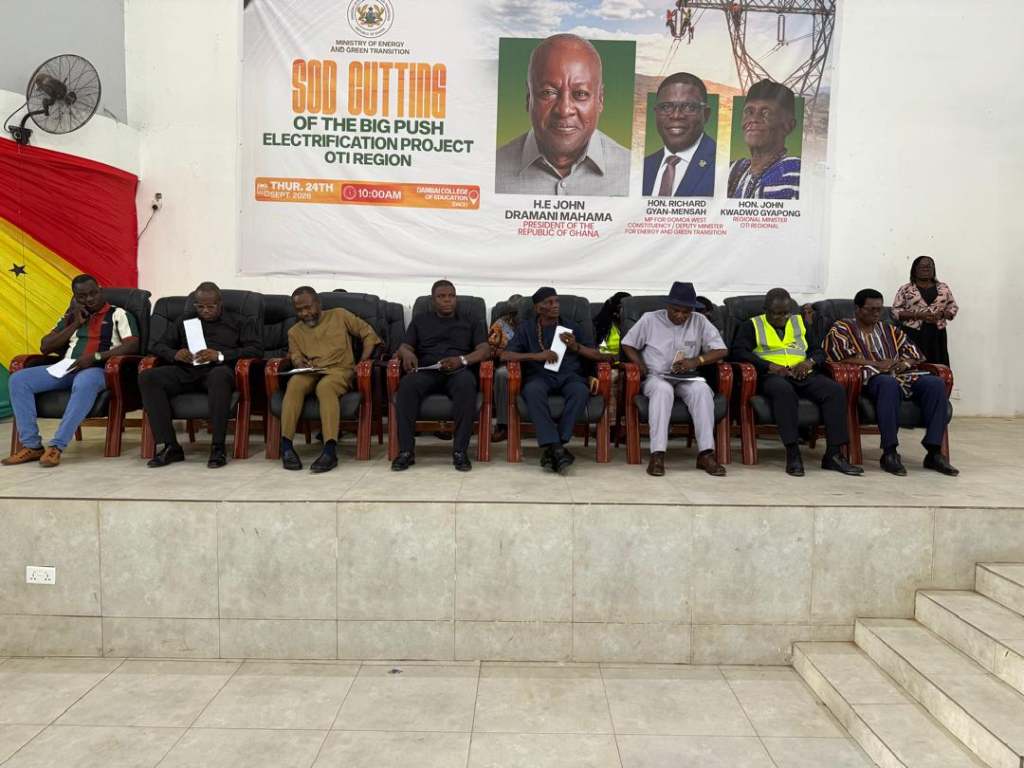
The Oti Region has taken another significant step towards expanding electricity access and accelerating socio economic development with the official launch of the Turnkey Electrification Project under the Rural Electricity Acceleration and Urban Intensification Initiative (REIP).
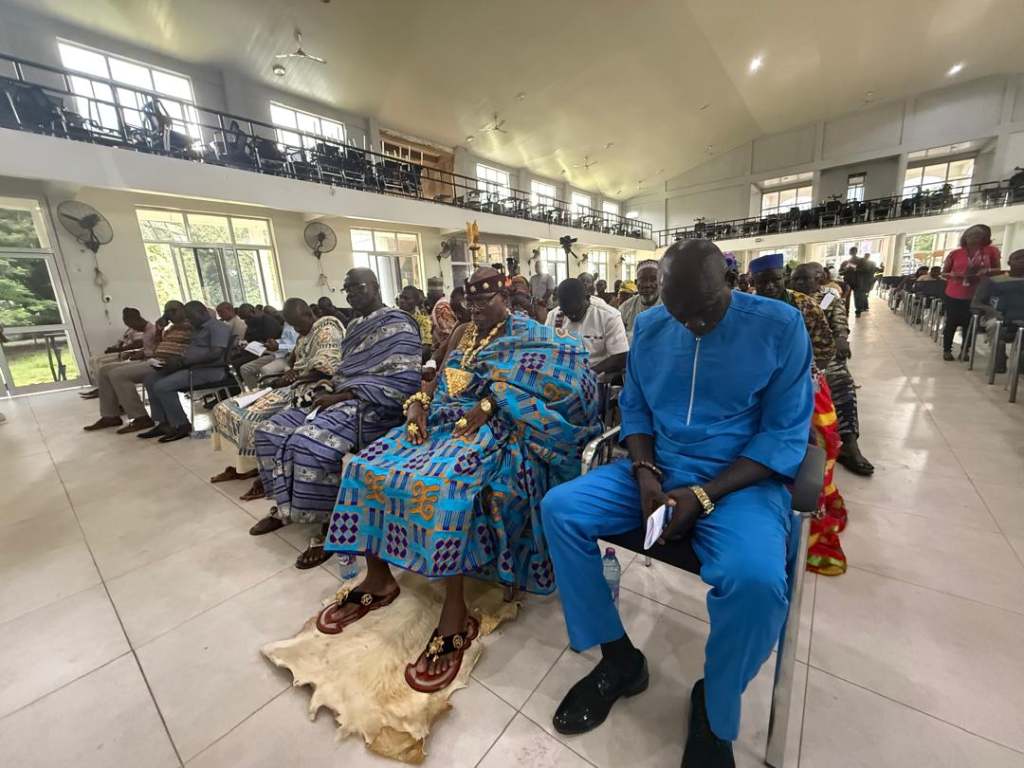
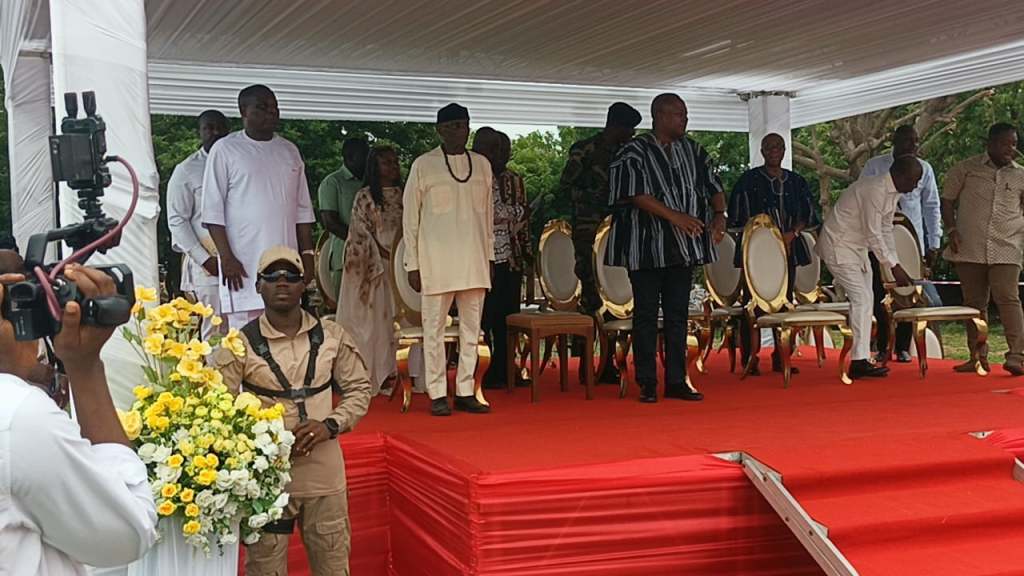
The programme, held on Thursday, 24th September 2026 at the Dambai College of Education Auditorium, brought together the Deputy Minister for Energy and Green Transition, Hon. Members of Parliament, the Oti Regional Minister, Municipal and District Chief Executives, traditional authorities, Heads of Departments and Units, officials of the Electricity Company of Ghana, representatives of Le Grino Limited, Assembly Members, the Media and other stakeholders.
The project, being implemented by Messrs. Le Grino Limited, will extend electricity supply to 90 communities across the Oti Region, with Government committing to the completion of the works within six months.
The intervention forms part of Government’s Big Push infrastructure programme, with an investment of GHS 300 million earmarked for the Oti Region project. The initiative is aimed at accelerating rural electrification and closing the electricity access gap, while supporting economic activities and improving livelihoods.
Addressing the gathering, the Deputy Minister for Energy and Green Transition emphasised that Government is pursuing a targeted strategy to connect unelectrified communities to the national electricity grid, with the Savannah, Central, Oti and Volta Regions identified for this year’s intervention.
He noted that electricity remains a critical foundation for development, supporting education, healthcare, businesses, agro processing, investment, employment and improved livelihoods.
The Deputy Minister also highlighted complementary interventions being undertaken to strengthen the electricity distribution network, including the deployment of distribution transformers, the Self Help Electrification Programme, Turnkey Electrification Projects and the Government of Ghana’s Big Push Flagship Programme.
The project sites were formally handed over to Le Grino Limited to commence implementation. The Ministry further stressed the importance of quality, value for money and adherence to the six month completion timeline.
Speaking on behalf of the Region, the Oti Regional Minister, Hon. John Kwadwo Gyapong, expressed appreciation to His Excellency President John Dramani Mahama and the Government for their continued attention to the development needs of the Oti Region.
The Minister noted that for Oti, electrification goes beyond providing light to homes. It represents an investment in education, healthcare, agriculture, agro processing, entrepreneurship, local businesses and the broader economic transformation of the Region.
He further called on traditional authorities, Municipal and District Assemblies, community leaders and residents to support the project by facilitating access to project sites, protecting project materials and working closely with the implementing agencies to ensure successful and timely completion.
The successful implementation of the project is expected to open up new opportunities for communities across Oti and contribute to the Region’s ongoing development trajectory.
For Oti, the Big Push is not just about infrastructure. It is about creating the conditions for opportunity, enterprise and inclusive development.
The work has begun. The lights are coming to more communities.
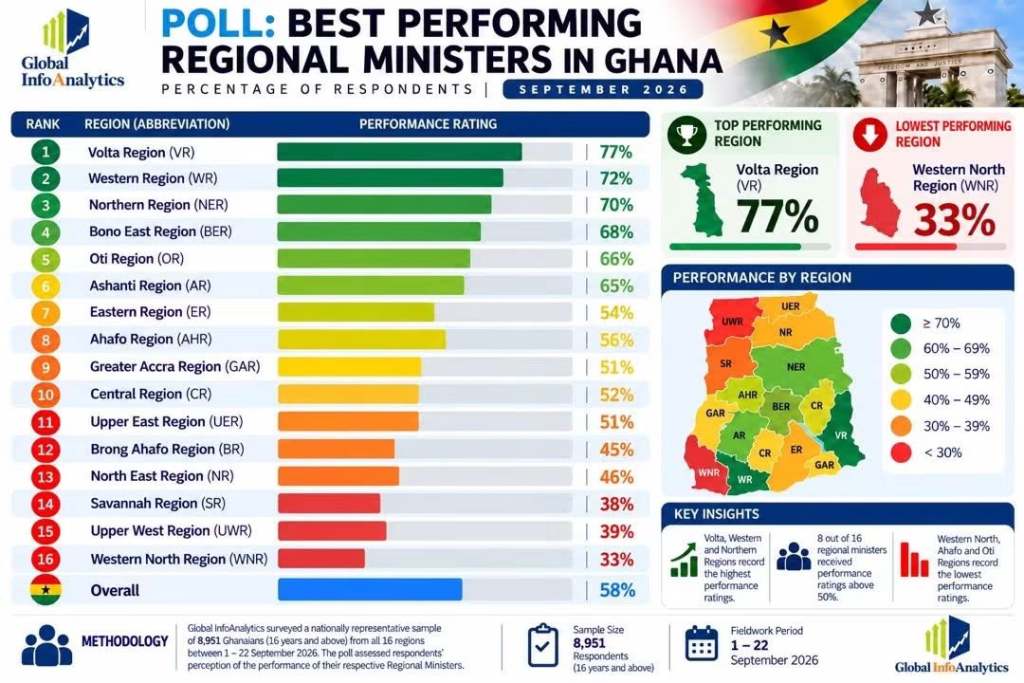
The latest September 2026 Regional Performance Poll by Global InfoAnalytics has placed the Oti Region among Ghana’s better performing regions, with the performance of its Regional Minister receiving a 66% rating from respondents.
According to the poll, Oti Region ranks 5th among Ghana’s 16 regions, placing it ahead of several regions in the assessment of public perception of their respective Regional Ministers. The overall national rating stands at 58%, meaning Oti’s 66% score is 8 percentage points above the national average. The finding is significant because the survey measures public perception of the performance of Regional Ministers. Respondents were asked to rate their Regional Minister as Excellent, Very Good/Good, Average, Poor/Very Poor, or had No Opinion.
For Oti Region, the 66% rating provides a positive indicator of how a substantial proportion of respondents perceive the performance of Hon. John Kwadwo Gyapong, the Oti Regional Minister.The result comes at a time when the region continues to receive attention for ongoing efforts in infrastructure development, roads, healthcare, local governance and other interventions aimed at improving living conditions across the region.
While one survey cannot by itself capture the full picture of development or governance, the latest figures provide an important measure of public perception. The 66% rating places Oti among the top five regions in Ghana in this particular assessment. For Oti, the message from the survey is clear: the region is making progress, the work is being noticed, and public perception of the current regional leadership remains positive.
The task ahead is to sustain the momentum, deepen development interventions and translate growing public confidence into even more tangible improvements in the lives of the people of Oti.
OTI REGION: 66%. 5TH NATIONALLY. 8 PERCENTAGE POINTS ABOVE THE NATIONAL AVERAGE.
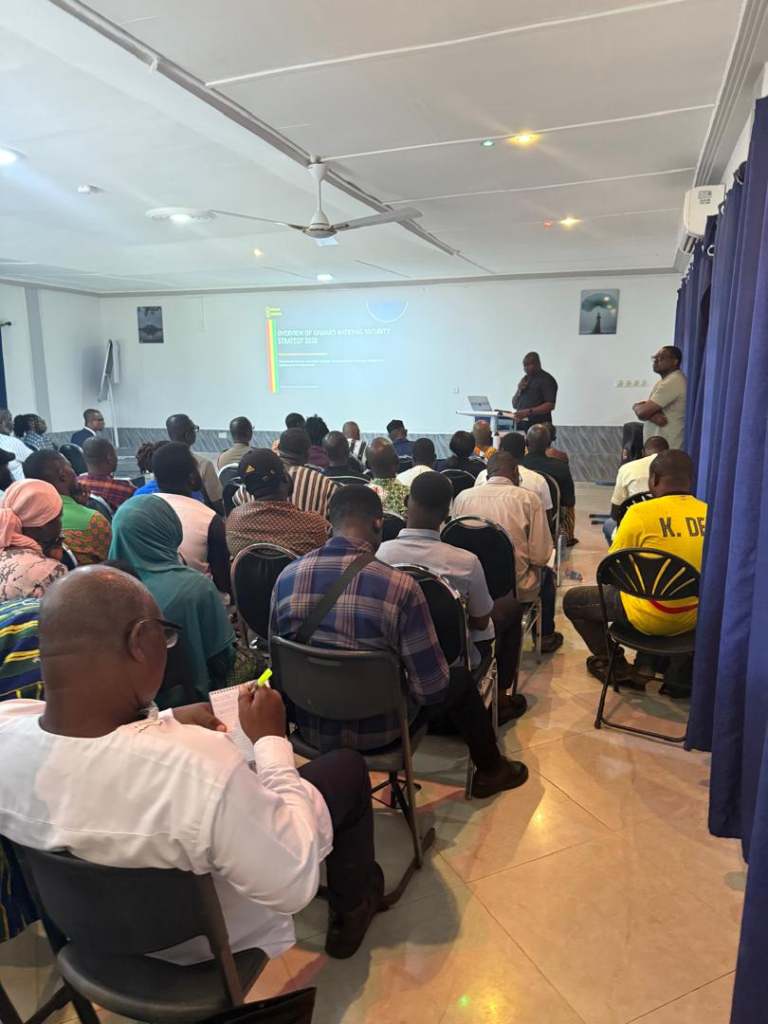
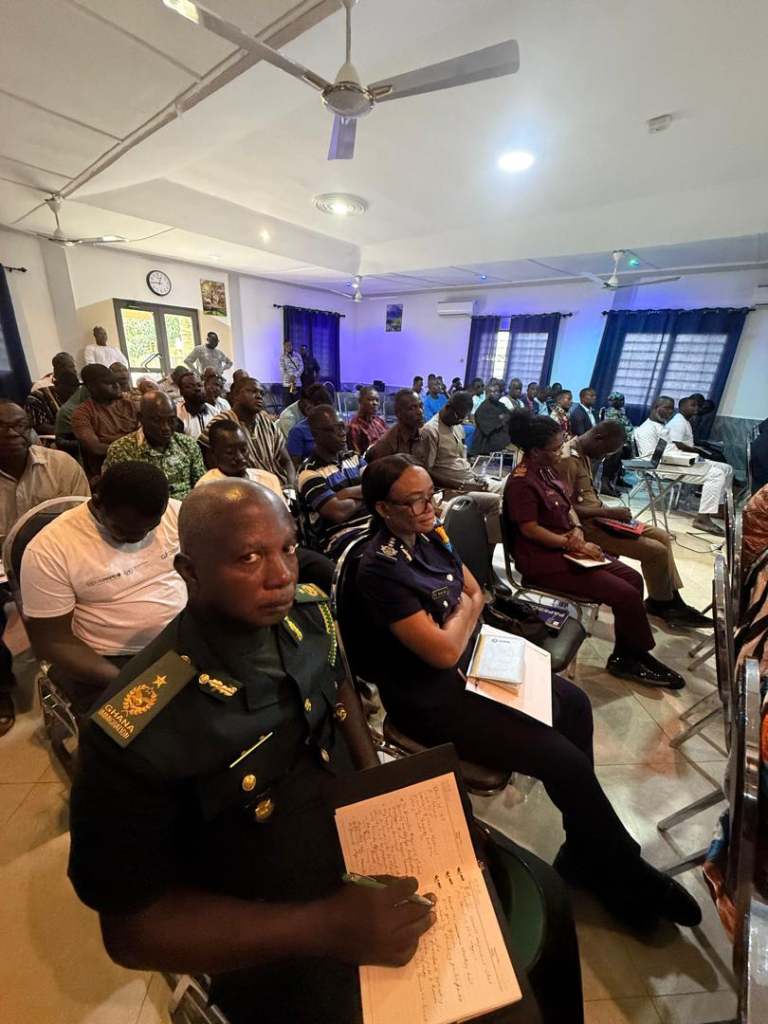
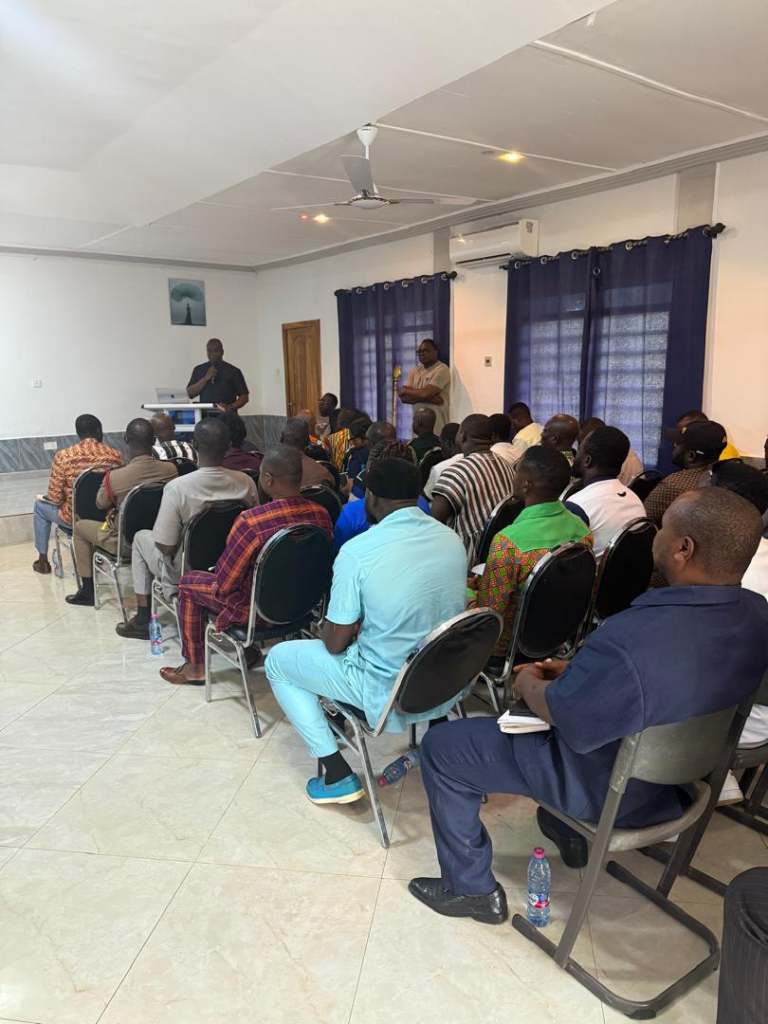
This morning, an entourage from the National Security Secretariat, in collaboration with the Regional Security Council (REGSEC), convened a high-level stakeholder engagement to provide an overview of Ghana’s National Security Strategy 2020 and to solicit inputs for its ongoing review and revision. Addressing the gathering, the Chairman of REGSEC expressed appreciation for the broad and distinguished representation at the meeting, which brought together traditional authorities, heads of security agencies, local government representatives, civil society organizations, religious leaders, youth representatives, and other key stakeholders from across the region.
The meeting underscored the importance of stakeholder participation in shaping a revised National Security Strategy that effectively responds to emerging and evolving threats facing Ghana. According to Security Team, the review process represents far more than a routine administrative exercise. Rather, it is a strategic and proactive response to the changing security dynamics within Ghana, the West African sub-region, and the wider global community. The security environment of today is markedly different from that of a few years ago. While traditional concerns remain relevant, we must also confront emerging threats such as violent extremism, terrorism, cybercrime, transnational organized crime, misinformation, environmental degradation, irregular migration, and communal conflicts. These challenges require a comprehensive, adaptive, and forward-looking strategy that reflects the realities of every region in Ghana. The Council emphasized that security can no longer be viewed solely through the lens of military and law enforcement interventions. Modern security challenges demand a coordinated and inclusive approach that mobilizes the collective efforts of government institutions, security agencies, traditional authorities, communities, the private sector, and civil society organizations. The Regional Security Council (REGSEC), established under the Security and Intelligence Agencies Act, 2026 (Act 1168), remains at the forefront of coordinating security activities and maintaining peace and public order at the regional level. However, participants were reminded that effective national security is a shared responsibility. Security is no longer the exclusive preserve of those in uniform. It is a collective responsibility that requires the active involvement of every citizen. A whole-of-government and whole-of-society approach is essential if we are to build the resilience needed to address both current and emerging threats. Participants were further encouraged to view their communities as the nation’s first line of defence. The meeting provided an opportunity for stakeholders to share firsthand experiences, identify local vulnerabilities, and propose practical solutions to strengthen the country’s overall security architecture. The perspectives and insights you bring from your communities are invaluable. They will help ensure that the revised National Security Strategy does not become merely an ‘Accra document,’ but rather a truly national framework that reflects the aspirations, concerns, and lived experiences of citizens in every corner of Ghana. REGSEC called on stakeholders to engage openly and constructively throughout the consultation process by highlighting both successes and existing gaps in the current strategy. Particular attention was given to regional-specific concerns including border security, land and chieftaincy disputes, youth unemployment, environmental security, illegal mining activities, social cohesion, and other emerging risks that may threaten peace and stability. The Council noted that informed and honest stakeholder contributions are critical to ensuring that the revised strategy translates into effective actions and measurable improvements in public safety and national resilience. Concluding the engagement, participants were reminded that Ghana’s peace and stability remain indispensable foundations for economic growth, social development, and national progress.
Peace and security are the bedrock upon which sustainable development is built. As we undertake this important review, let us do so with a sense of patriotism, urgency, and shared responsibility. Together, we can develop a National Security Strategy that not only addresses today’s challenges but also prepares Ghana for the opportunities and uncertainties of the future. The stakeholder engagement forms part of ongoing national consultations aimed at producing a comprehensive and inclusive revised National Security Strategy that reflects the priorities and security concerns of all Ghanaians.
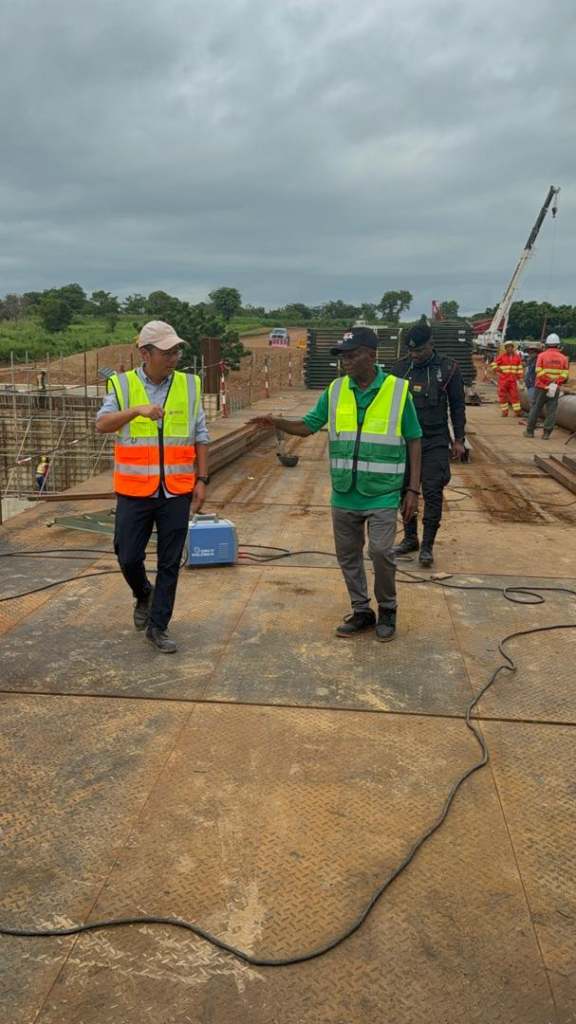
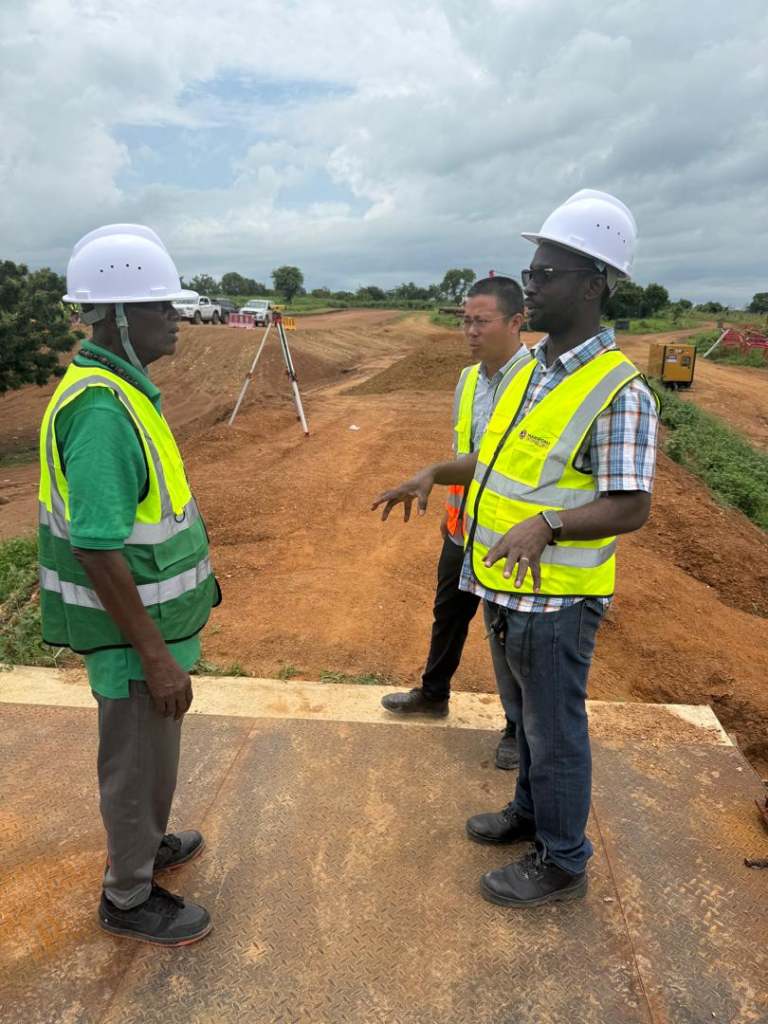
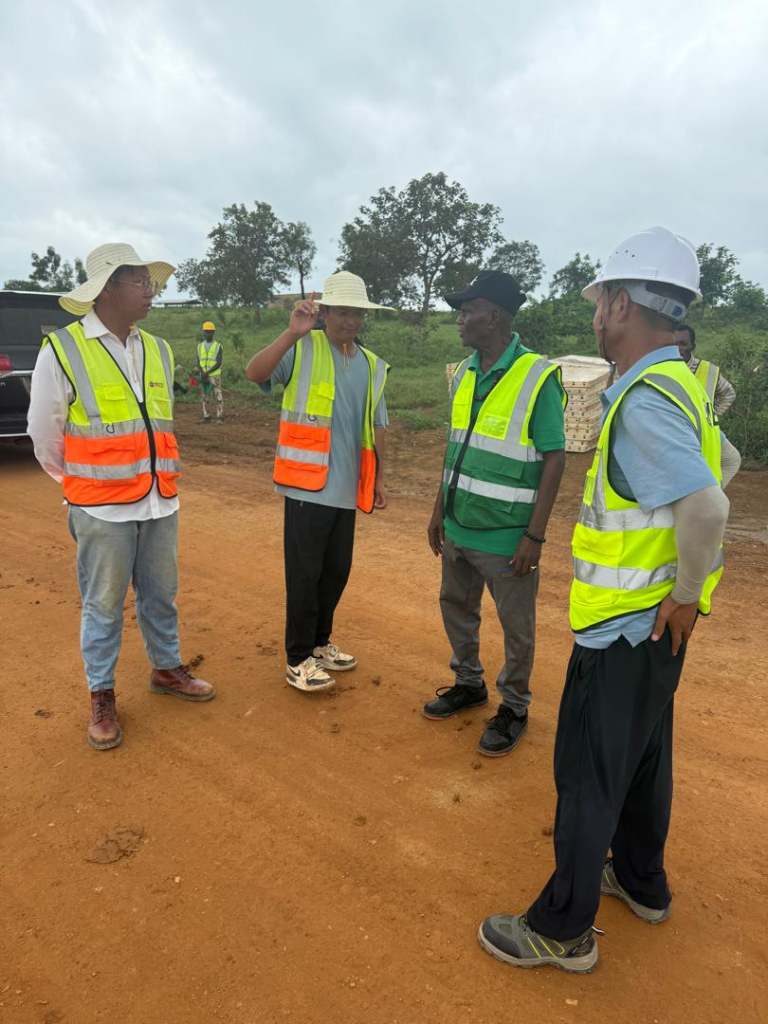
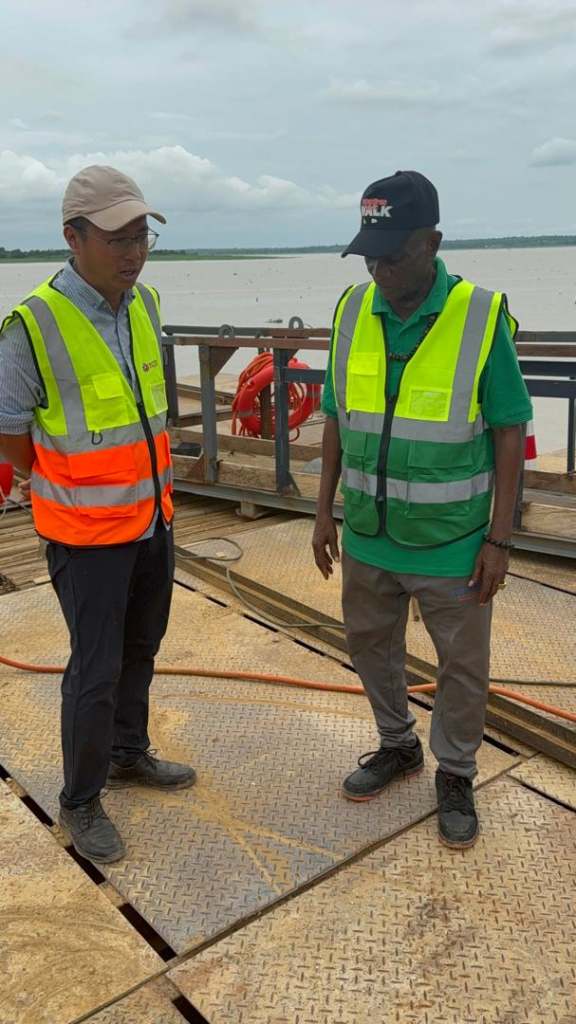
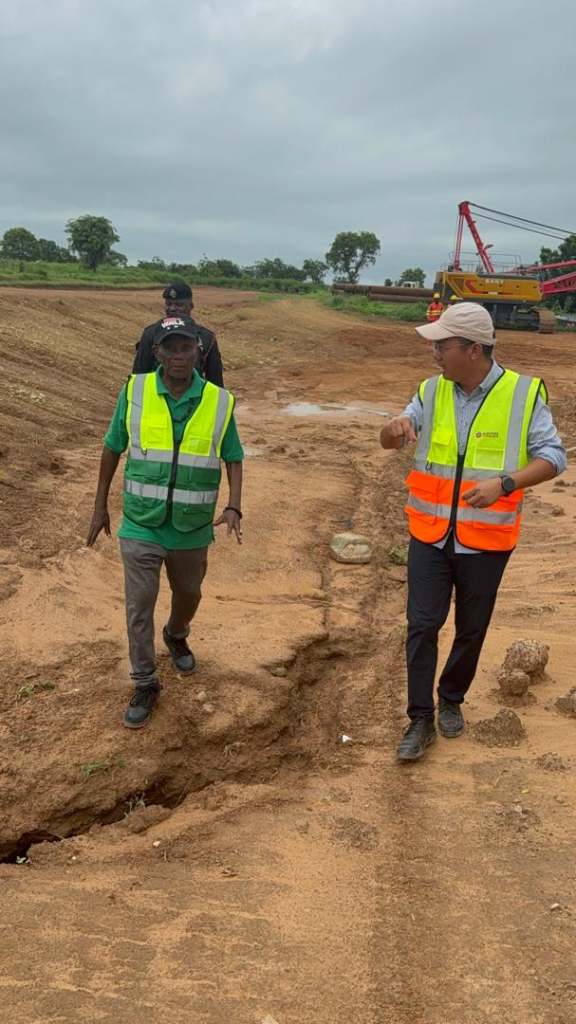
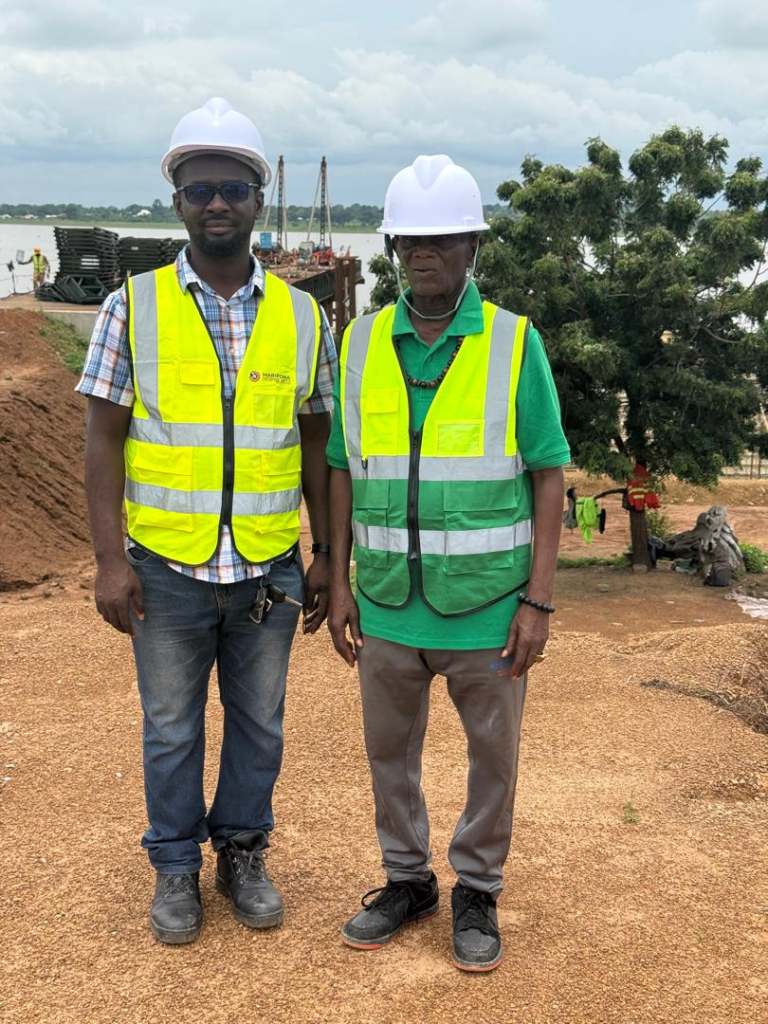
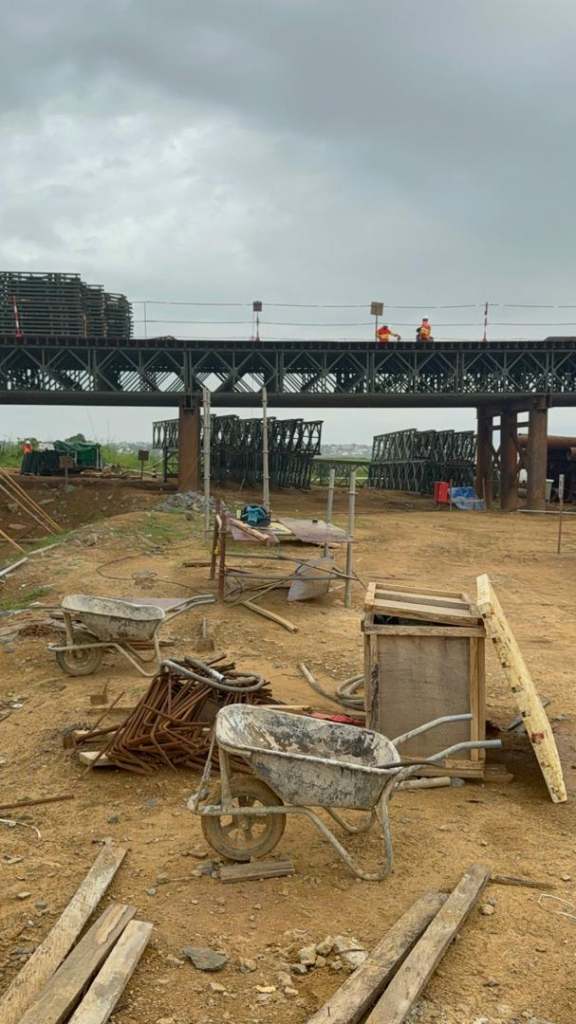
The Oti Regional Minister, Hon. John Kwadwo Gyapong, this morning paid a working visit to the Dambai Bridge construction site to assess the progress of work on the landmark infrastructure project, which is expected to significantly improve transportation and connectivity within the region.
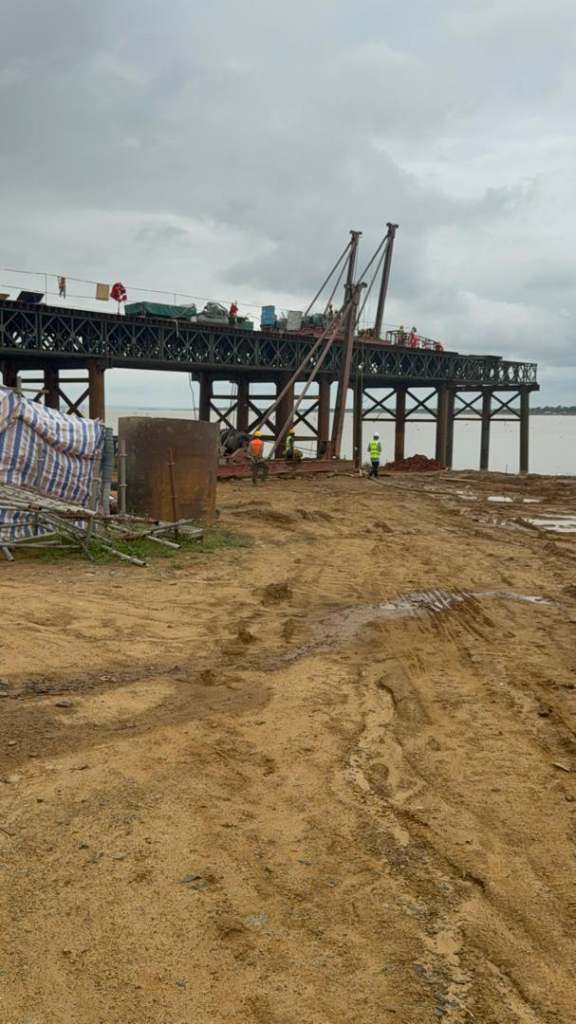
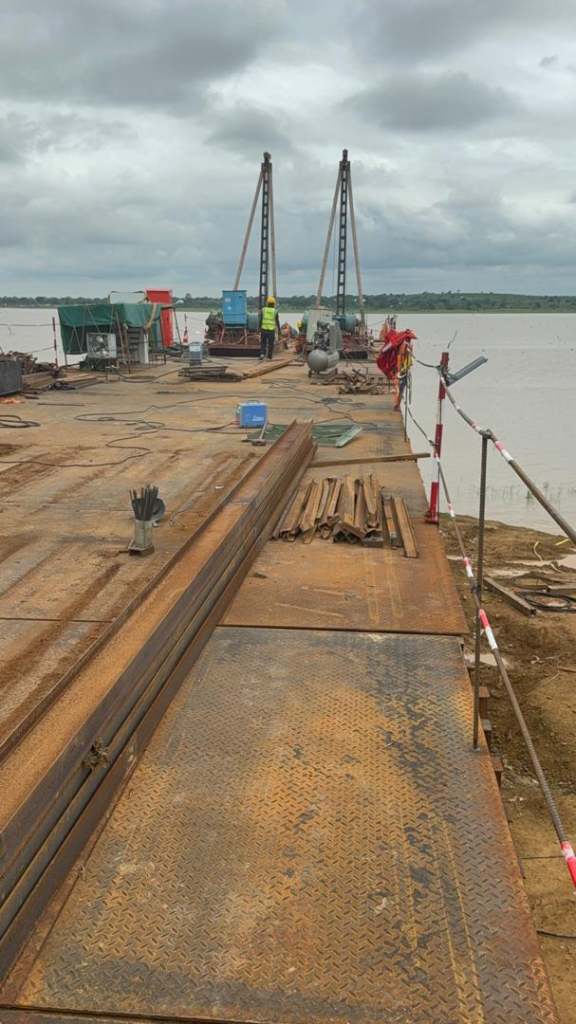
During the inspection tour, the Minister received a comprehensive briefing from project engineers and contractors on ongoing construction activities. Key among the updates was the construction of a temporary steel bridge, which will facilitate access and support the execution of the main bridge works.
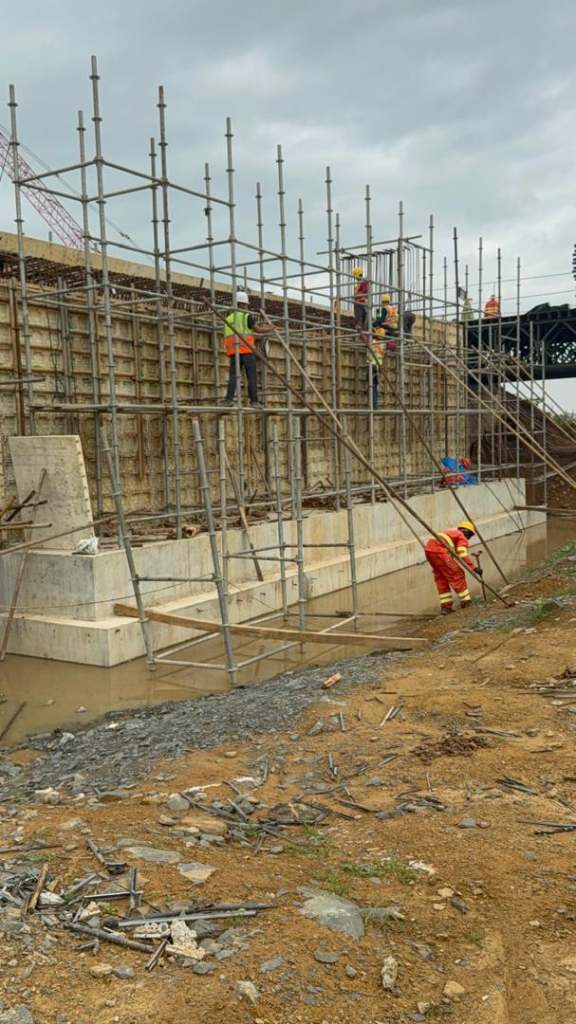
The engineers informed the Minister that the main bridge, projected to span approximately 1,500 metres, is making steady progress, with about 63 metres completed to date. The update reflects the commitment of the construction team to delivering the project according to the agreed schedule.
Hon. Gyapong commended the engineers, contractors, and workers for their dedication and the impressive pace of work achieved thus far. He encouraged them to maintain the momentum and uphold the highest standards of quality, safety, and professionalism throughout the construction process.
Speaking after the inspection, the Minister expressed confidence in the project’s successful completion within the stipulated contractual timeframe. He noted that the Dambai Bridge remains a strategic investment that will strengthen regional integration, improve access to social and economic opportunities, facilitate trade and movement, and contribute significantly to the socioeconomic development of the Oti Region and Ghana as a whole.
The Government remains committed to ensuring the timely completion of the project to provide residents, businesses, and commuters with a modern and reliable transportation link that will serve generations to come.
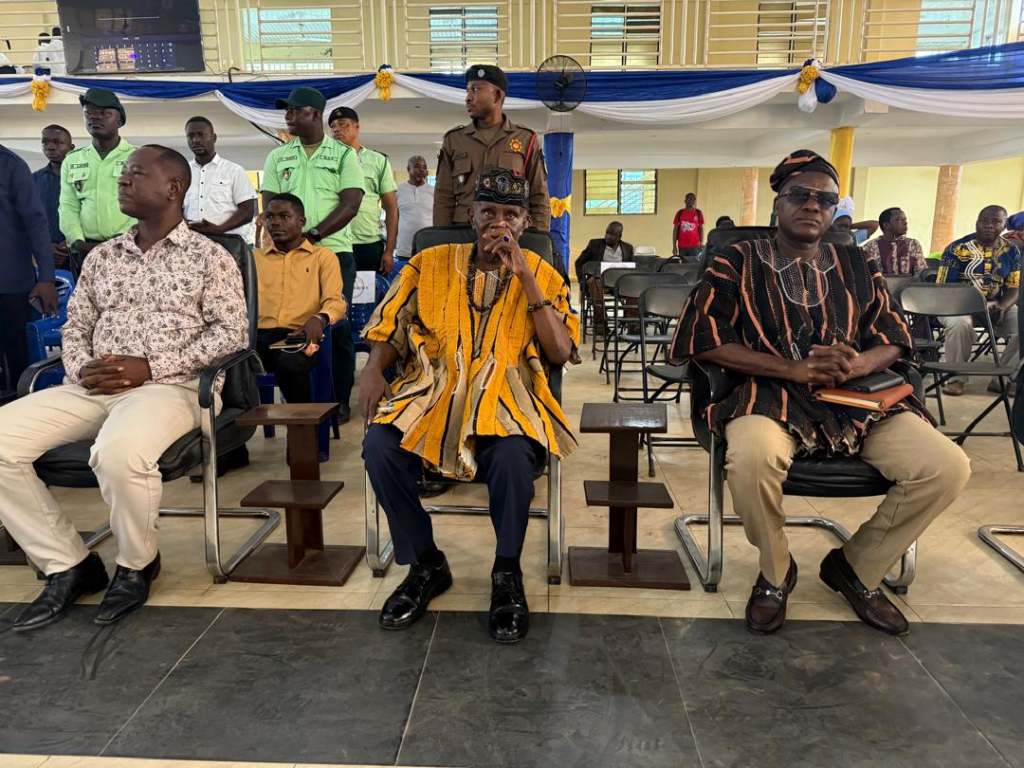
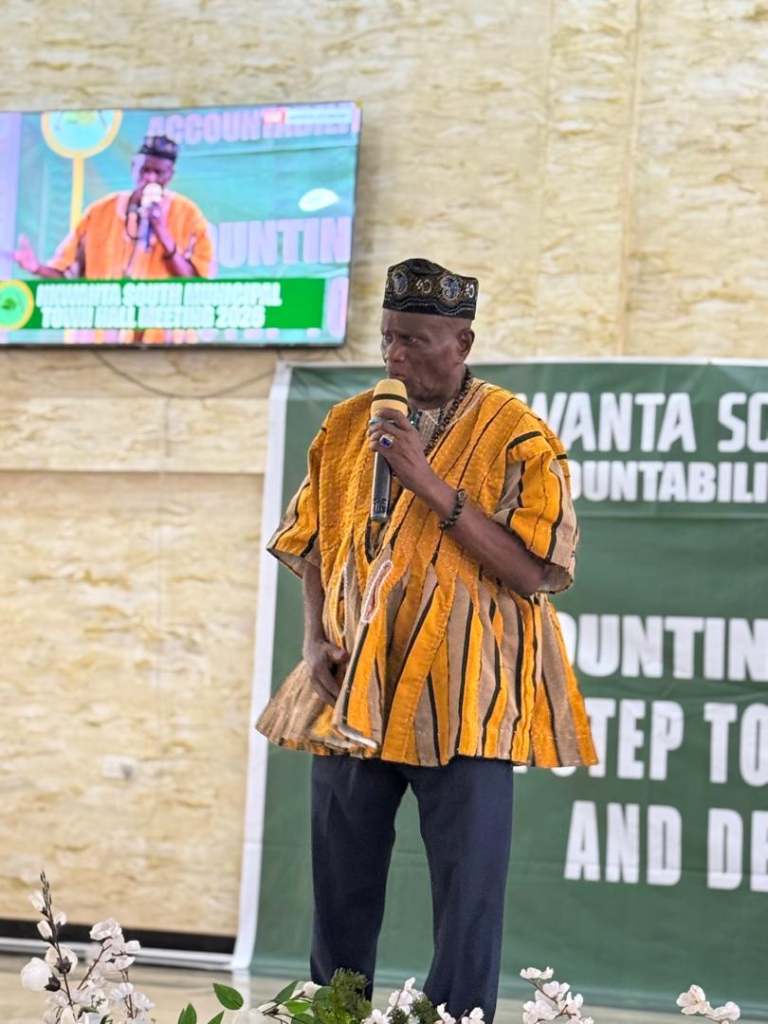
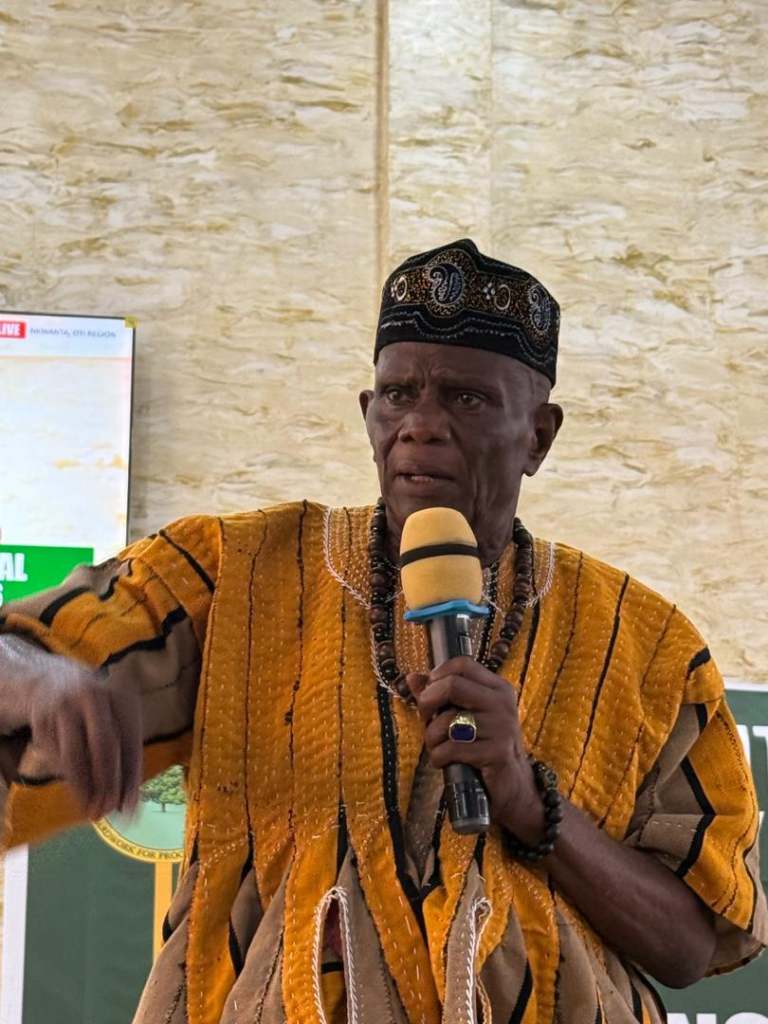
Nkwanta South, Oti Region – The Oti Regional Minister today participated in the Nkwanta South Town Hall Meeting, where the Municipal Chief Executive (MCE) for Nkwanta South, Hon. Joseph Awal, rendered an account of his stewardship and achievements over the past nineteen months.
The event, held under the theme “Accounting to the People: A Step Towards Peace and Development,” brought together traditional authorities, assembly members, religious leaders, opinion leaders, youth groups, and members of the public to facilitate dialogue on governance, development and accountability.
In his remarks, the Regional Minister commended the Municipal Assembly for providing a platform that promotes transparency, citizen participation and direct engagement between government and the people. He noted that democratic governance thrives when citizens are informed about government policies, actively participate in decision-making processes, and are provided opportunities to hold public officials accountable.
The Minister emphasized that accountability goes beyond reporting projects and programmes. According to him, it strengthens the social contract between government and citizens by ensuring that public resources are managed responsibly and that development interventions deliver tangible benefits to communities.
Touching on the development prospects of the Oti Region, the Minister described the region as one of immense potential, endowed with fertile agricultural lands, abundant natural resources, thriving fishing communities, tourism opportunities and a hardworking population. He observed that although inadequate infrastructure and investment had previously constrained growth, recent government interventions are beginning to create new opportunities for development across the region.
He highlighted ongoing investments in roads, bridges, agriculture, healthcare, education, markets, telecommunications and security infrastructure, stating that these interventions form part of Government’s broader strategy to accelerate socioeconomic transformation in the region.
The Minister acknowledged that challenges remain in critical sectors, including infrastructure, healthcare, education, water and sanitation, employment and economic empowerment. However, he stressed the need for residents to recognize the progress being made while continuing to support efforts aimed at addressing development gaps.
On agriculture, he described the sector as the backbone of the regional economy, particularly in districts such as Nkwanta South, Nkwanta North, Krachi West and Krachi Nchumuru, which continue to contribute significantly to Oti’s reputation as the yam basket of Ghana.
He reiterated the need to transition from agricultural production to commercialization through value addition, processing, storage and improved market access. He further highlighted Government’s Nkoko Nkitinkiti Programme, which seeks to promote poultry production and provide alternative income opportunities for farmers and young people through the distribution of day-old chicks.
The Minister also underscored ongoing irrigation initiatives in areas such as Bumbula and Katanga, aimed at reducing dependence on rainfall and supporting all-year-round farming to boost food production and economic growth.
As part of efforts to stimulate trade and entrepreneurship, the Minister disclosed that all nine Municipal and District Assemblies in the Oti Region have awarded contracts under the Government’s 24-Hour Economy Markets Programme. The initiative is expected to create opportunities for traders, farmers, artisans, transport operators, food vendors and young entrepreneurs, while enhancing economic activity across the region.
In the healthcare sector, the Minister highlighted notable improvements in maternal and child health indicators. He disclosed that skilled deliveries increased from 67.54 percent in the first half of 2025 to 70.93 percent in the first half of 2026, exceeding the national target, while neonatal mortality declined from 2.22 percent to 1.21 percent during the same period.
He also commended the Ghana Health Service, development partners and the Regional Coordinating Council for their collaborative efforts in strengthening healthcare delivery, including specialized training programmes for midwives in emergency obstetric and neonatal care.
The Minister further announced that all nine Municipal and District Assemblies in the Oti Region are currently benefiting from the Government’s Free Primary Healthcare Programme, which was recently launched in Dambai by the Minister for Health.
Additionally, he expressed optimism about the planned Oti Regional Hospital Project in Dambai, revealing that over 100 acres of land have been secured for the facility. The project is expected to significantly improve access to specialized healthcare services and reduce referrals outside the region.
On education, the Regional Minister emphasized the importance of investing in human capital development. He welcomed discussions captured in the 2026 National Budget regarding the establishment of a public university and a technical university in the Oti Region, describing them as strategic opportunities for expanding access to higher education and skills development.
He also highlighted ongoing GETFund projects across various second-cycle institutions aimed at improving educational infrastructure and learning outcomes.
Addressing the issue of peace and security, the Minister described peace as the most critical prerequisite for development, particularly in Nkwanta. He observed that the Nkwanta conflict has negatively affected businesses, education, agriculture and livelihoods, while slowing development and discouraging investment.
Despite these challenges, he stressed that Nkwanta’s identity should not be defined by conflict. Rather, he described the municipality as the economic and commercial heartbeat of the Oti Region, with significant potential for growth and prosperity.
The Minister commended the efforts of the Regional Security Council, security agencies, traditional authorities, religious leaders, community leaders and the Nkwanta Peace Mediation Committee for their continuous work in promoting peace, dialogue and reconciliation.
He called on residents, particularly the youth, to reject violence and work collectively towards sustaining peace, emphasizing that lasting peace can only be achieved through the active participation and commitment of all stakeholders.
Concluding his address, the Minister reiterated that development is a shared responsibility between government and citizens. While government remains committed to accountability, effective service delivery and responsive governance, he urged citizens to contribute meaningfully to the development of their communities by upholding their civic responsibilities and supporting peacebuilding efforts.
He reaffirmed his commitment to ensuring that Municipal and District Assemblies continue to strengthen planning, implementation and accountability mechanisms to deliver improved services and development outcomes for the people of Oti. The Minister expressed confidence that, with unity, peace and collective commitment, the Oti Region will continue to make significant strides towards sustainable growth and transformation.
The Oti Regional Coordinating Council (ORCC) has inaugurated its Audit Committee and the Audit Committees of the Region’s nine (9) Municipal and District Assemblies, in line with the requirements of Ghana’s public financial management and accountability framework.
The inauguration, held at the ORCC Conference Hall, brought together members of the newly constituted committees, their respective secretaries, Coordinating Directors, Internal Auditors and Finance Officers from the various Assemblies, as well as other key stakeholders.
The occasion was also attended by the Municipal and District Chief Executives (MDCEs) of Kadjebi, Krachi East, Nkwanta South and Biakoye, who joined the event to lend their support to the strengthening of accountability and financial governance within the Region. Representatives of the Internal Audit Agency (IAA), who participated virtually, also joined the ceremony on behalf of the Director-General of the Agency.
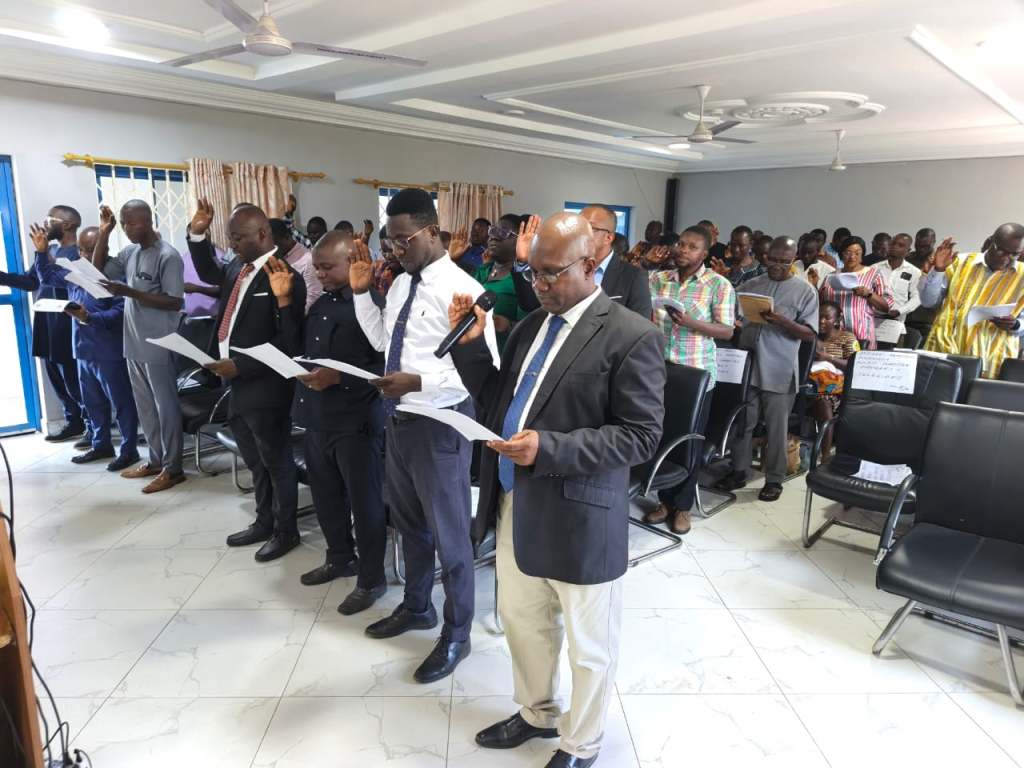
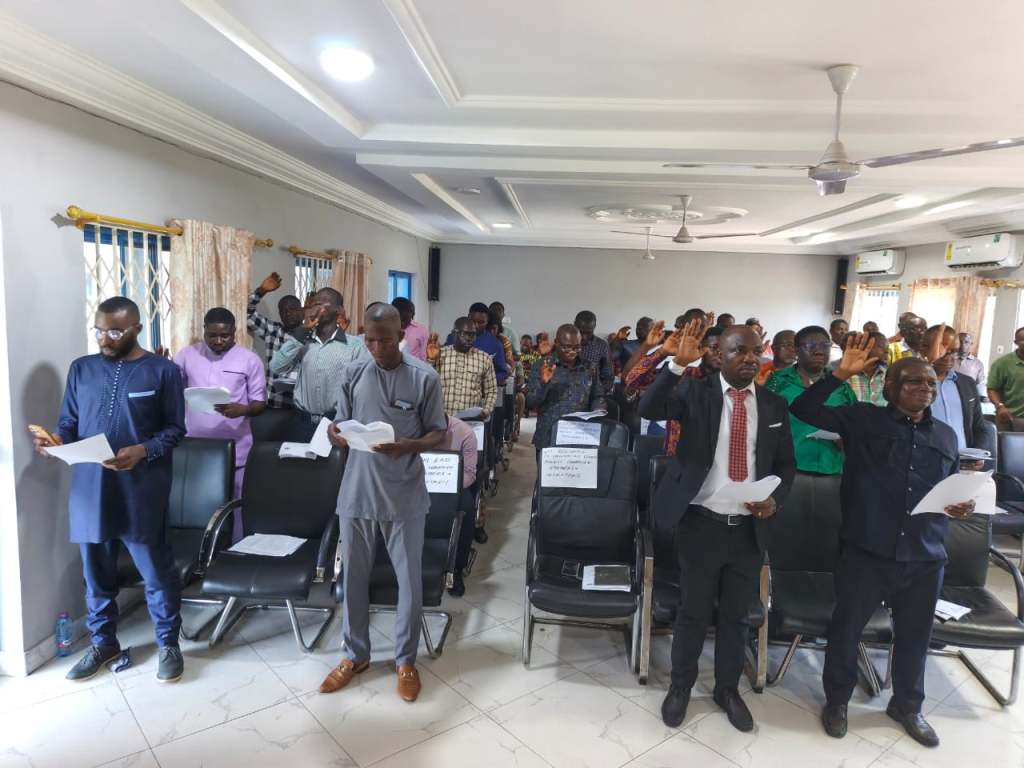
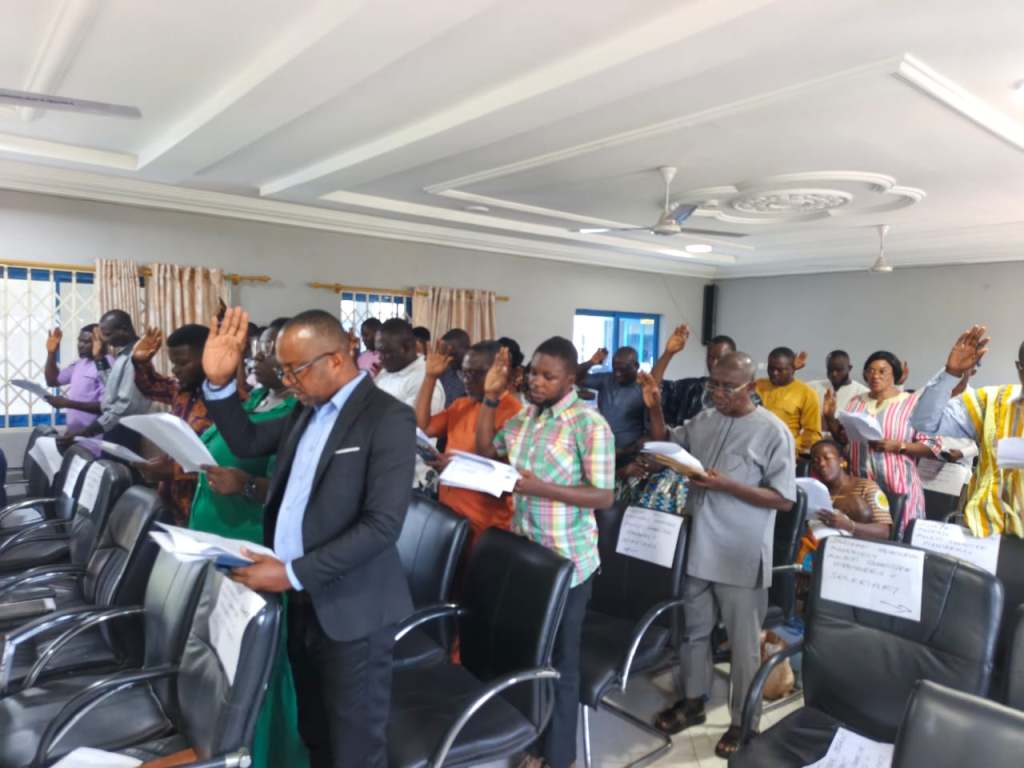
The representatives of the Internal Audit Agency formally administered the oath of office to members of the newly constituted Audit Committees, charging them to uphold the principles of integrity, independence, professionalism and accountability in the discharge of their responsibilities.
They also took participants through the mandate and functions of Audit Committees, highlighting their important role in strengthening internal controls, reviewing audit findings, monitoring the implementation of audit recommendations, identifying institutional risks and promoting sound financial management.
The representatives further emphasized the need for the committees to work closely with management, Internal Audit Units and other relevant stakeholders to ensure that identified weaknesses are addressed promptly and that audit recommendations are effectively implemented.
Delivering the address of the Hon. Regional Minister, Mr. Eric Yankson, Regional Director of the Internal Audit Unit of the Oti Regional Coordinating Council, congratulated the newly inaugurated members and underscored the importance of the committees to effective public sector governance.
The Minister noted that the inauguration represented an important step in the collective effort to strengthen accountability, transparency, prudent financial management and good governance within the Region. He stressed that public resources belong to the people and must therefore be managed efficiently, transparently and in accordance with the relevant laws and regulations.
The Minister encouraged members of the Audit Committees to discharge their responsibilities with independence, objectivity, professionalism, courage and integrity. He noted that the role of the committees should not be seen simply as an exercise in finding faults, but rather as a mechanism for strengthening institutional systems, managing risks and protecting public resources.
He further urged the committees to pay particular attention to the effective follow-up and implementation of audit recommendations, stressing that audit reports would have limited impact if the issues identified were not addressed.The Minister also called on management of the various Assemblies to provide the Audit Committees with the necessary cooperation and support to enable them to effectively perform their functions.
He commended Audit Committees that have demonstrated commitment to their mandate over the years, particularly through the consistent holding of quarterly meetings and, where necessary, emergency meetings to address urgent matters, despite occasional delays in funding for their activities.
According to him, such commitment demonstrates that effective accountability is driven not only by the availability of resources but also by professionalism, dedication and a strong sense of responsibility.He therefore urged the newly inaugurated committees to see their appointment as a responsibility entrusted to them by the people of Ghana and to ensure that their work contributes to stronger internal controls, improved management of public resources and enhanced institutional performance.
The inauguration concluded with a renewed call for all stakeholders within the local government system to work together to strengthen accountability and safeguard the integrity of public institutions across the Oti Region.The newly inaugurated Audit Committees are expected to work collaboratively with management, Internal Audit, the Internal Audit Agency and other relevant accountability institutions to promote sound financial management and good governance within their respective institutions.
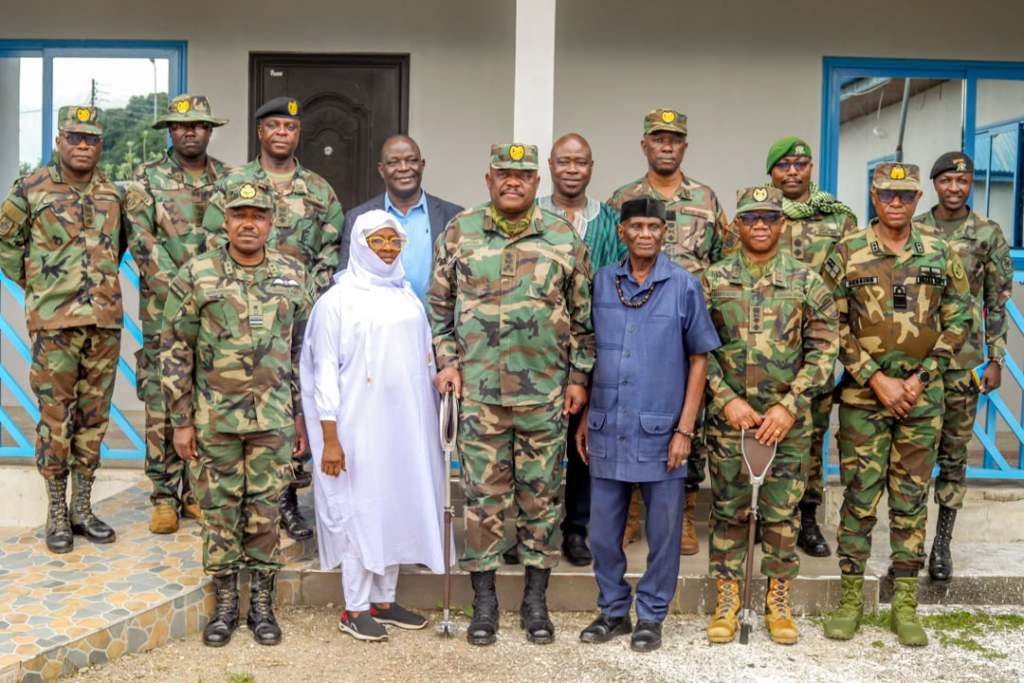
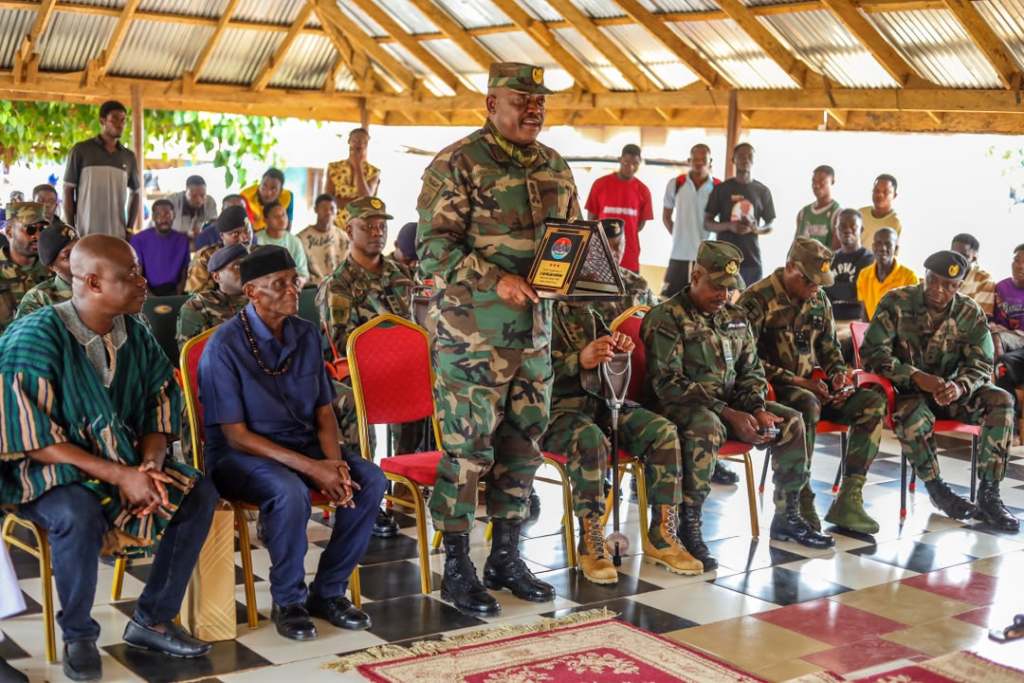
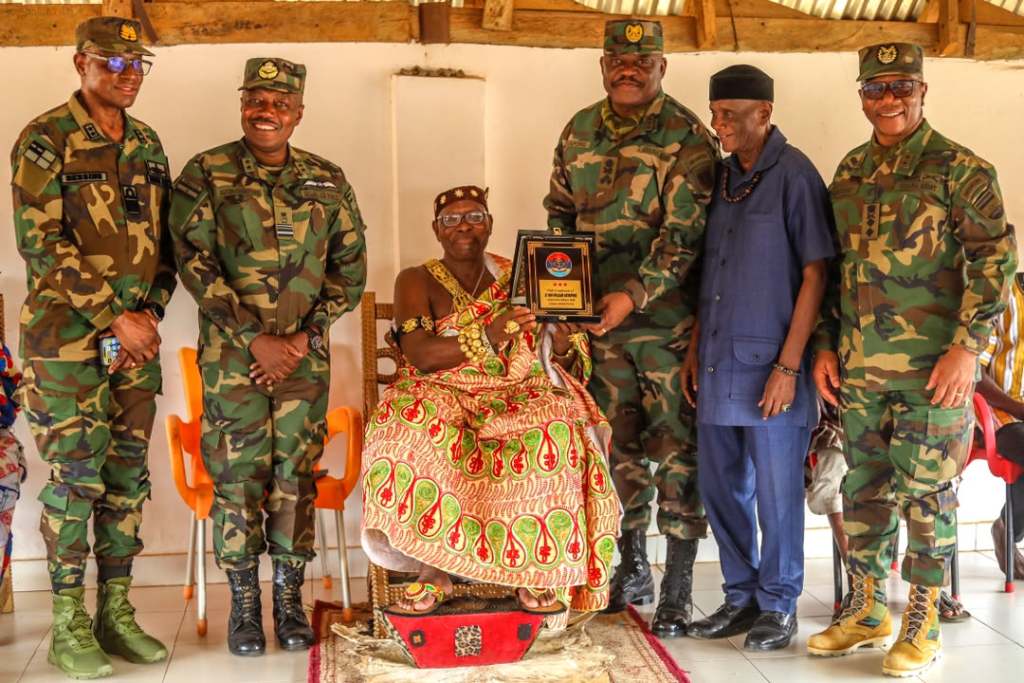
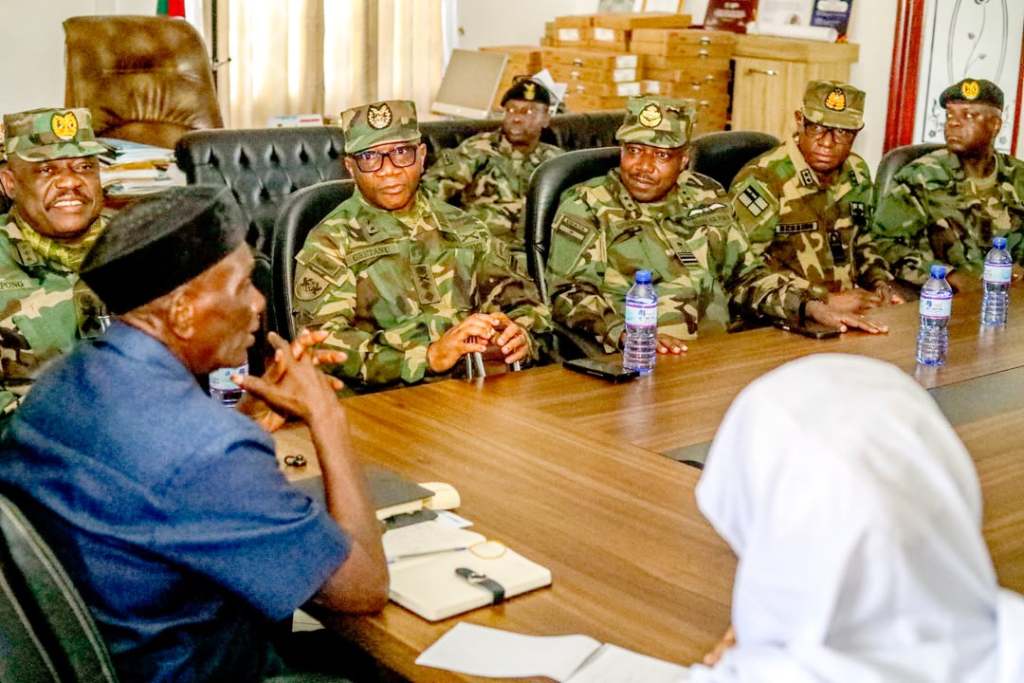
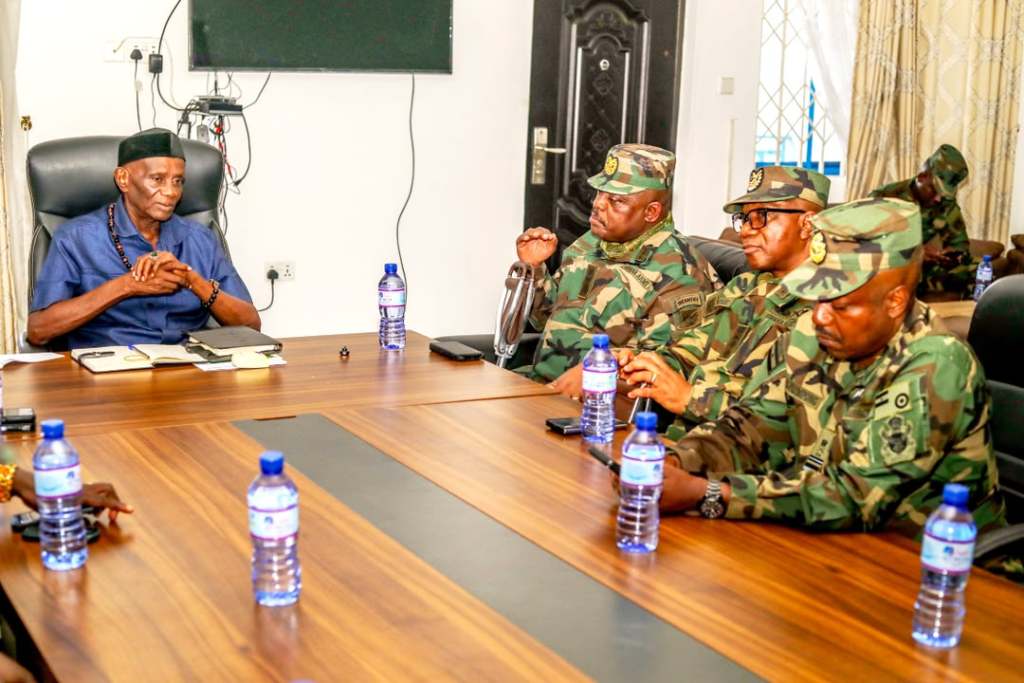
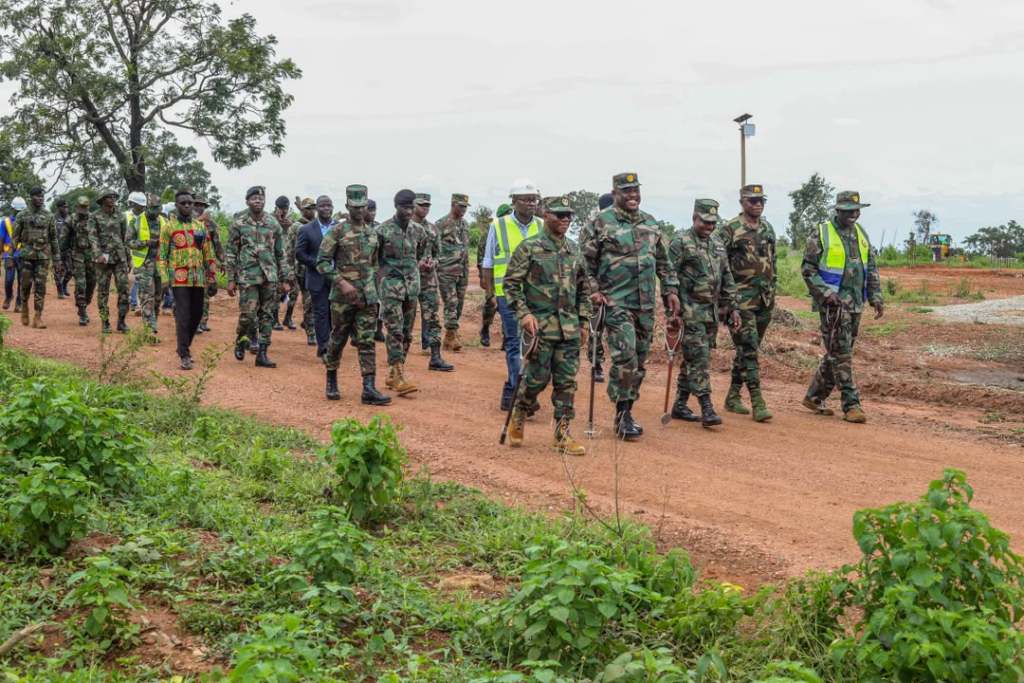
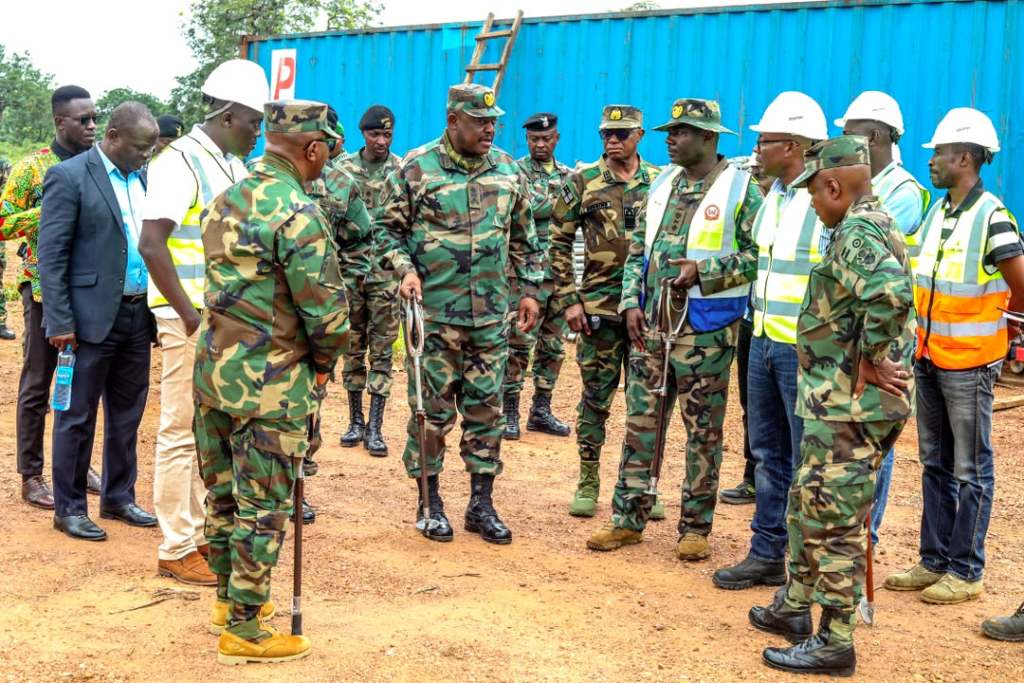
The Oti Regional Minister, Hon. John Kwadwo Gyapong, on Friday, welcomed the Chief of the Defence Staff (CDS), Lieutenant General William Agyapong, and a high-powered delegation from the Ghana Armed Forces on a working visit to the Oti Region.
The delegation comprised the Chief of Army Staff, the Chief of Naval Staff, and the Chief of Air Staff. The visit formed part of efforts to assess the progress of the ongoing Oti Military Barracks Project and explore measures to accelerate its completion.
In his welcome remarks, Hon. Gyapong expressed his appreciation to the leadership of the Ghana Armed Forces for their unwavering commitment to safeguarding lives and property, particularly their immense contribution to maintaining peace and security in Nkwanta and other parts of the Oti Region.
The Regional Minister commended the Armed Forces for their continuous collaboration with the Government in promoting stability and creating a secure environment for socio-economic development. He also expressed optimism that the first phase of the military barracks project would be completed within the next twelve months to accommodate the first batch of military personnel to be deployed to the region.
Addressing the gathering, the Chief of the Defence Staff, Lieutenant General William Agyapong, stated that the Oti Region was privileged to be one of only two regions selected for the construction of new military barracks this year. He explained that the facility would serve as a permanent base for the Army, Navy and Air Force and would also include an airstrip to enhance operational efficiency and rapid response to security emergencies.
According to the CDS, the purpose of the visit was to inspect the progress of work on the project, engage the contractors and stakeholders, and identify practical measures to ensure its timely completion. He further expressed gratitude to the Oti Regional Coordinating Council and the Krachi East Municipal Assembly for their collaboration in securing the land for the project, describing their support as instrumental to its successful commencement.
Lieutenant General Agyapong noted that upon completion, the military barracks would significantly strengthen the security architecture of the Oti Region, improve rapid deployment capabilities, and contribute to creating a safer and more secure environment for residents and investors alike.
As part of the day’s activities, the delegation paid a courtesy call on Dasibre Atamafowiese Bonjah II, Paramount Chief of the Chonke Traditional Area, where they discussed the importance of continued collaboration between the traditional authorities and the security services in promoting peace and development in the region.
The delegation later visited the military barracks project site to inspect the progress of construction and interact with the project team.The visit underscores the Government’s commitment to strengthening national security infrastructure while reinforcing the strategic importance of the Oti Region in Ghana’s security and development agenda.
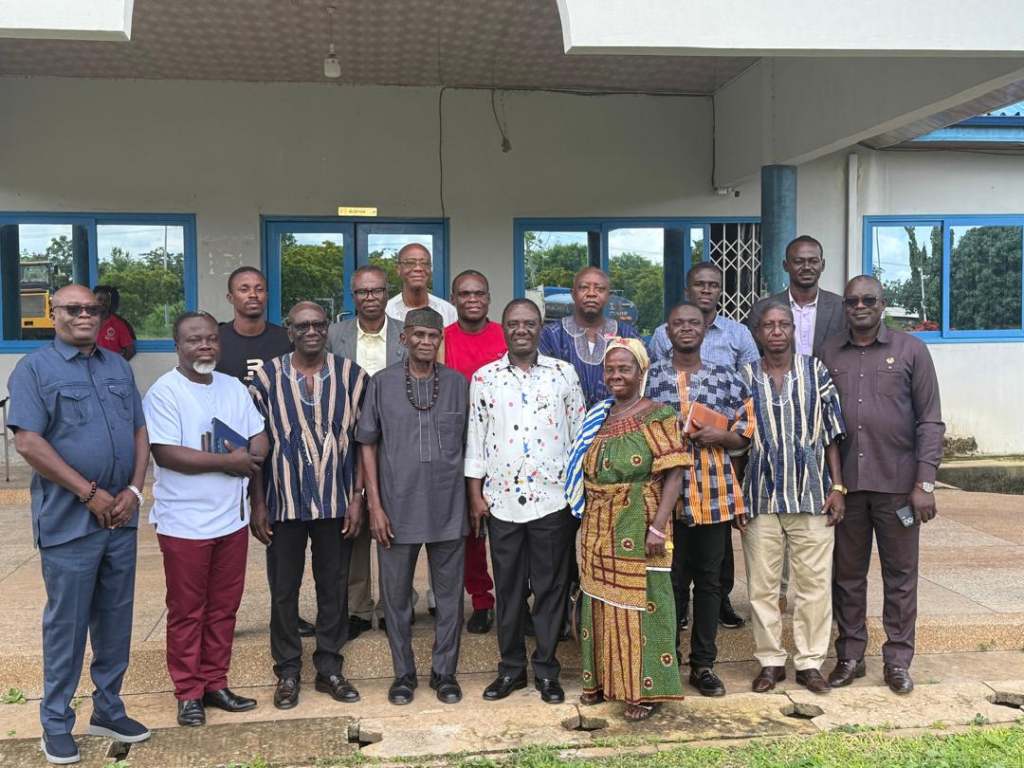
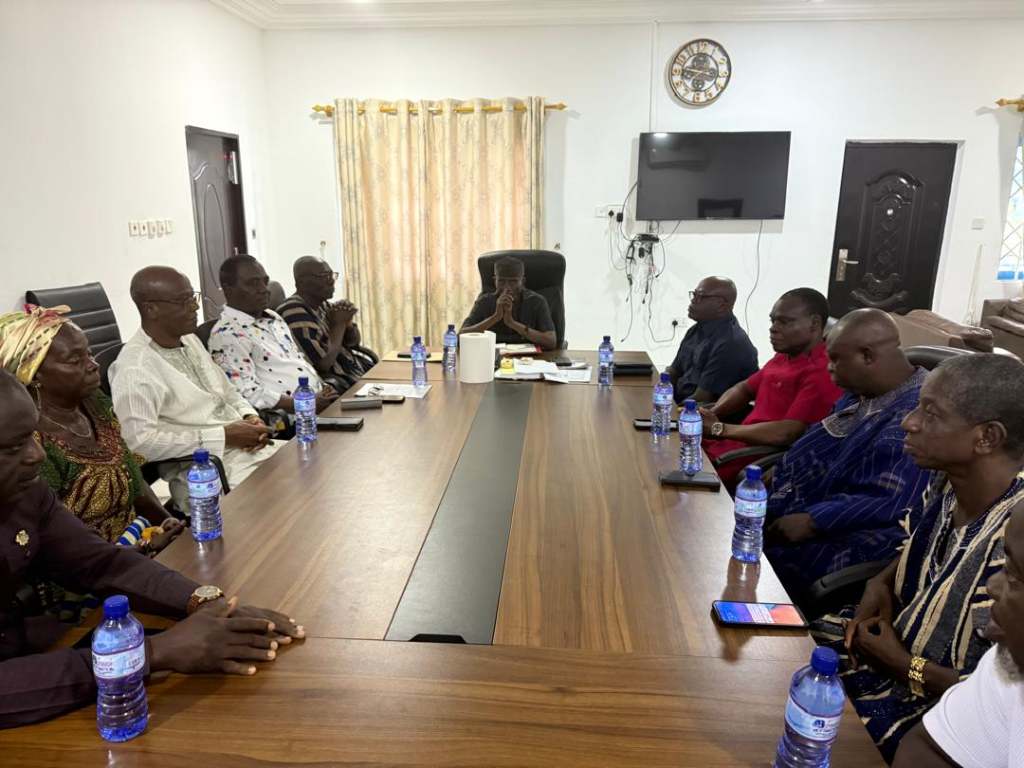
Dambai, Oti Region – The Nkwanta Peace Mediation Committee has paid a courtesy call on the Oti Regional Minister, Hon. John Kwadwo Gyapong, at the Oti Regional Coordinating Council (ORCC) in Dambai to formally introduce the Committee, present its concept paper, and seek the support and collaboration of the Regional Coordinating Council in its quest to restore lasting peace in Nkwanta.
Welcoming the delegation, Hon. John Kwadwo Gyapong commended the Committee for demonstrating patriotism and commitment by voluntarily coming together to champion peace through dialogue. He expressed confidence that the initiative represents a significant step towards finding a lasting solution to the protracted conflict in Nkwanta.
The Regional Minister noted that sustainable peace can only be achieved when those directly affected take ownership of the peace process while working collaboratively with government and other stakeholders. He praised the calibre of professionals, academics, opinion leaders, and retired public officers serving on the Committee, describing their willingness to serve as a testament to their dedication to the development of Nkwanta and the Oti Region.
Hon. Gyapong further disclosed that His Excellency President John Dramani Mahama remains deeply concerned about the recurring conflict in Nkwanta, emphasizing that the insecurity has negatively affected socio-economic development, education, commerce, and investment within the municipality and the Oti Region as a whole. He therefore assured the Committee of the full support of the Oti Regional Coordinating Council and pledged to work closely with all relevant stakeholders to facilitate the Committee’s work.
Earlier, the Committee, through its spokesperson, Mr. Sylvester Kwame Nkrumah, presented the Committee’s vision and objectives. He explained that the Nkwanta Peace Mediation Committee is an indigenous initiative comprising professionals, academics, intellectuals, opinion leaders, and retired public servants drawn from the Adele, Akyode, and Challa ethnic groups, with neutral mediators from the Ntrubo community facilitating the dialogue process.
According to Mr. Nkrumah, the Committee seeks to promote dialogue and mutual understanding among the three indigenous communities, facilitate trust-building and reconciliation, identify and address the root causes of the conflict through peaceful engagement, complement the efforts of government and other peace-building institutions, and promote peaceful coexistence to create an enabling environment for development and prosperity in Nkwanta.
He further indicated that the Committee has already engaged the Paramount Chiefs, Chiefs, and opinion leaders of the three communities and obtained their endorsement to lead the mediation process. He explained that the Committee has commenced structured engagements through dialogue and consultations and intends to develop a comprehensive peace roadmap that will be submitted to all relevant stakeholders for consideration and implementation.
The Committee appealed to the Regional Minister to officially recognise and endorse the initiative and support collaboration with key institutions, including the Regional Peace Council, the Regional Security Council (REGSEC), traditional authorities, the Nkwanta Municipal Assembly, religious bodies, and civil society organisations. The members reaffirmed their commitment to neutrality, inclusiveness, transparency, and respect for the laws of Ghana in executing their mandate.
During the interaction, representatives from the three ethnic groups serving as whips on the Committee each took turns to express their unwavering support for the initiative and pledged their commitment to promoting dialogue, reconciliation, and unity among their respective communities.
The meeting concluded with a renewed commitment by both the Oti Regional Coordinating Council and the Nkwanta Peace Mediation Committee to work collaboratively towards restoring lasting peace, stability, and sustainable development in Nkwanta.
The Regional Minister expressed optimism that, with the commitment demonstrated by the Committee and the collective support of all stakeholders, Nkwanta can once again become a model of peaceful coexistence and shared prosperity in the Oti Region.
Today, The Hon. Regional Minister, Hon. John Kwadwo Gyapong attended the Orientation and Capacity Building Programme for Islamic and Arabic Instructors under the Youth Employment Agency (YEA) and the Ghana Education Service (GES) at the Regional Coordinating Council Conference Hall.
He was delighted to interact with the instructors and commend them for their invaluable contribution to education and community development across the Oti Region. As Muslims constitute a significant proportion of the youth population in the region, Hon. Gyapong encouraged them to continue promoting peace, unity, tolerance, and social harmony in our communities. Oti is one family, and together we must safeguard the peace and stability that we enjoy.
He assured them of my commitment to maintaining a strong relationship with the association and promised that we would meet twice every year to discuss issues of mutual interest and development.
The Minister also humbly requested their prayers for the region, our people, and for me as we continue to work together for progress and prosperity.
As a demonstration of my support, He donated GH¢5,000 and 60 street lights to assist their activities and contribute to the development of their communities.
Together, we will continue to build a peaceful, united, and prosperous Oti Region.
The Oti Regional Minister was deeply honoured to join H.E. President John Dramani Mahama, the Commissioner of Police, His Excellency Most Rev. Julien Kabore (Apostolic Nuncio to Ghana), Most Rev. Simon Kofi Appiah, Bishop of the Jasikan Diocese, Most Rev. Gabriel Akwasi Ababio Mante, Bishop Emeritus, together with distinguished clergy, traditional authorities, and hundreds of faithful at the Papal Awards Ceremony of the Catholic Diocese of Jasikan.
The event was a fitting celebration of faith, sacrifice, and selfless service to God and humanity. The award recipients have demonstrated exceptional commitment to the Church and their communities, and their recognition is truly well deserved.
As Regional Minister, I commend the Catholic Church for its unwavering contributions to education, healthcare, peacebuilding, and the socio-economic development of the Oti Region and Ghana as a whole.
Congratulations to all the awardees. May their exemplary service continue to inspire others to work for the common good.
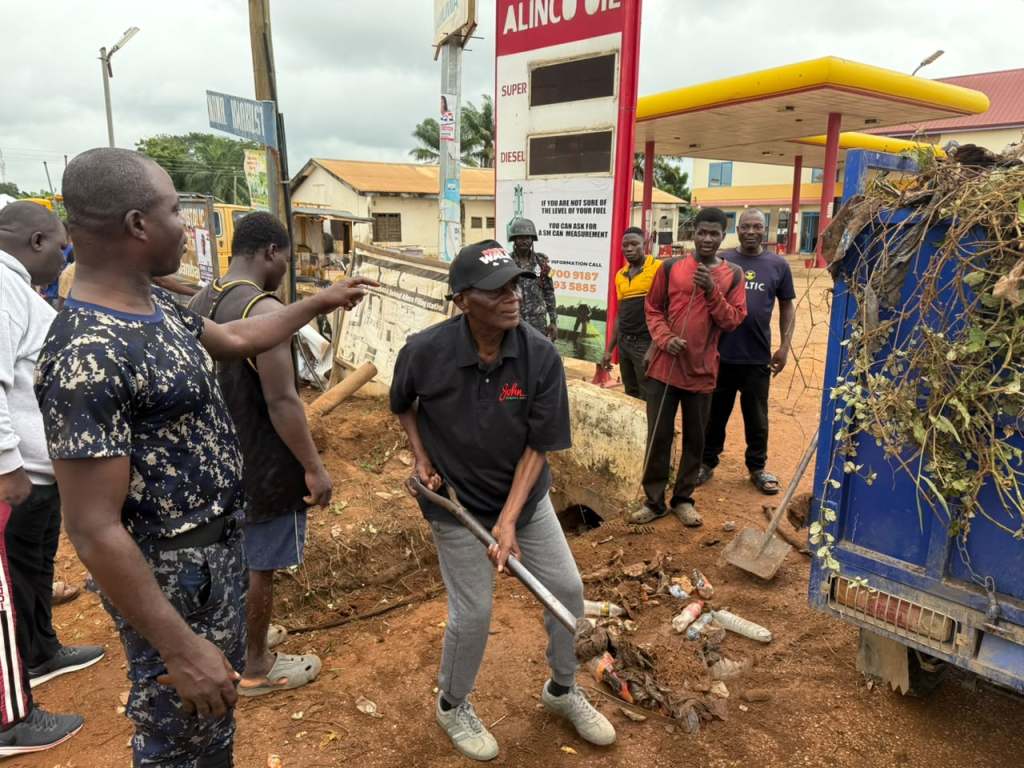
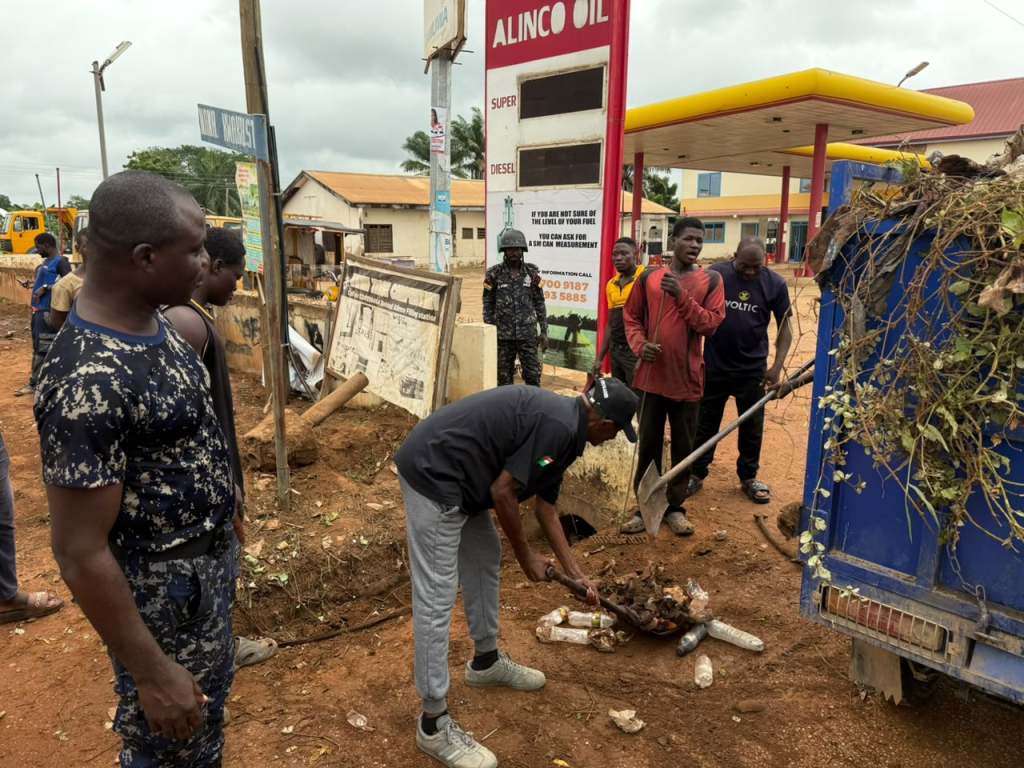
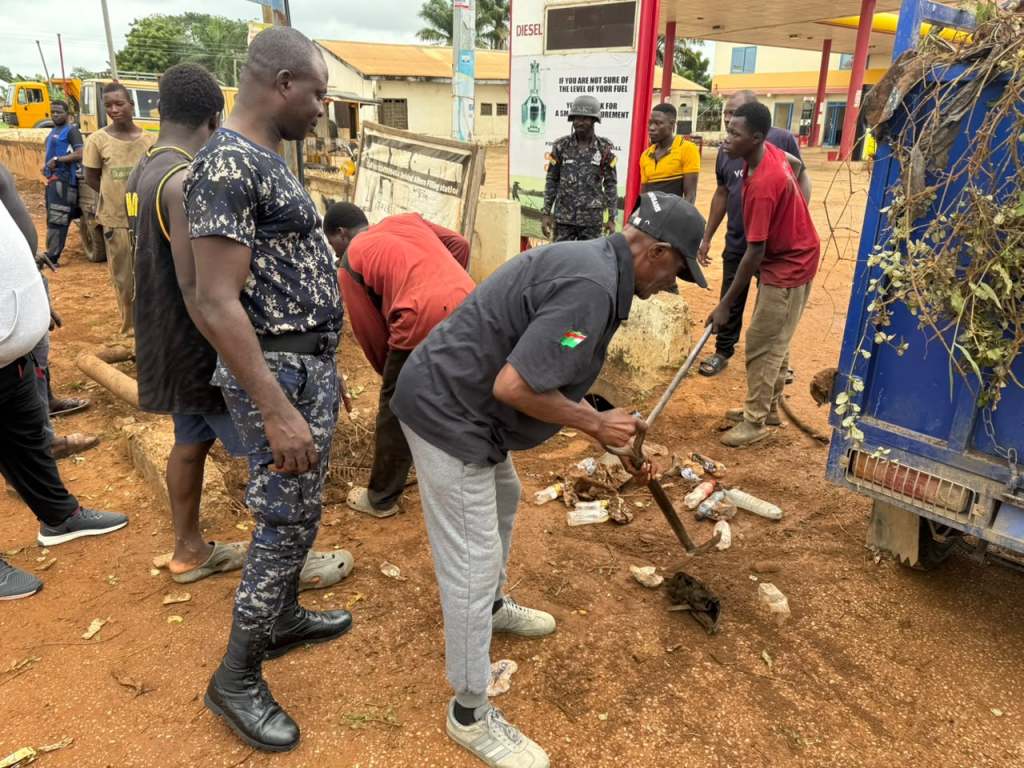
In line with the nationwide clean-up exercise declared by H.E. President John Dramani Mahama as part of the Reset agenda, the Oti Regional Minister joined the security services in Dambai, the Oti Regional Capital, to actively participate in the exercise and reaffirm our collective commitment to sanitation, public health, and environmental cleanliness.
As part of the exercise, He presented cleaning tools to the security services in Dambai to support their efforts and ensure the successful execution of the clean-up campaign. This gesture underscores the importance of partnership, discipline, and shared responsibility in building cleaner and healthier communities.
A clean environment is not only about beautifying our surroundings; it is a critical foundation for good health and improved living. By keeping our homes, streets, markets, and public spaces clean, we help prevent the spread of diseases, promote proper sanitation, and create a healthier future for our people. Good health begins with clean habits, clean surroundings, and a conscious commitment to protecting the environment.
Hon. Gyapong therefore call on all residents of the Oti Region to support this noble initiative and make cleanliness a daily responsibility, because together we can build a healthier, safer, and more dignified region for all.
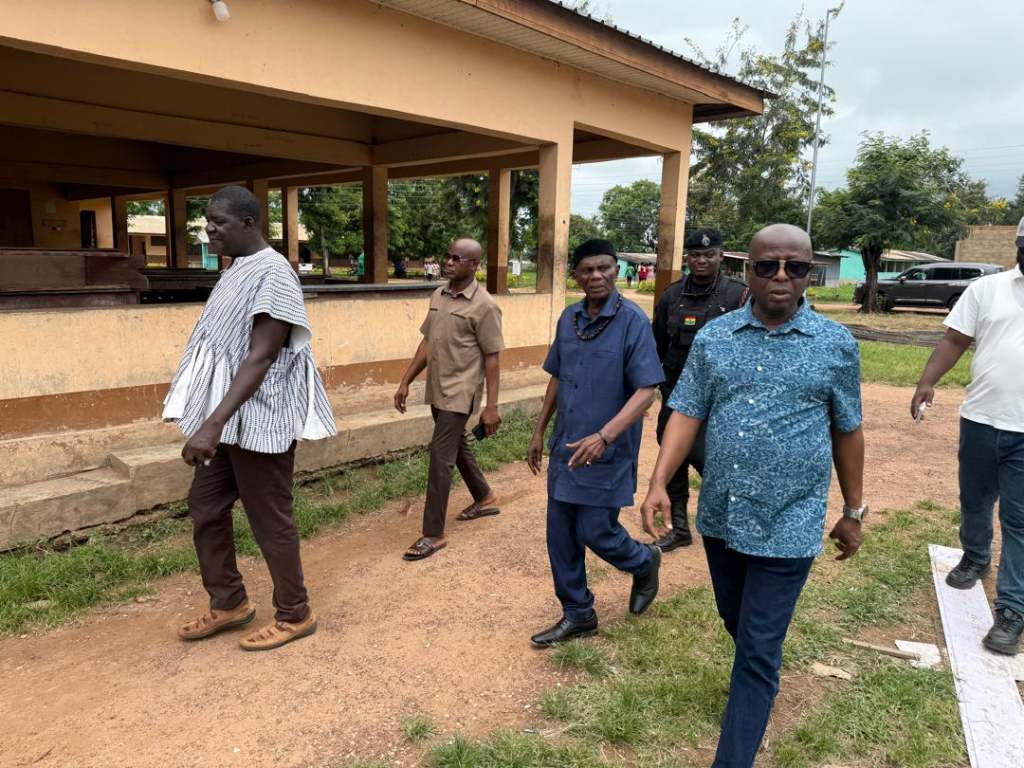
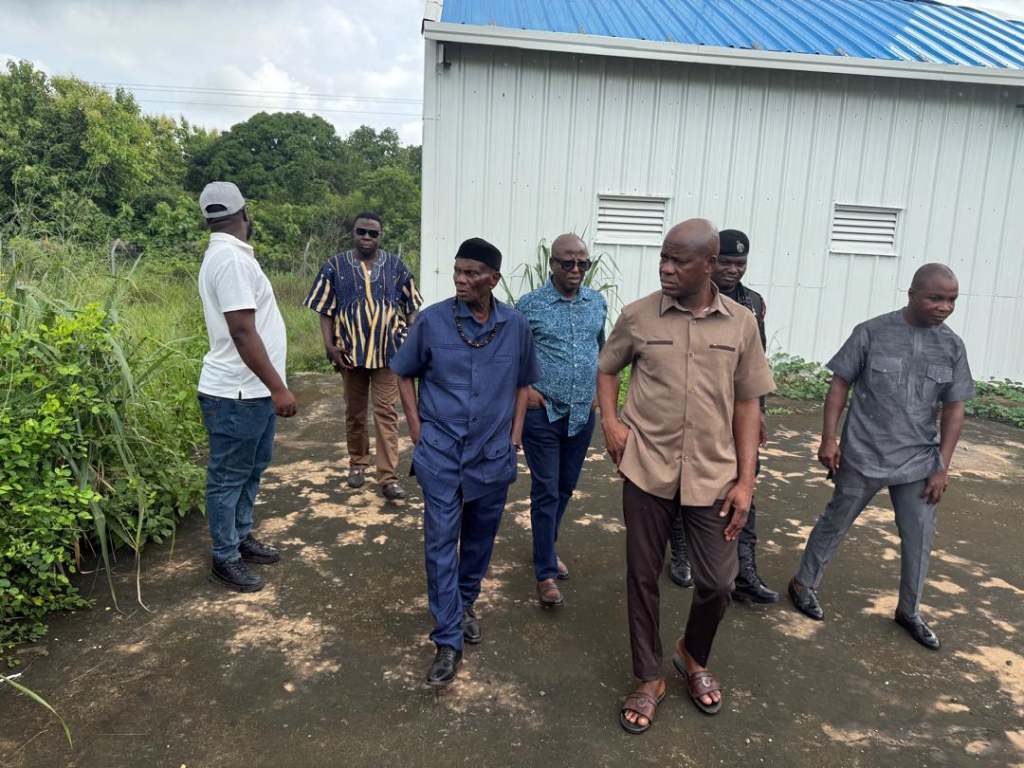
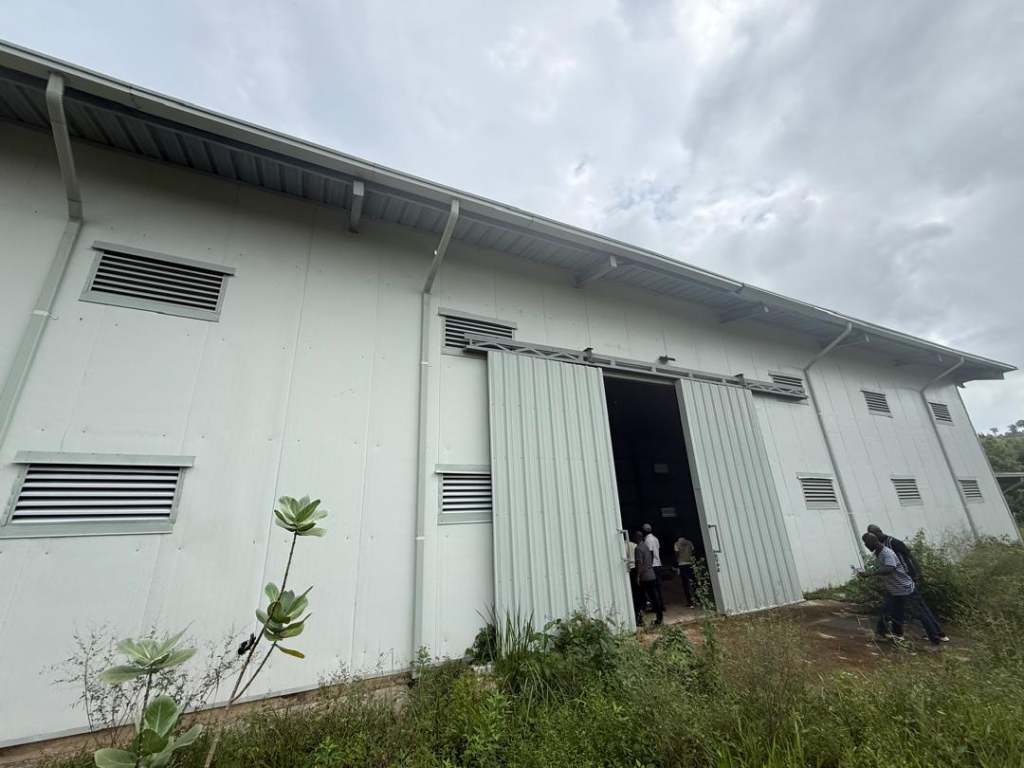
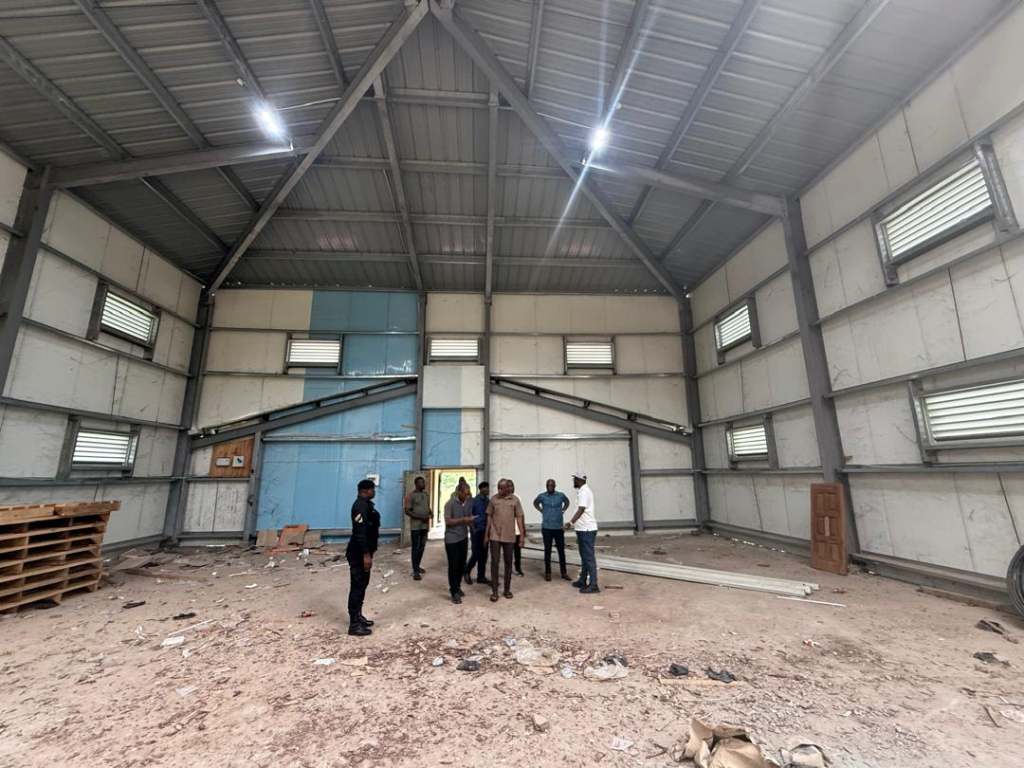
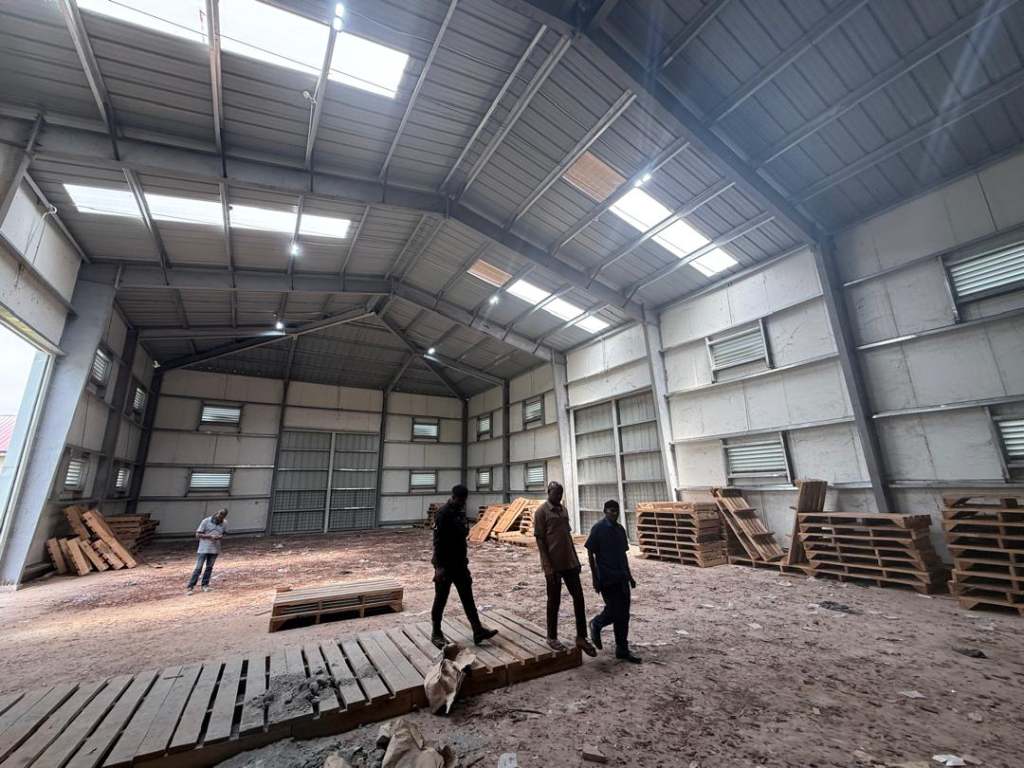
This morning the Oti Regional Minister, Hon. John Kwadwo Gyapong received the Chief Executive Officer of the National Buffer Stock Company, Mr. George Abradu Otoo, during his regional working tour. The purpose of his visit was to engage with stakeholders across various schools and institutions within the region to assess the effectiveness of Buffer Stock operations and identify any challenges related to food supply and distribution among beneficiary institutions.
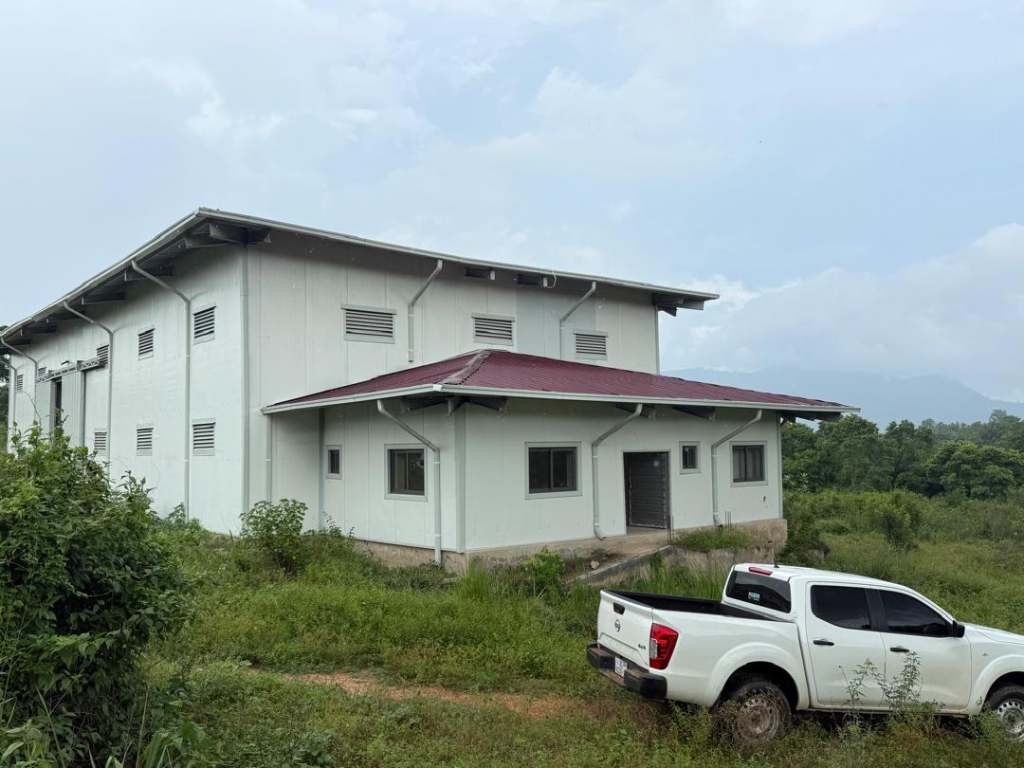
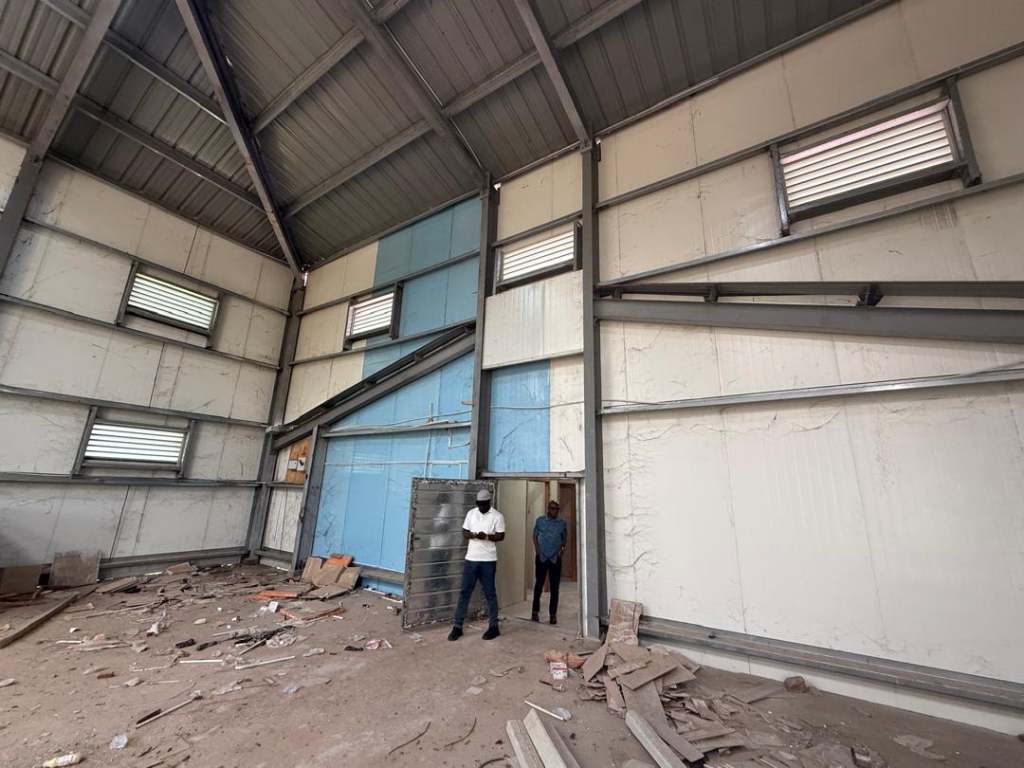
As part of his mission, the CEO sought to gain firsthand information on the availability and adequacy of food supplies provided to beneficiaries, particularly schools under the Buffer Stock Programme. He also visited warehouses and storage facilities to inspect and evaluate storage conditions, ensuring that supplies are properly managed and sufficient to meet the needs of beneficiaries.
During the tour, Mr. Otoo took the initiative to visit Oti Senior High Technical School and Worawora senior High school, where he inspected the school’s food stock and interacted with relevant authorities to understand their experiences and concerns. He subsequently visited the newly assigned regional office to assess its readiness and operational capacity.
The visit demonstrated the commitment of the National Buffer Stock Company to ensuring food security and efficient service delivery to beneficiary institutions. It also provided an opportunity to strengthen collaboration between the company and its stakeholders while addressing concerns on the ground.
The Minister strongly believe that the establishment and continued growth of the National Buffer Stock Company in the Oti Region will create significant opportunities for the people of the region. Beyond enhancing food security, it has the potential to promote economic growth, create employment opportunities, support local farmers, and contribute to the overall development of the region.
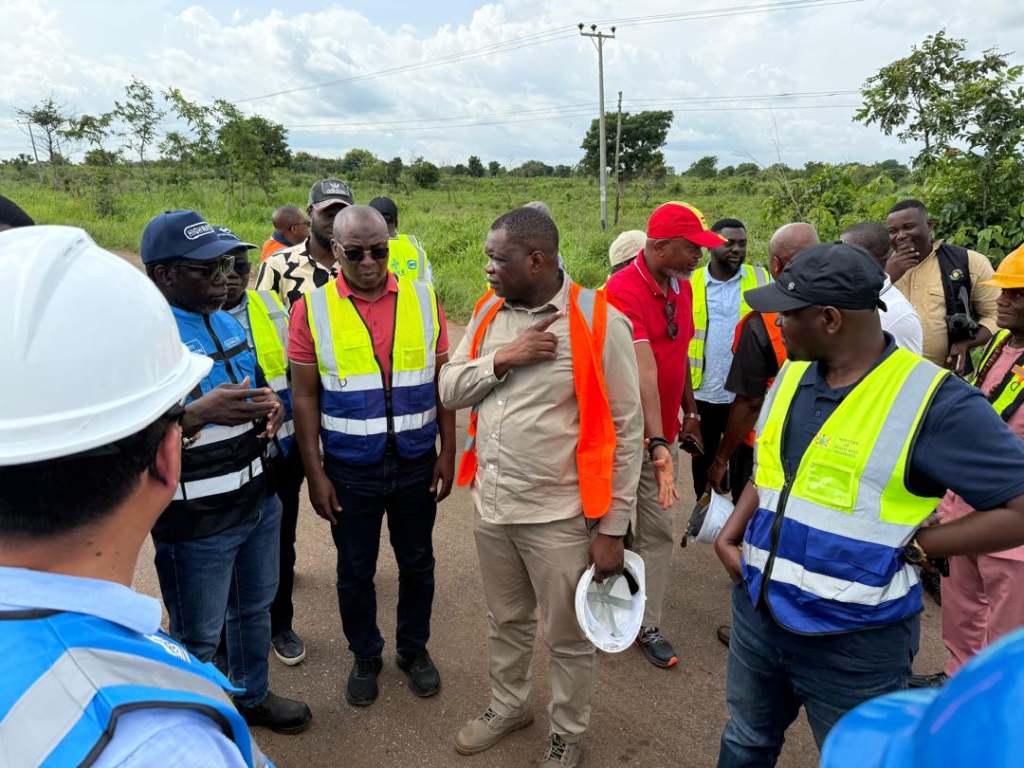
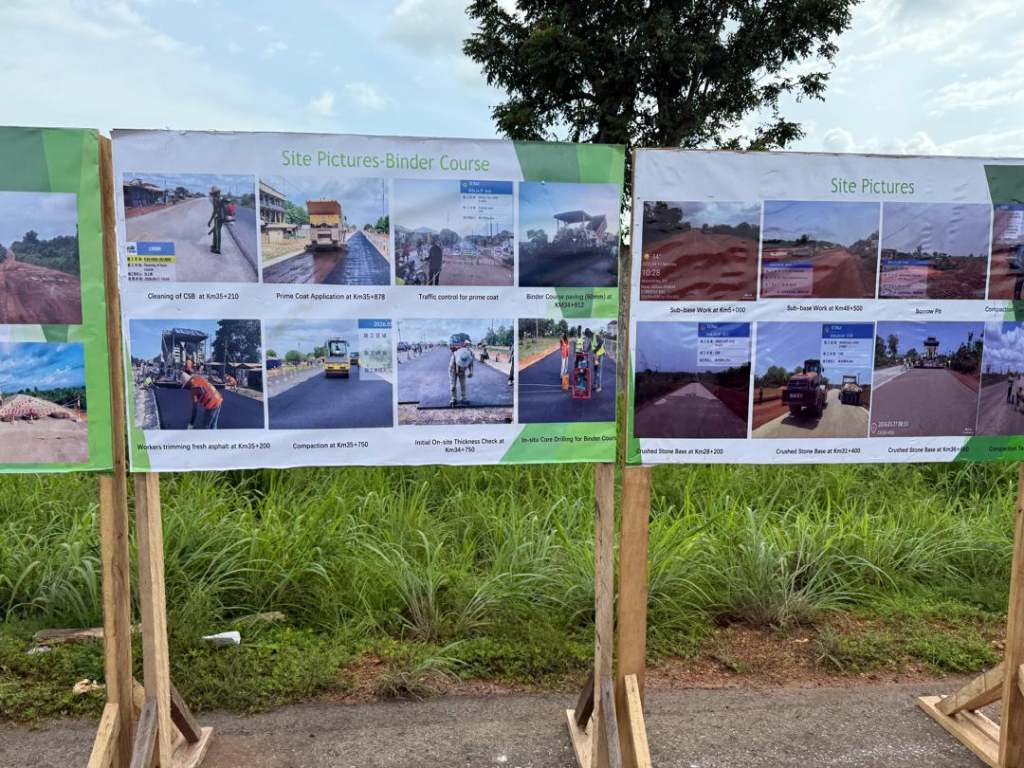
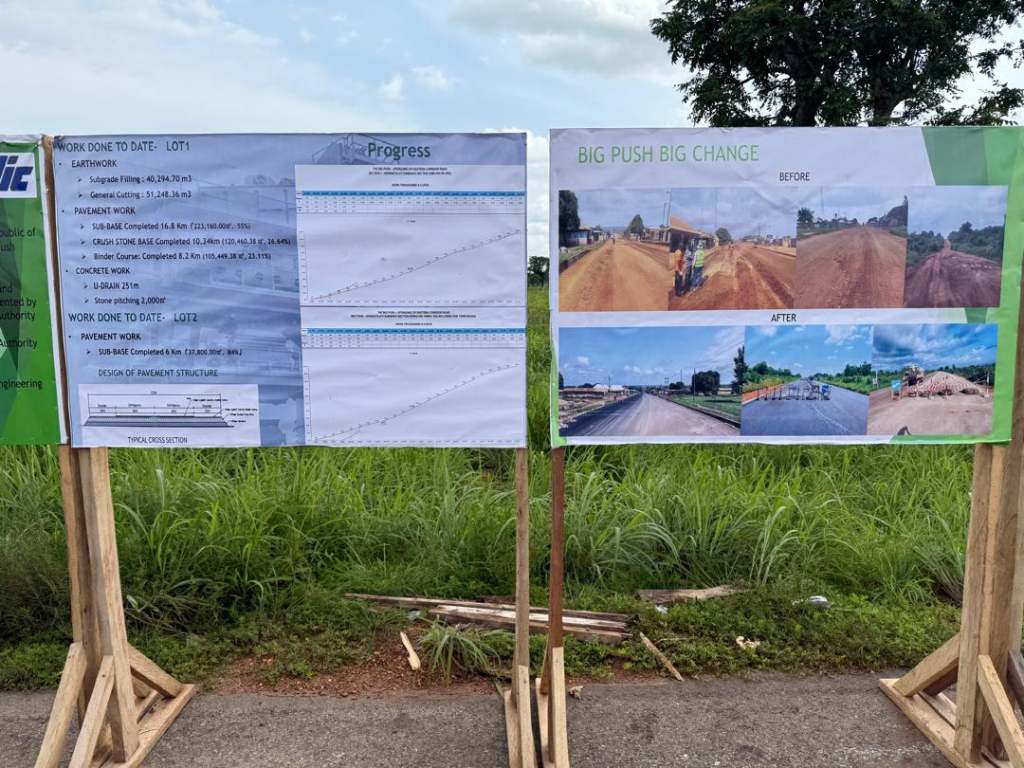
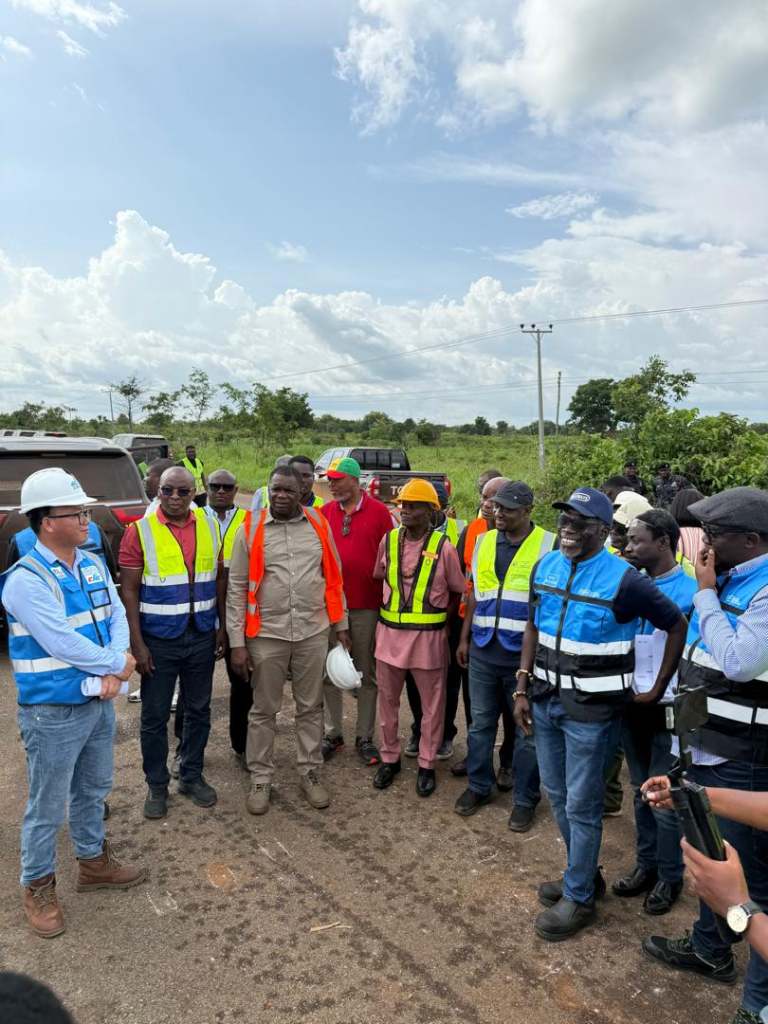
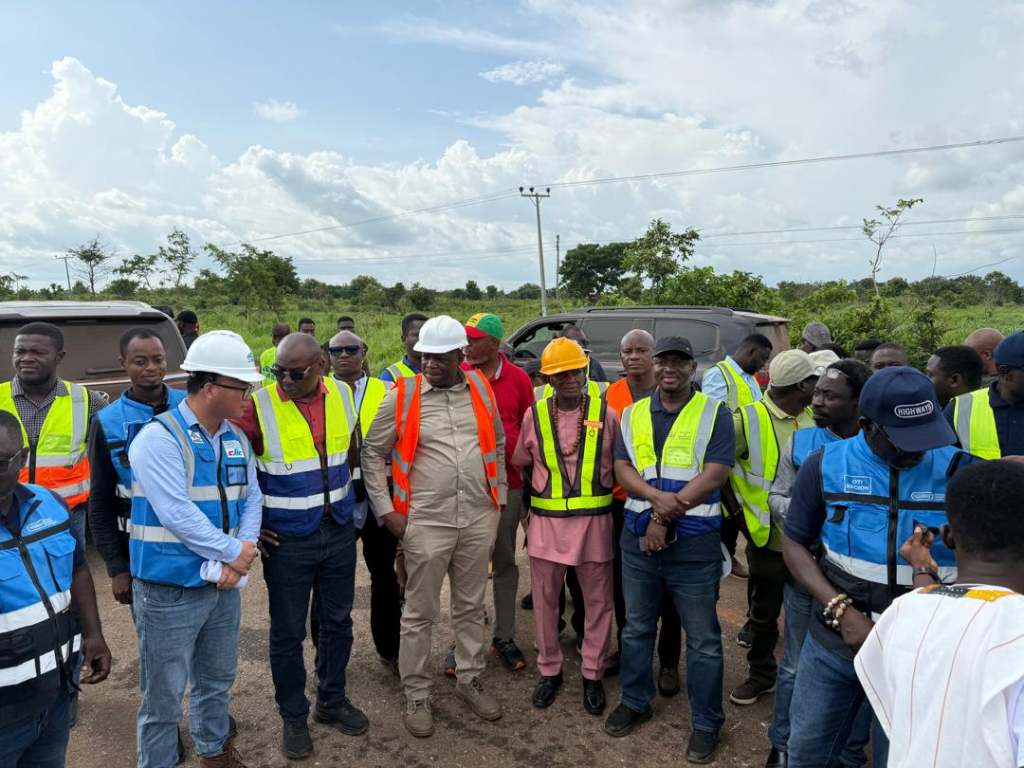
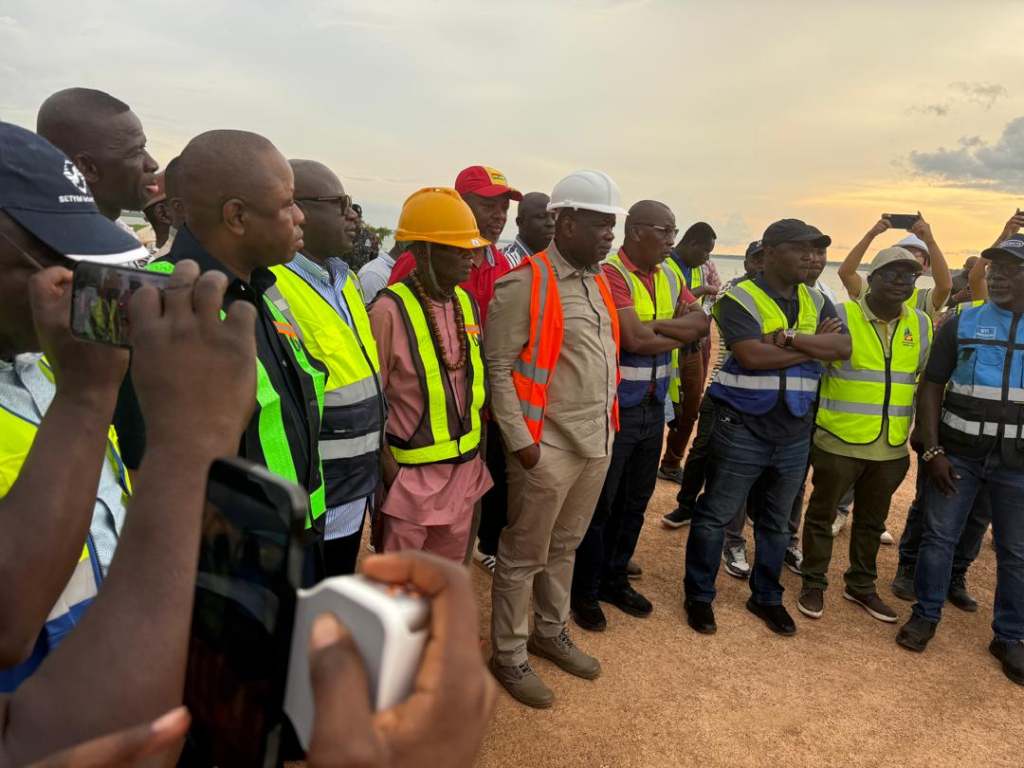
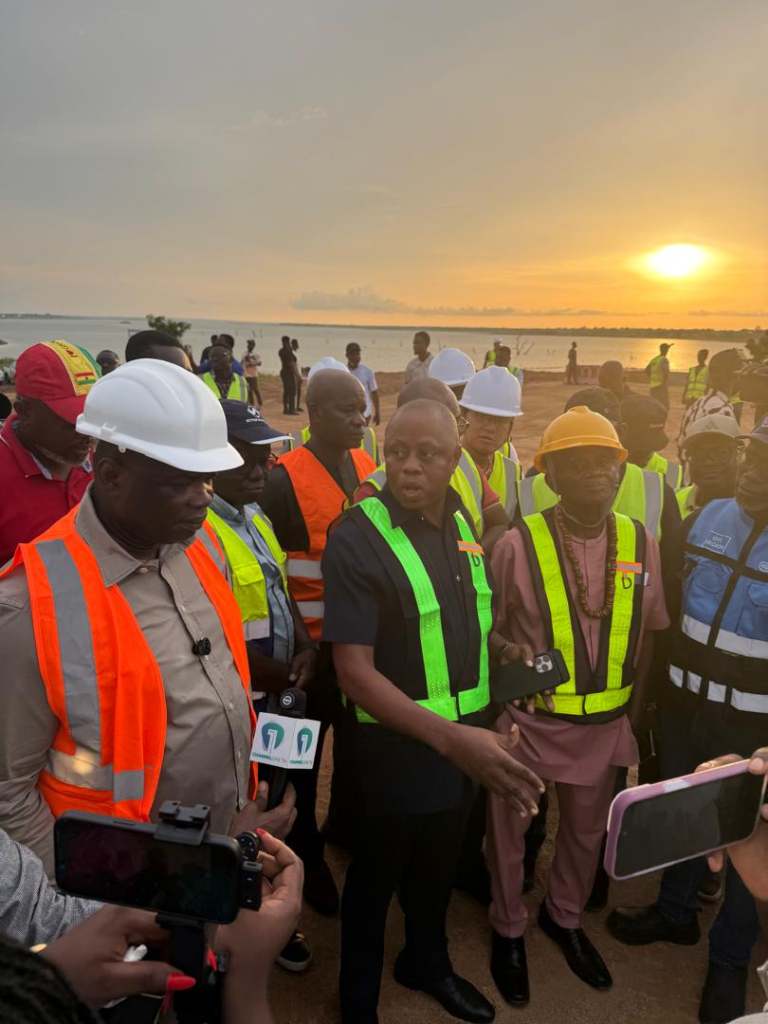
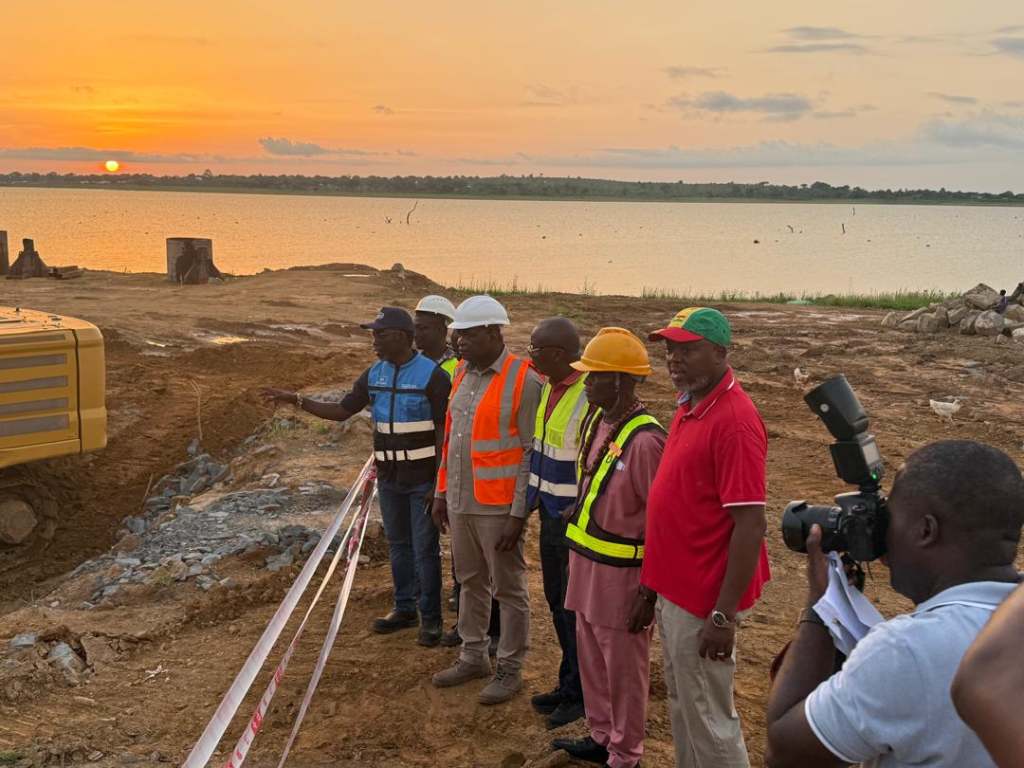
As part of Government’s unwavering commitment to infrastructure development under H.E. John Dramani Mahama’s transformative Big Push Agenda, the Minister for Roads Hon. Kwame Governs Agbodza and Highways paid a working visit to the Oti Region to inspect ongoing road projects aimed at improving connectivity and accelerating socio-economic growth in the area.
During the tour, the Minister visited sections of the Big Push road projects to assess the progress of work, engage contractors on timelines, and ensure that quality standards are being strictly adhered to. The visit formed part of Government’s broader effort to deliver durable road infrastructure that will ease transportation challenges and enhance access to farming communities, markets, schools, and health facilities across the region.
The Minister also inspected the ongoing construction of the iconic Oti Bridge, a flagship project expected to transform transportation in the region and strengthen trade and movement of people and goods across the Oti enclave. The inspection underscores Government’s resolve to fast-track the completion of critical infrastructure projects that will open up the region for investment, commerce, and development.