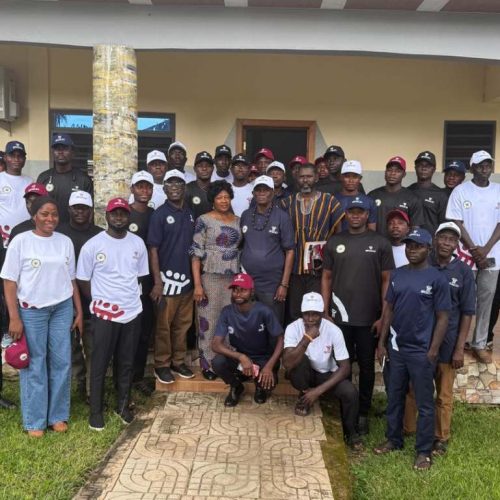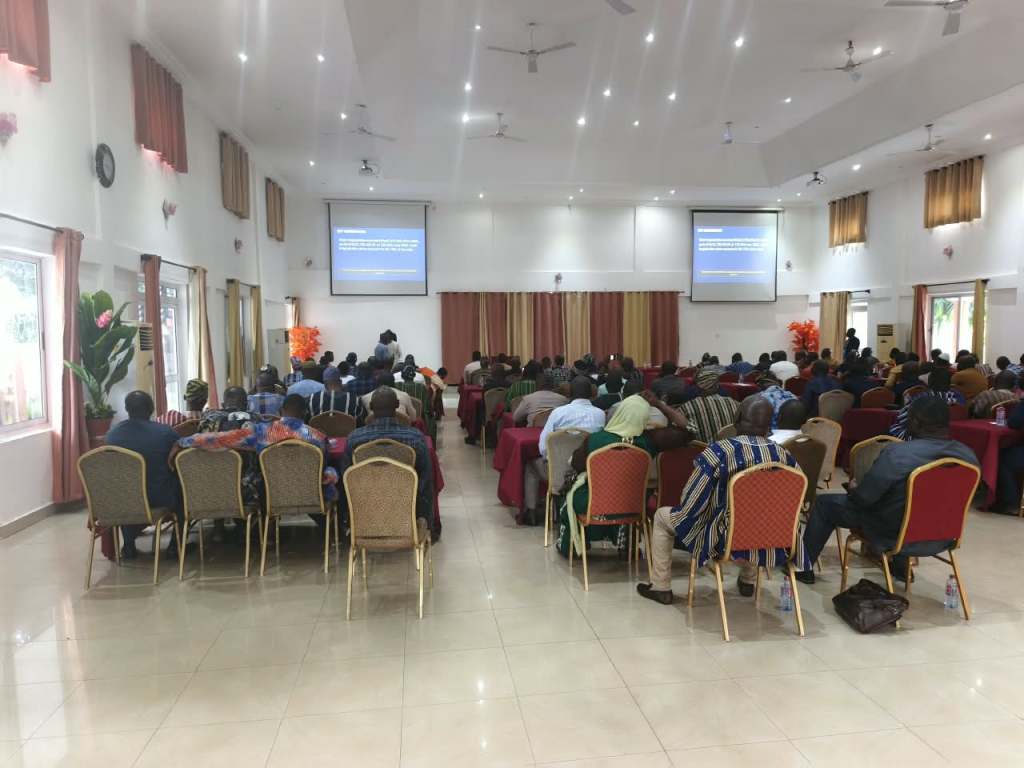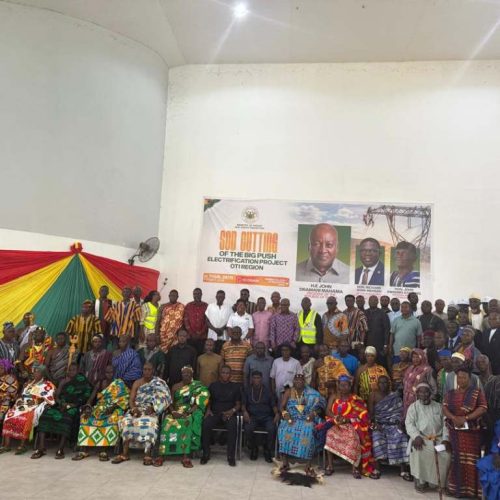
Nkwanta South, Oti Region – The Oti Regional Minister today participated in the Nkwanta South Town Hall Meeting, where the Municipal Chief Executive (MCE) for Nkwanta South, Hon. Joseph Awal, rendered an account of his stewardship and achievements over the past nineteen months.
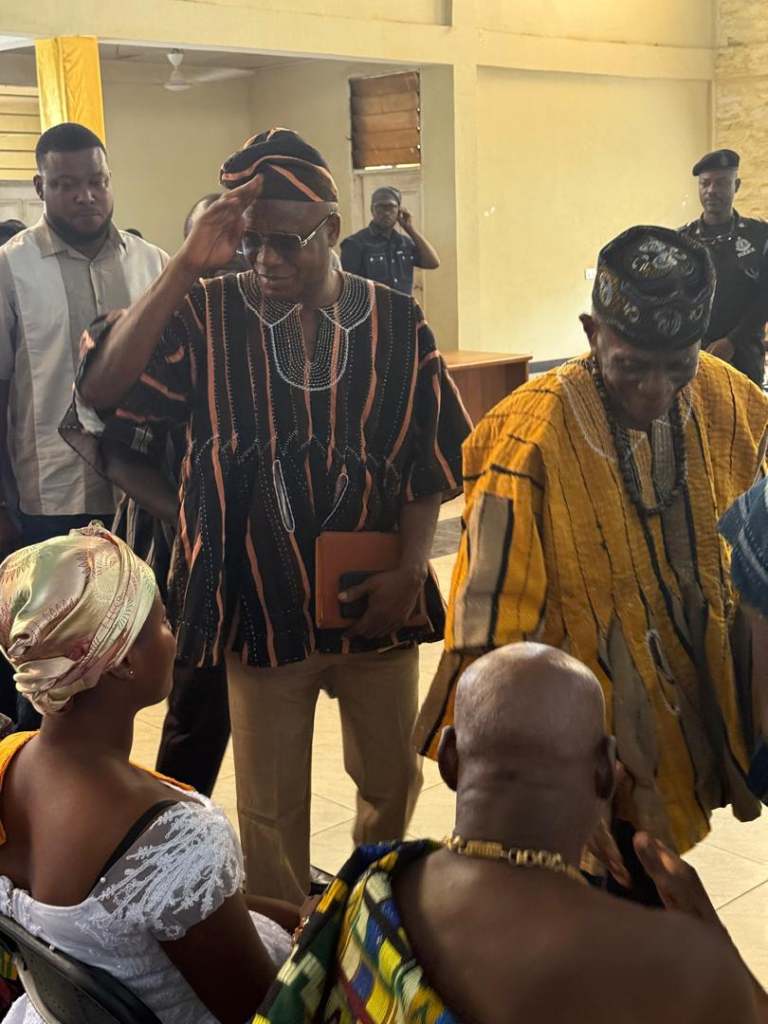
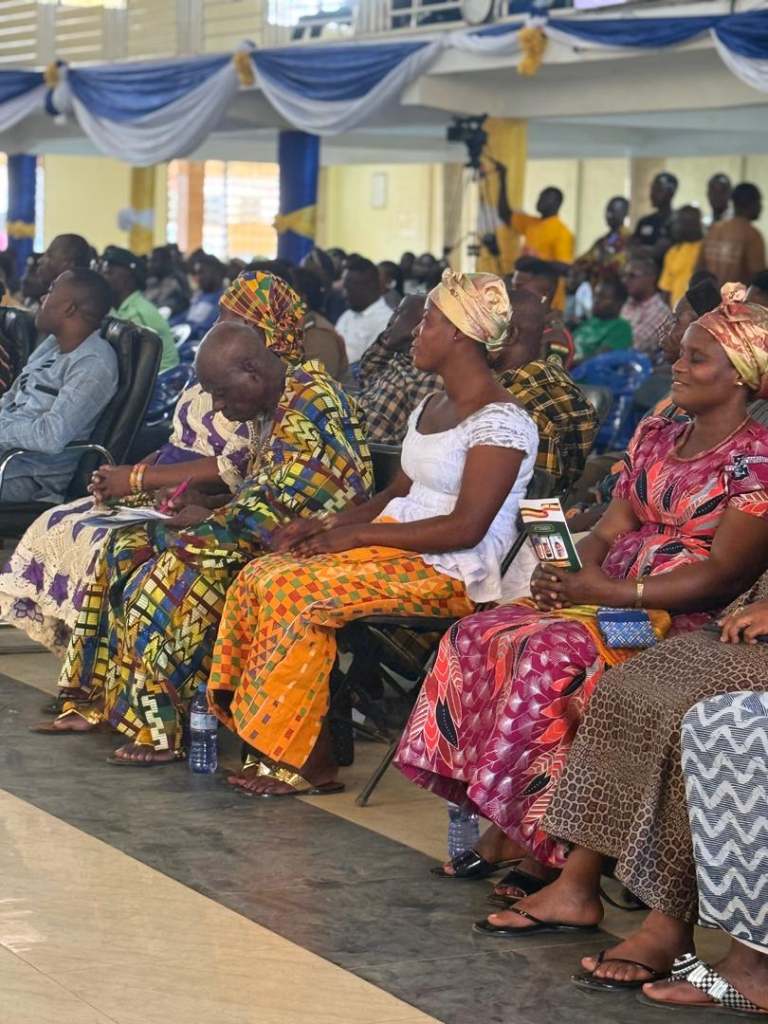
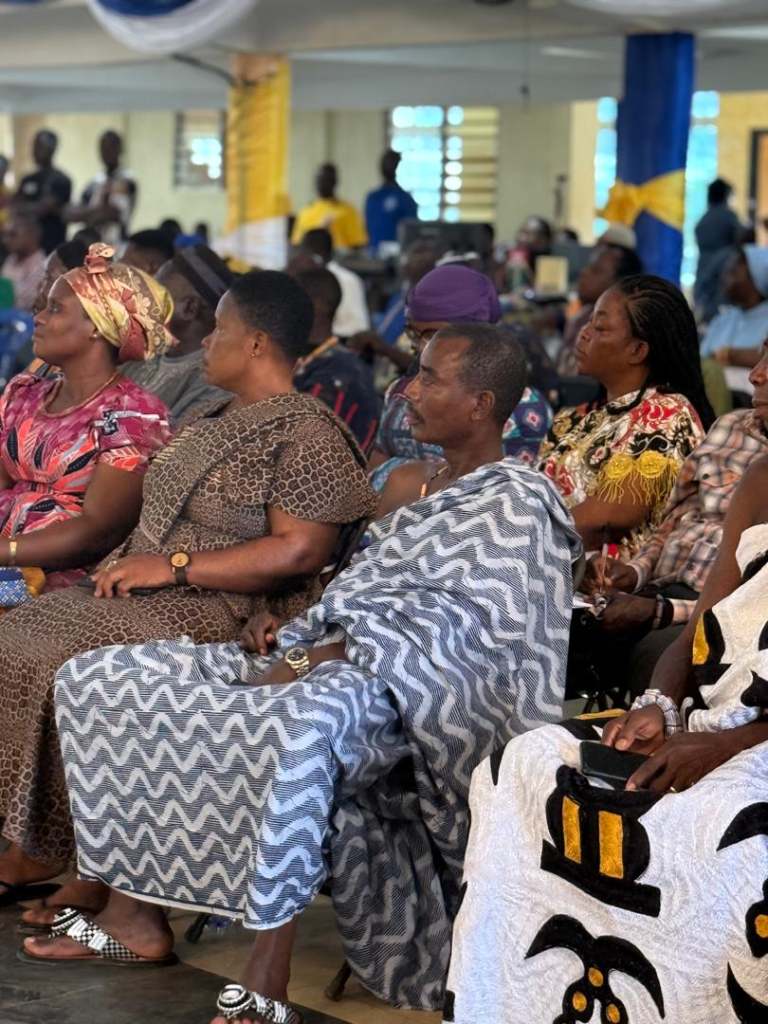
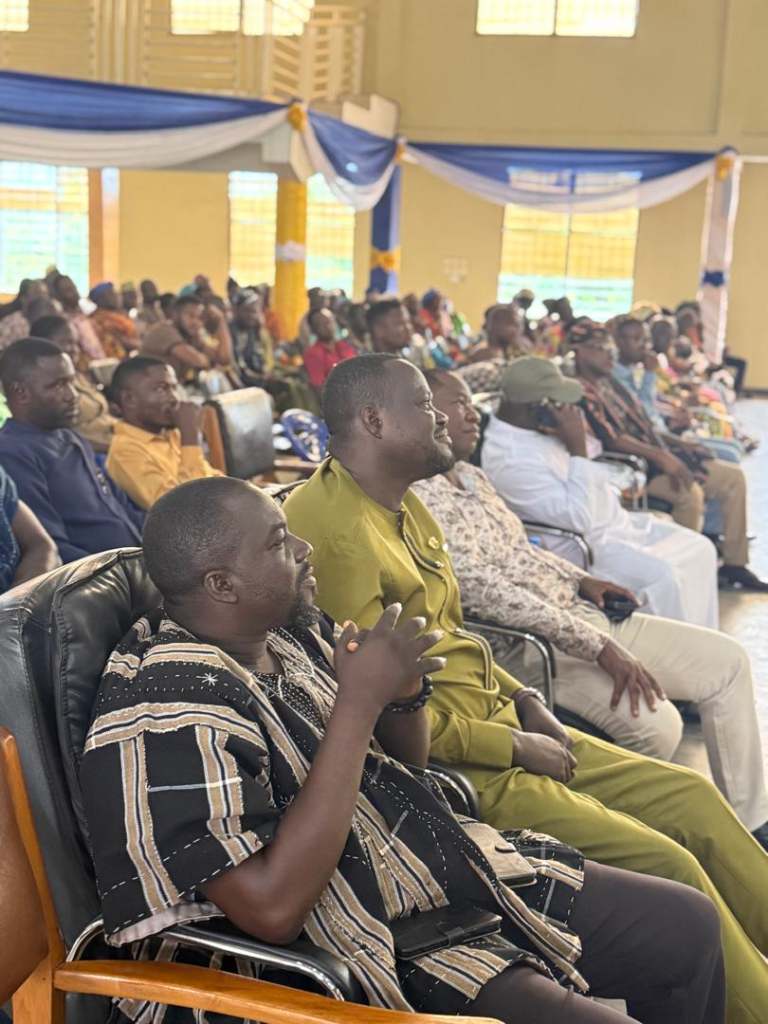
The event, held under the theme “Accounting to the People: A Step Towards Peace and Development,” brought together traditional authorities, assembly members, religious leaders, opinion leaders, youth groups, and members of the public to facilitate dialogue on governance, development and accountability.
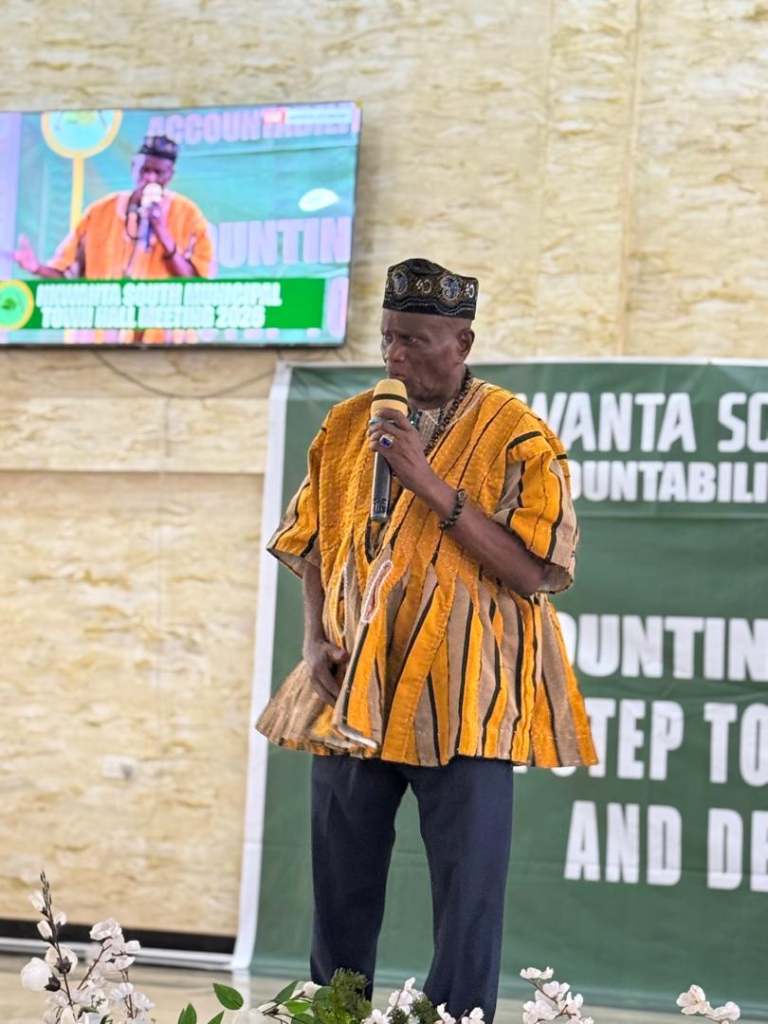
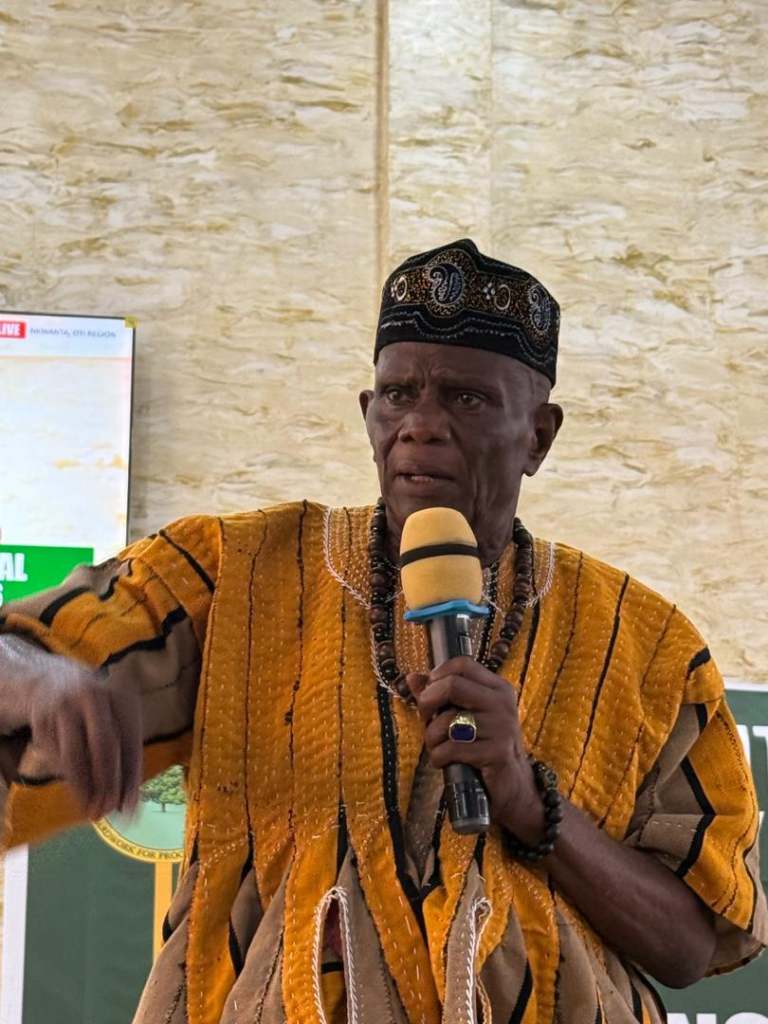
In his remarks, the Regional Minister commended the Municipal Assembly for providing a platform that promotes transparency, citizen participation and direct engagement between government and the people. He noted that democratic governance thrives when citizens are informed about government policies, actively participate in decision-making processes, and are provided opportunities to hold public officials accountable.
The Minister emphasized that accountability goes beyond reporting projects and programmes. According to him, it strengthens the social contract between government and citizens by ensuring that public resources are managed responsibly and that development interventions deliver tangible benefits to communities.
Touching on the development prospects of the Oti Region, the Minister described the region as one of immense potential, endowed with fertile agricultural lands, abundant natural resources, thriving fishing communities, tourism opportunities and a hardworking population. He observed that although inadequate infrastructure and investment had previously constrained growth, recent government interventions are beginning to create new opportunities for development across the region.
He highlighted ongoing investments in roads, bridges, agriculture, healthcare, education, markets, telecommunications and security infrastructure, stating that these interventions form part of Government’s broader strategy to accelerate socioeconomic transformation in the region.
The Minister acknowledged that challenges remain in critical sectors, including infrastructure, healthcare, education, water and sanitation, employment and economic empowerment. However, he stressed the need for residents to recognize the progress being made while continuing to support efforts aimed at addressing development gaps.
On agriculture, he described the sector as the backbone of the regional economy, particularly in districts such as Nkwanta South, Nkwanta North, Krachi West and Krachi Nchumuru, which continue to contribute significantly to Oti’s reputation as the yam basket of Ghana.
He reiterated the need to transition from agricultural production to commercialization through value addition, processing, storage and improved market access. He further highlighted Government’s Nkoko Nkitinkiti Programme, which seeks to promote poultry production and provide alternative income opportunities for farmers and young people through the distribution of day-old chicks.
The Minister also underscored ongoing irrigation initiatives in areas such as Bumbula and Katanga, aimed at reducing dependence on rainfall and supporting all-year-round farming to boost food production and economic growth.
As part of efforts to stimulate trade and entrepreneurship, the Minister disclosed that all nine Municipal and District Assemblies in the Oti Region have awarded contracts under the Government’s 24-Hour Economy Markets Programme. The initiative is expected to create opportunities for traders, farmers, artisans, transport operators, food vendors and young entrepreneurs, while enhancing economic activity across the region.
In the healthcare sector, the Minister highlighted notable improvements in maternal and child health indicators. He disclosed that skilled deliveries increased from 67.54 percent in the first half of 2025 to 70.93 percent in the first half of 2026, exceeding the national target, while neonatal mortality declined from 2.22 percent to 1.21 percent during the same period.
He also commended the Ghana Health Service, development partners and the Regional Coordinating Council for their collaborative efforts in strengthening healthcare delivery, including specialized training programmes for midwives in emergency obstetric and neonatal care.
The Minister further announced that all nine Municipal and District Assemblies in the Oti Region are currently benefiting from the Government’s Free Primary Healthcare Programme, which was recently launched in Dambai by the Minister for Health.
Additionally, he expressed optimism about the planned Oti Regional Hospital Project in Dambai, revealing that over 100 acres of land have been secured for the facility. The project is expected to significantly improve access to specialized healthcare services and reduce referrals outside the region.
On education, the Regional Minister emphasized the importance of investing in human capital development. He welcomed discussions captured in the 2026 National Budget regarding the establishment of a public university and a technical university in the Oti Region, describing them as strategic opportunities for expanding access to higher education and skills development.
He also highlighted ongoing GETFund projects across various second-cycle institutions aimed at improving educational infrastructure and learning outcomes.
Addressing the issue of peace and security, the Minister described peace as the most critical prerequisite for development, particularly in Nkwanta. He observed that the Nkwanta conflict has negatively affected businesses, education, agriculture and livelihoods, while slowing development and discouraging investment.
Despite these challenges, he stressed that Nkwanta’s identity should not be defined by conflict. Rather, he described the municipality as the economic and commercial heartbeat of the Oti Region, with significant potential for growth and prosperity.
The Minister commended the efforts of the Regional Security Council, security agencies, traditional authorities, religious leaders, community leaders and the Nkwanta Peace Mediation Committee for their continuous work in promoting peace, dialogue and reconciliation.
He called on residents, particularly the youth, to reject violence and work collectively towards sustaining peace, emphasizing that lasting peace can only be achieved through the active participation and commitment of all stakeholders.
Concluding his address, the Minister reiterated that development is a shared responsibility between government and citizens. While government remains committed to accountability, effective service delivery and responsive governance, he urged citizens to contribute meaningfully to the development of their communities by upholding their civic responsibilities and supporting peacebuilding efforts.

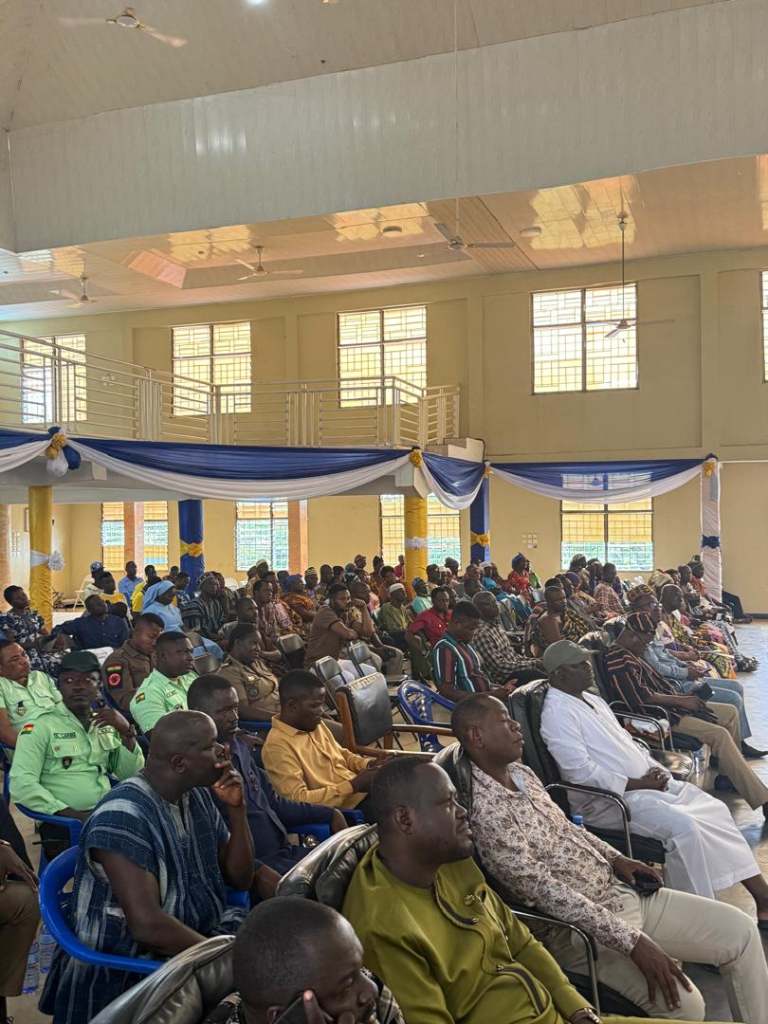
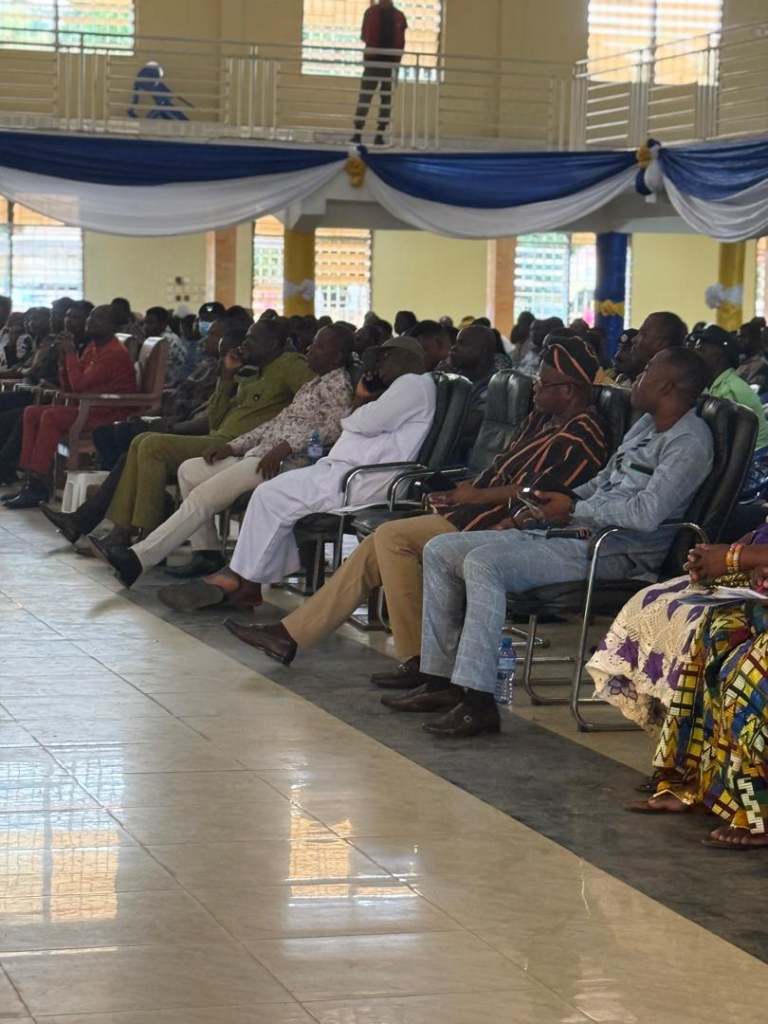
He reaffirmed his commitment to ensuring that Municipal and District Assemblies continue to strengthen planning, implementation and accountability mechanisms to deliver improved services and development outcomes for the people of Oti. The Minister expressed confidence that, with unity, peace and collective commitment, the Oti Region will continue to make significant strides towards sustainable growth and transformation.