OTI DOC COMMEMORATES NATIONAL CHILDREN DAY PUSH TO BREAK ‘EFIE ASEM’ SYNDROME
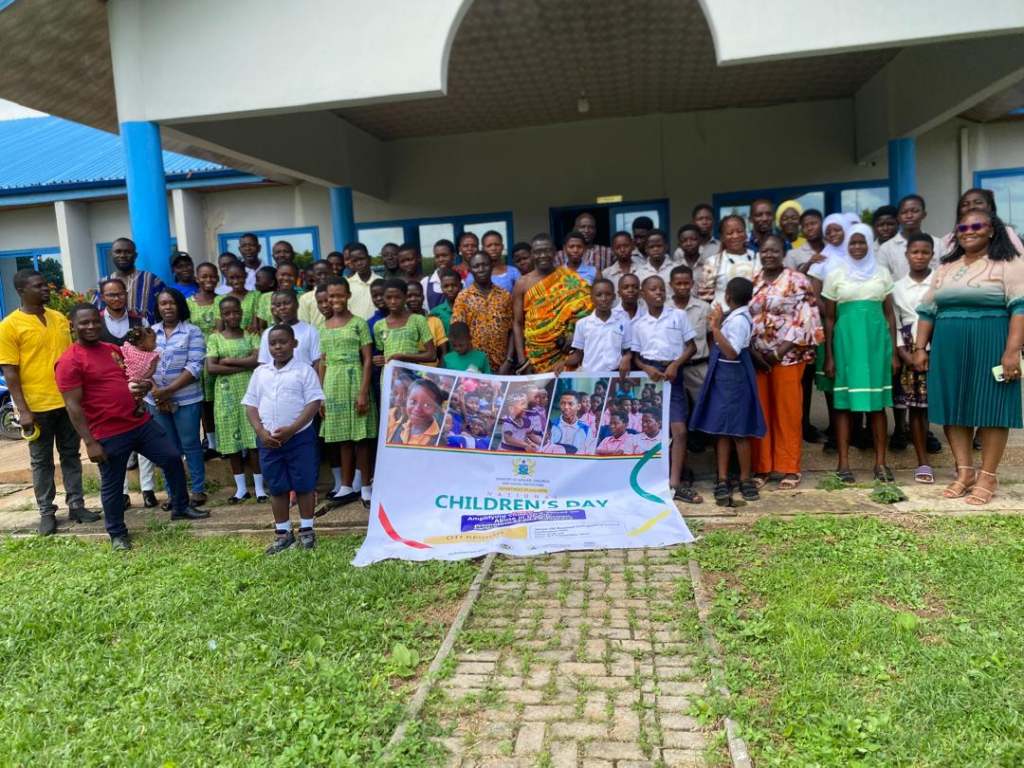
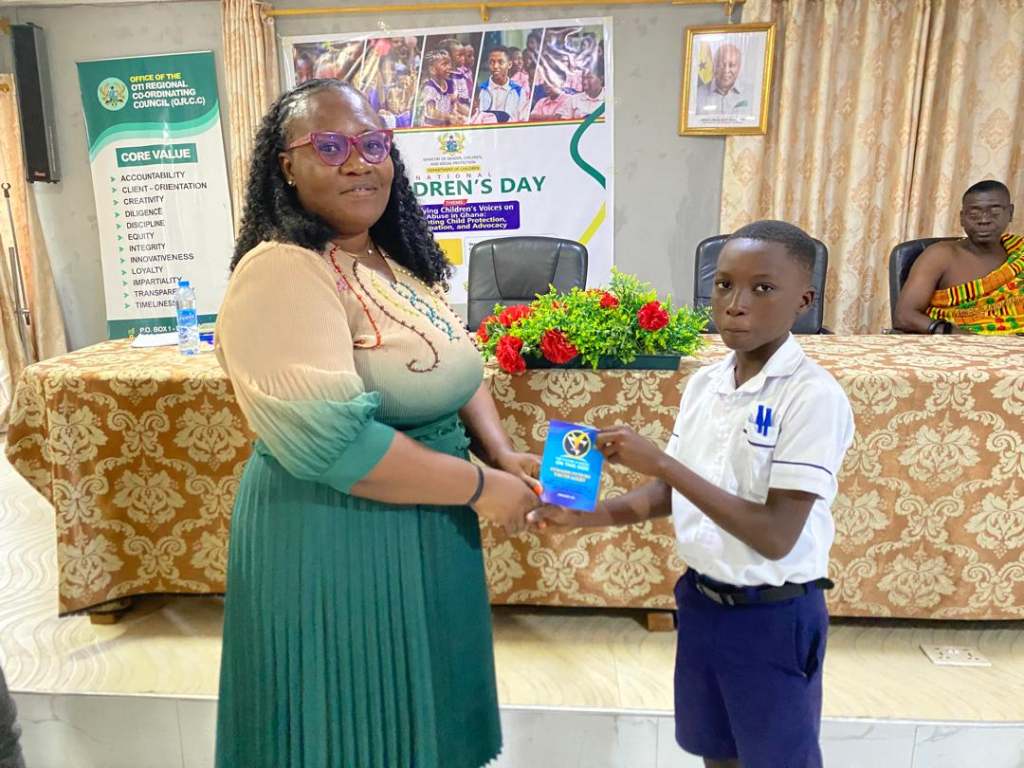
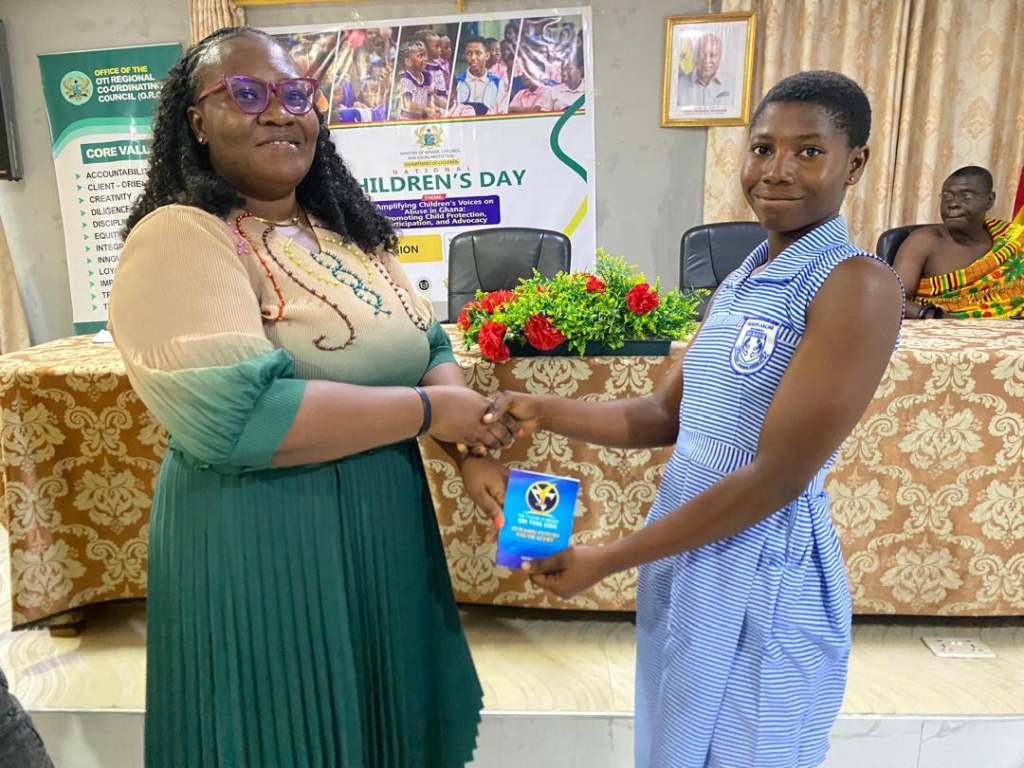
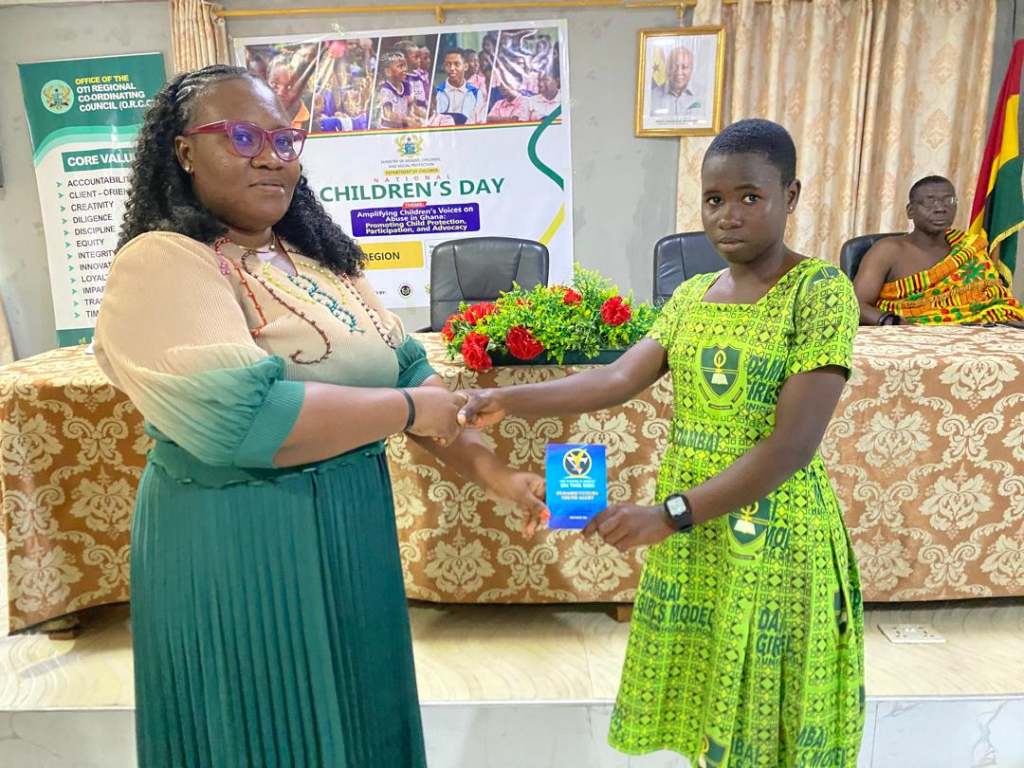
The Oti Regional Department of Children (DoC) on Thursday September 3, 2026 organised an event to mark the commemoration of the National Children’s Day in Dambai and pledge to bring the end the mantra of “efie asem” predominantly used by parents to silent children from reporting abuses mated out on them.
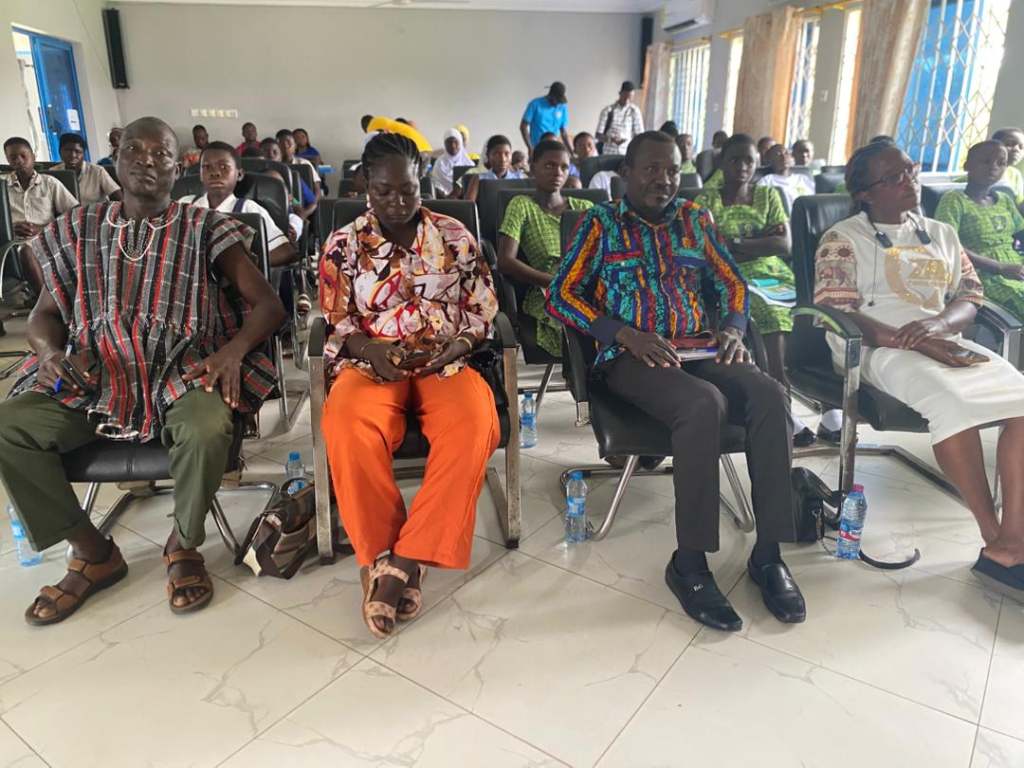
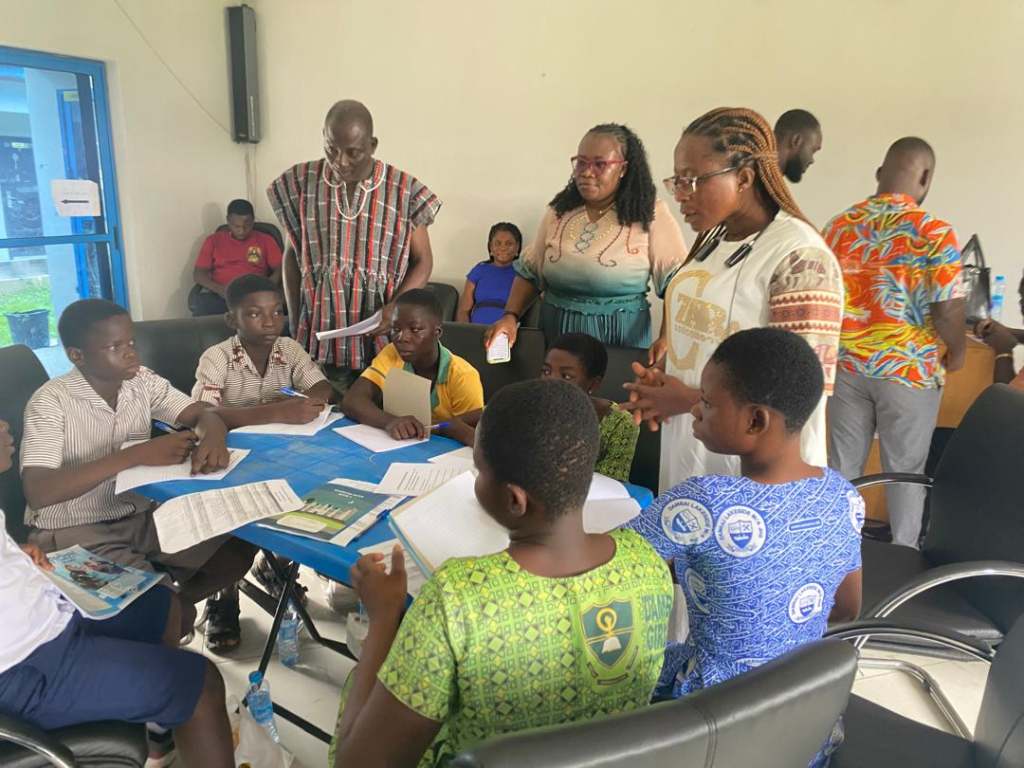
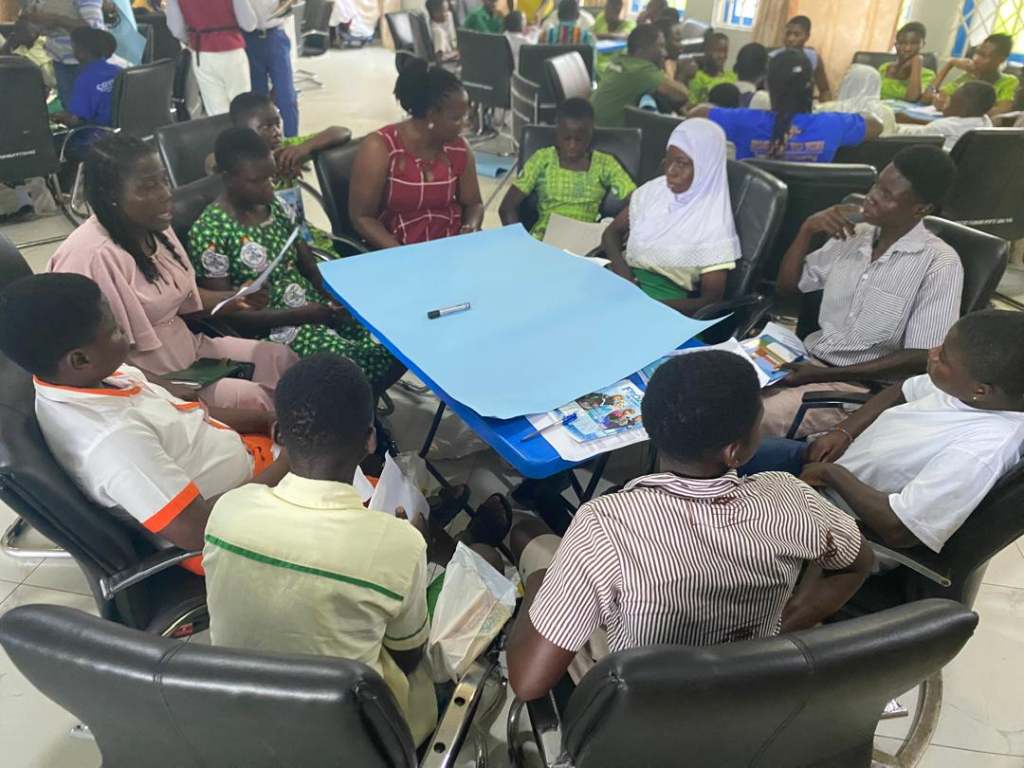
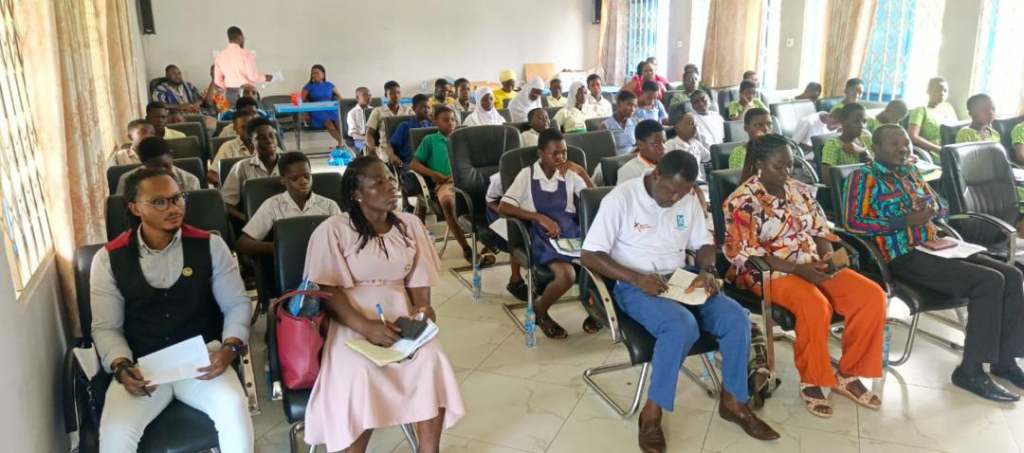
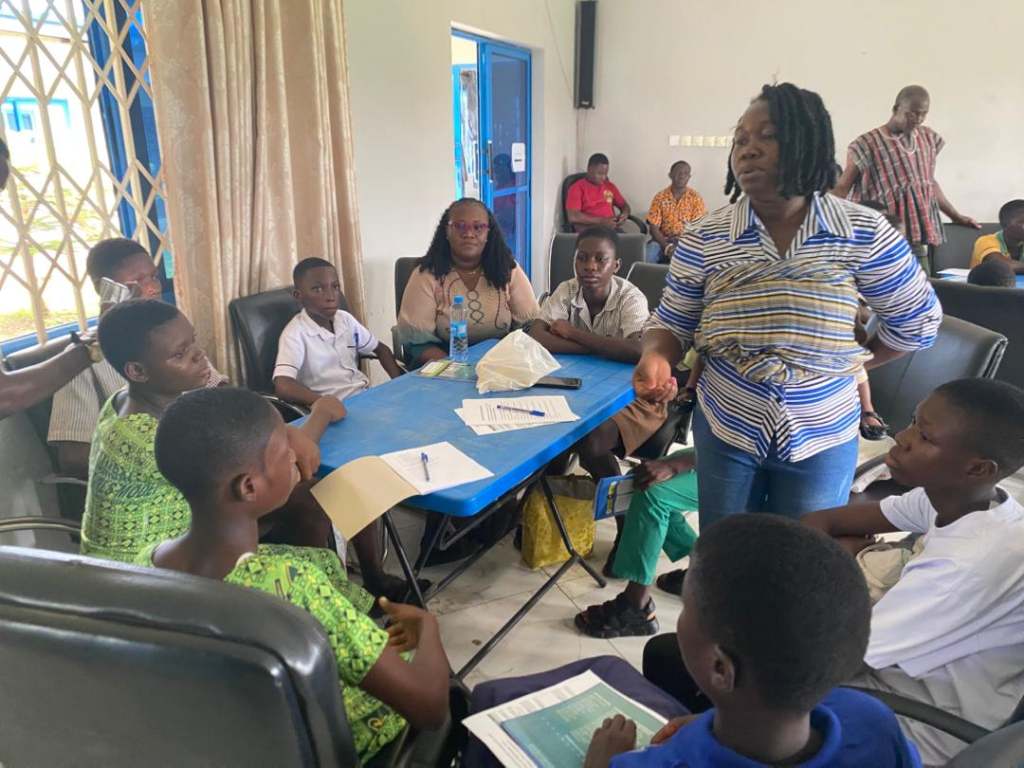
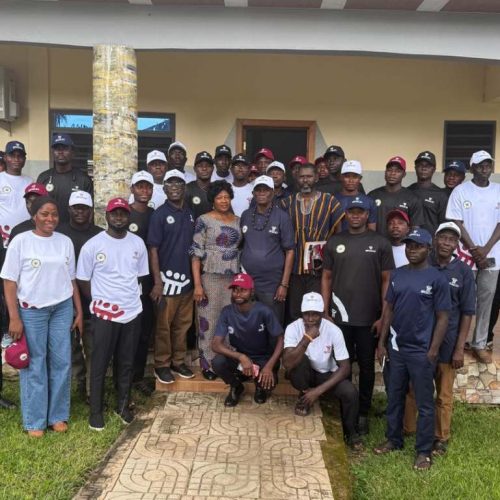
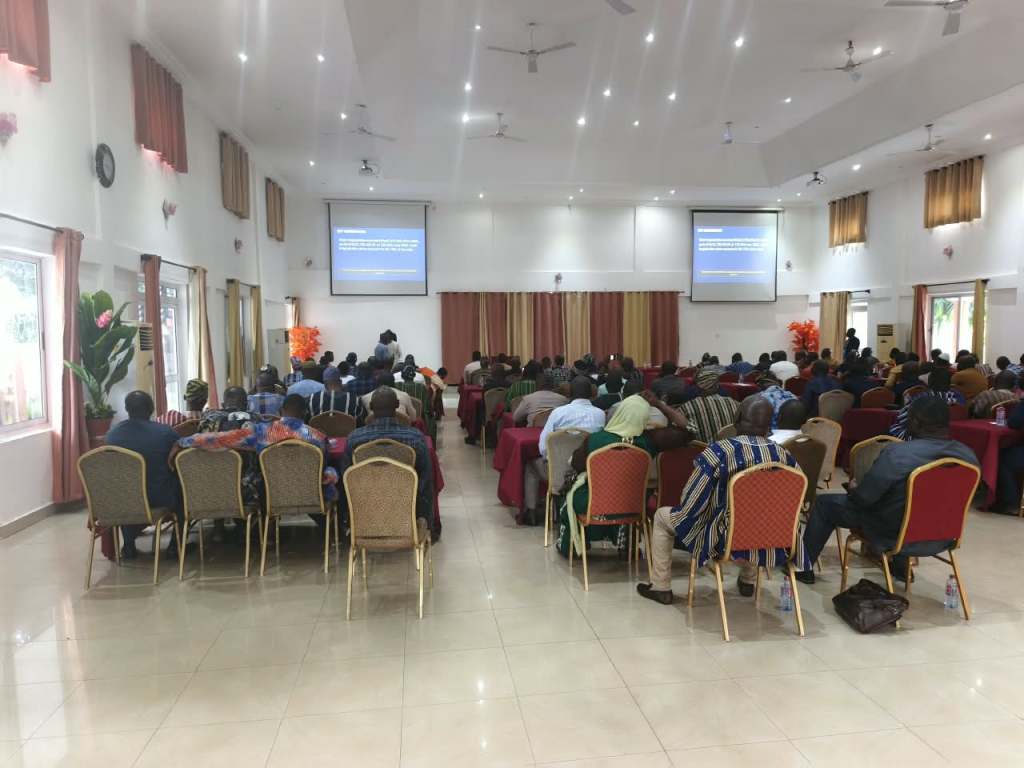
This year’s national children’s day event brought together about 50 students from selected schools and some 25 guest to mark the event. During the event, children segment into groups with dignitaries amongst them aimed at educating , sensitizing and encouraging them to voice out against any form of abuse they come across their life in the society.
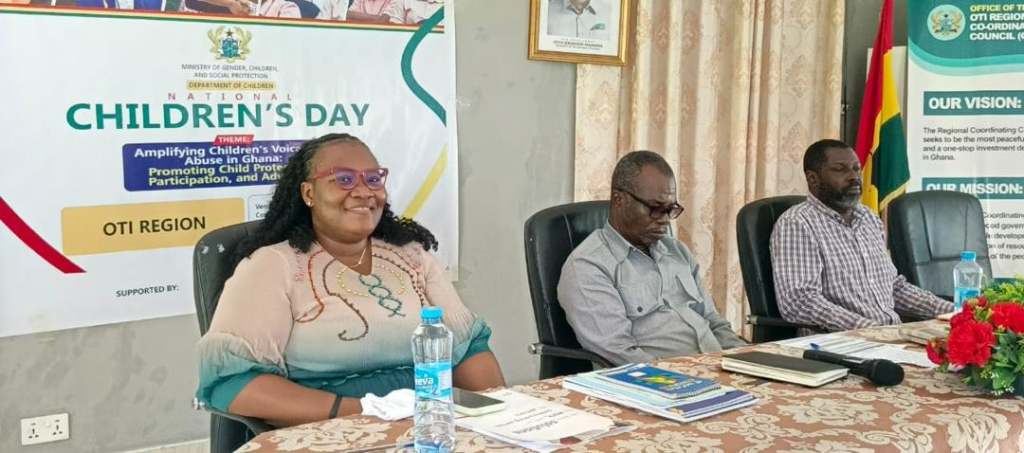
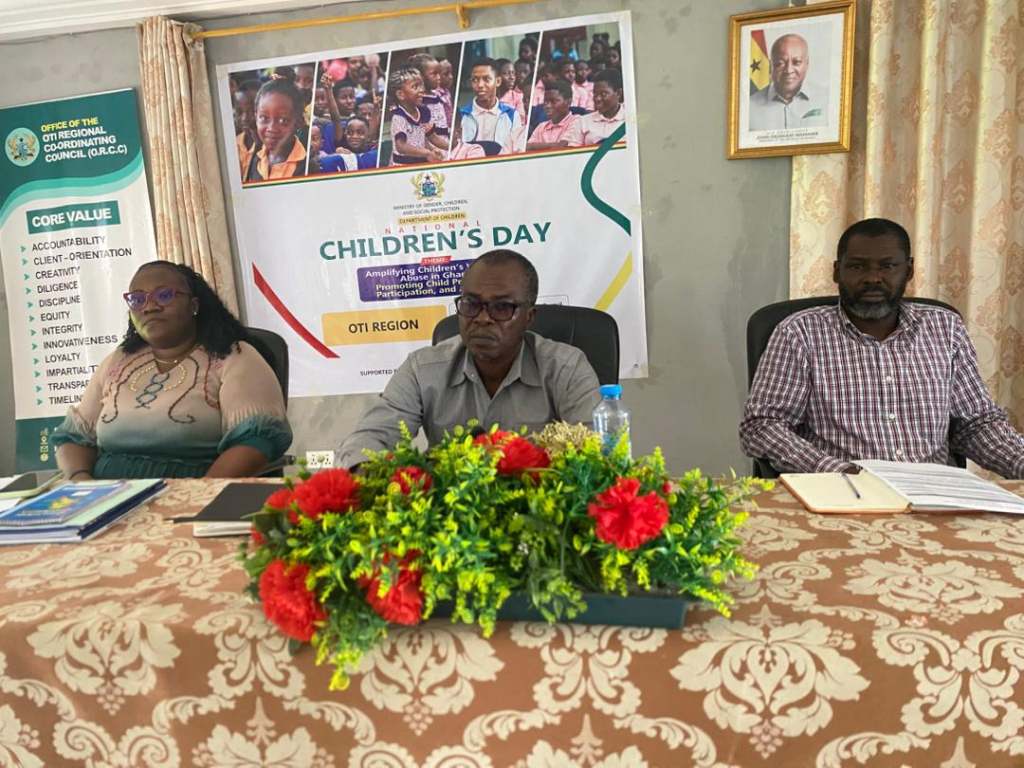
Addressing the gathering, the Oti Regional Coordinating Director, Sampson Slessor Agbeve indicated that although children at the infancy are not able to make decisions, but are able to connect with emotions.According to him, Children are a gift of children hence there was no enough reason to suppress children and exposing them to harmful and hazardous materials and environment in the society.
He underscored the need to uphold the concept of child protection and encourage our children to speak up on their challenges bedeviling them in their daily lives you to become responsible. “It’s good for you to be protected, participate and right to life but does not have the right to do things that can infringe upon the rights of other people.”
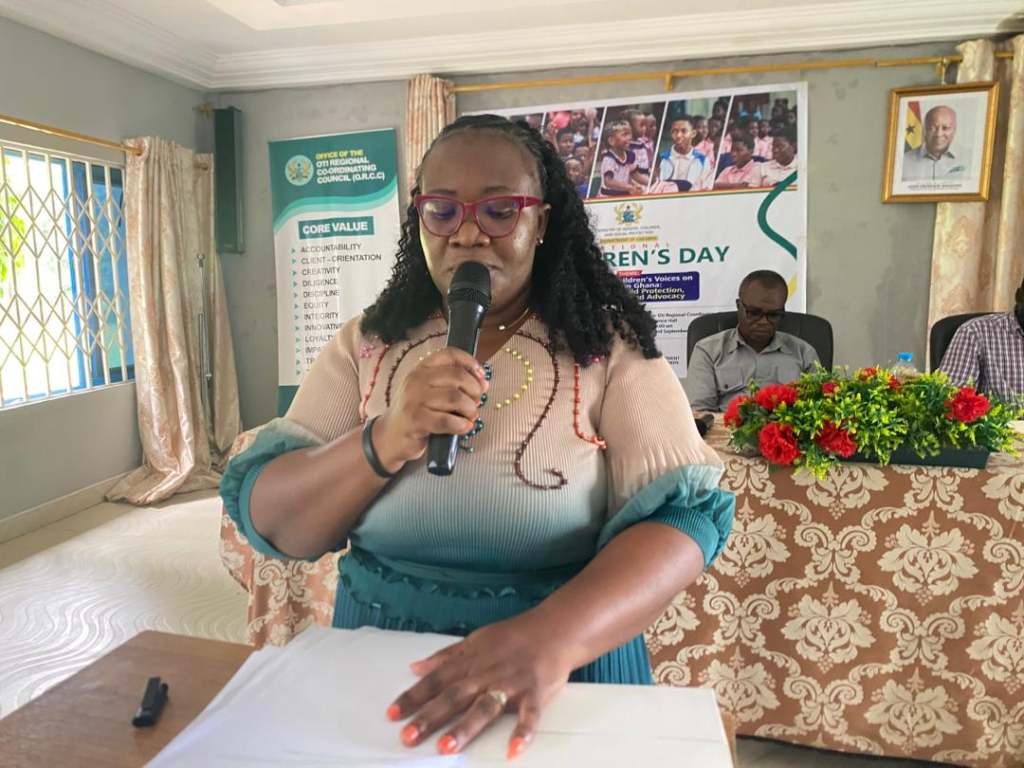
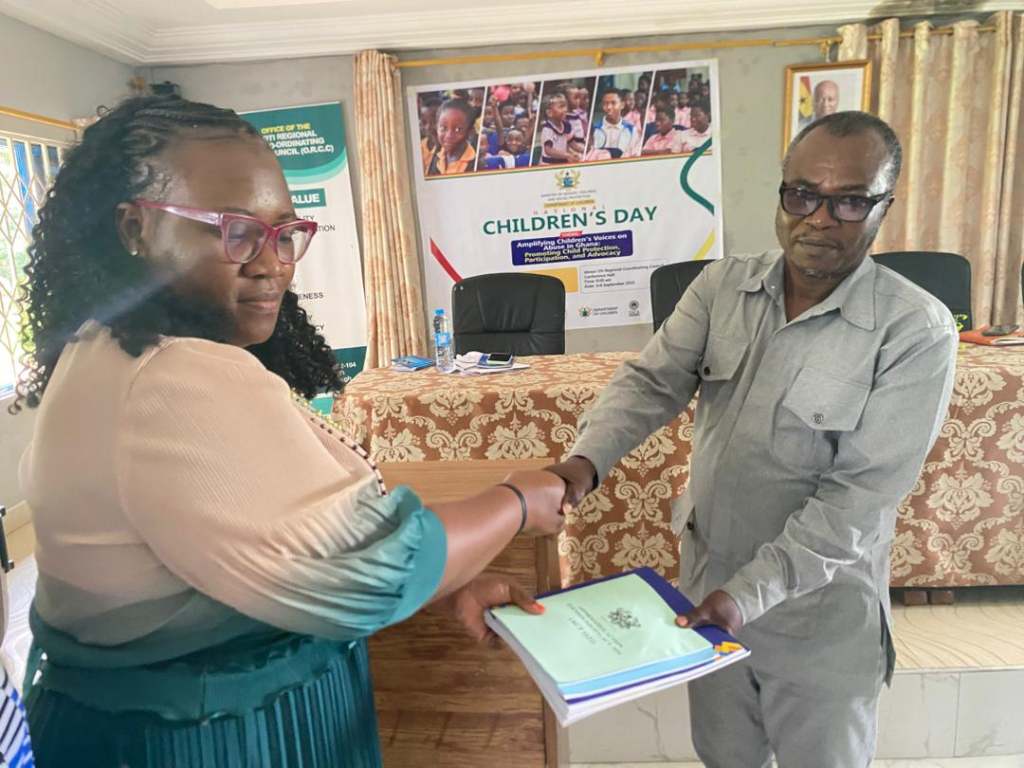
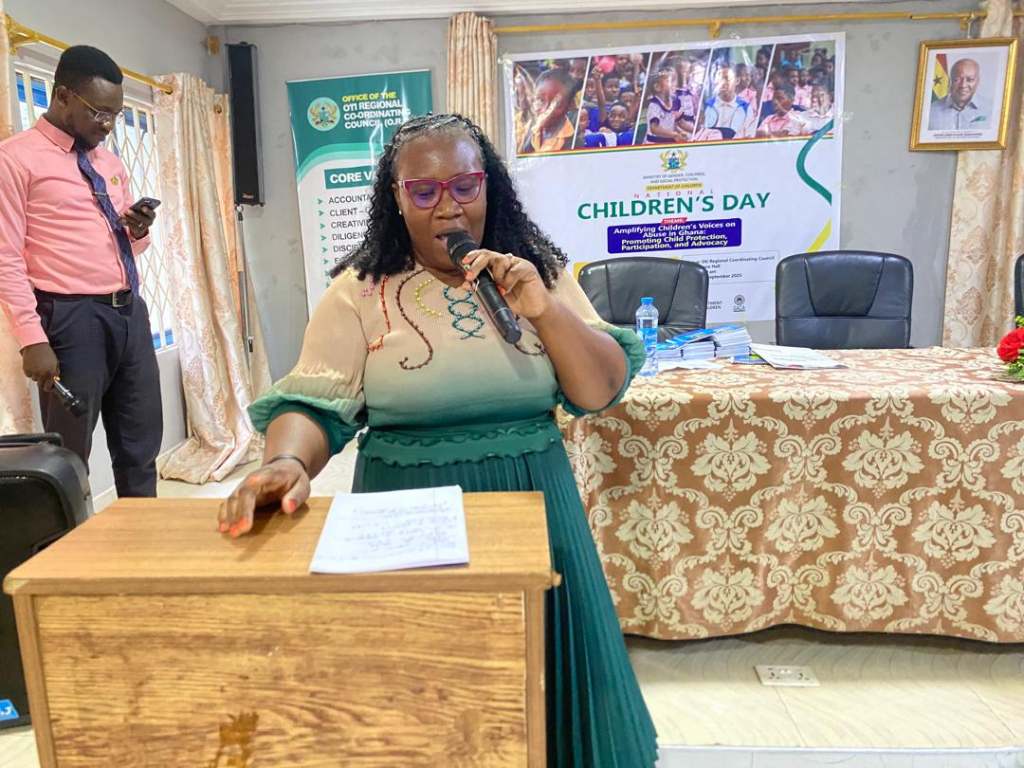
The Acting Oti Regional Director of the Department of Children, Ella Faith Ashong, appealed to communities in the Oti Region and the country at large to end the culture of silence that allows child abuse to go unreported and unpunished.
Speaking on the theme, “Amplifying Children’s Voices on Abuse in Ghana: Promoting Child Protection, Participation and Advocacy Breaking the Silence: Empowering Ghanaian Children to Report Local Abuse Without Fear,” she explained that abuse goes beyond visible physical injuries.
She explained that it includes any act or failure to act by parents, guardians, or caregivers that causes death, serious physical or emotional harm, sexual abuse, or exploitation.She highlighted four major forms of child abuse: physical abuse, neglect (physical, emotional, medical, and educational), sexual abuse, and emotional abuse.
The Director noted that these violations often happen in spaces expected to be safe homes, schools, and communities yet remain hidden due to persistent underreporting.Ms. Ashong attributed the silence to fear of stigma, threats from abusers, cultural tolerance for violent discipline, weak or inaccessible reporting systems, and limited awareness of children’s rights.She also cautioned that some adults may harm children without fully recognizing the long-term impact of their actions.
Addressing the belief captured in the phrase “FIE ASEM, ENKO ABONTEN” (family issues must not go outside), she warned that protecting family image has too often shielded perpetrators rather than victims.
No tradition, she stressed, should override a child’s right to safety and justice.
She further called for child protection efforts that meaningfully involve children, noting that many interventions are designed without consulting them, creating gaps that fail to reflect their lived realities.
She urged parents, teachers, community and religious leaders, the media, and child protection stakeholders to work together to build environments where children can report abuse without fear and be taken seriously.
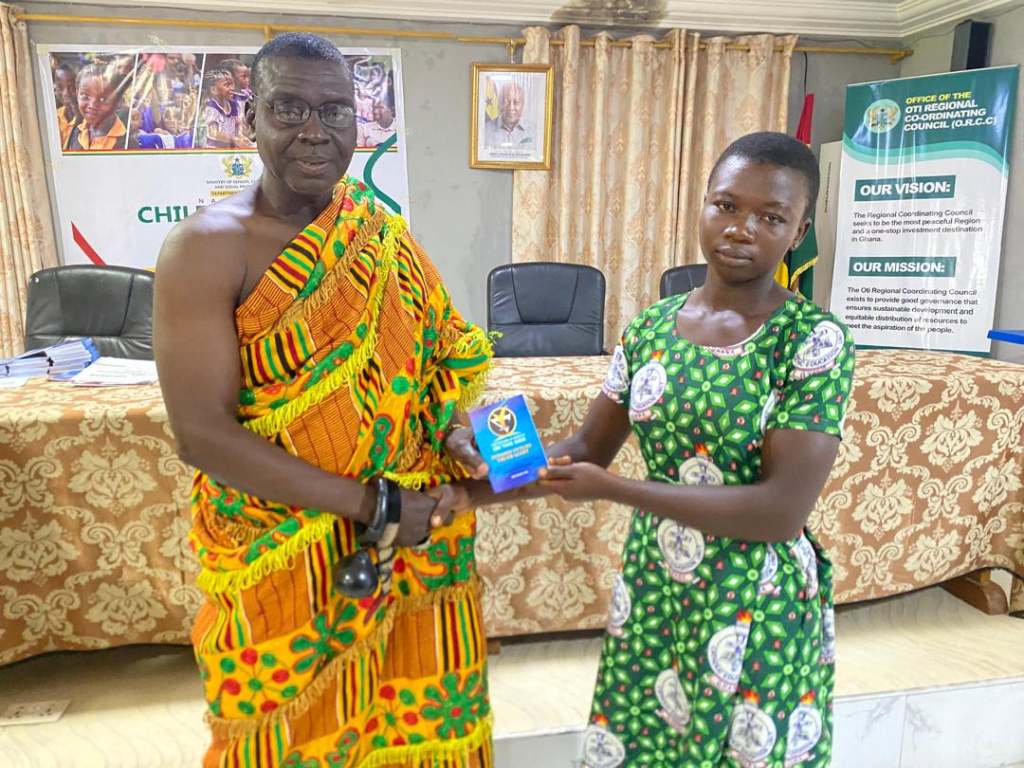
During the event some teenage girls and boys echoed these concerns and appealed for stronger protection for vulnerable children, especially the girl child, reinforcing the need for community courage to listen, act, and break the silence around abuse.