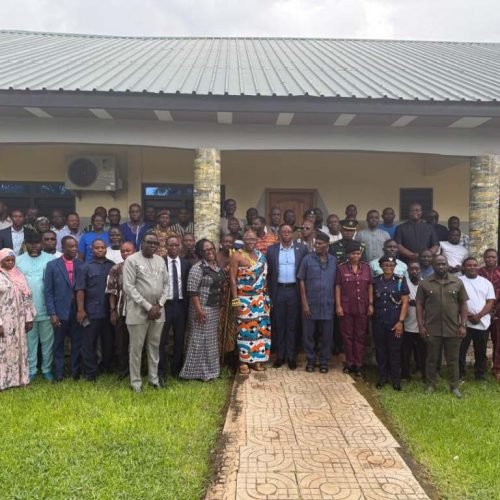
NATIONAL SECURITY ENGAGES STAKEHOLDERS ON REVIEW OF GHANA’S NATIONAL SECURITY STRATEGY 2020.
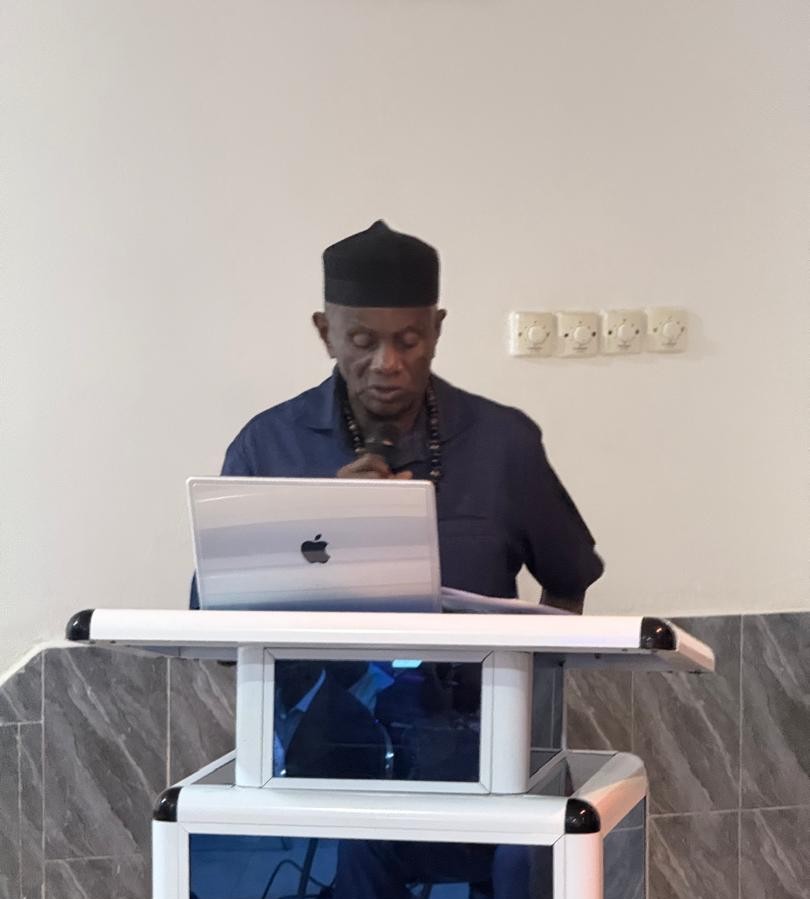
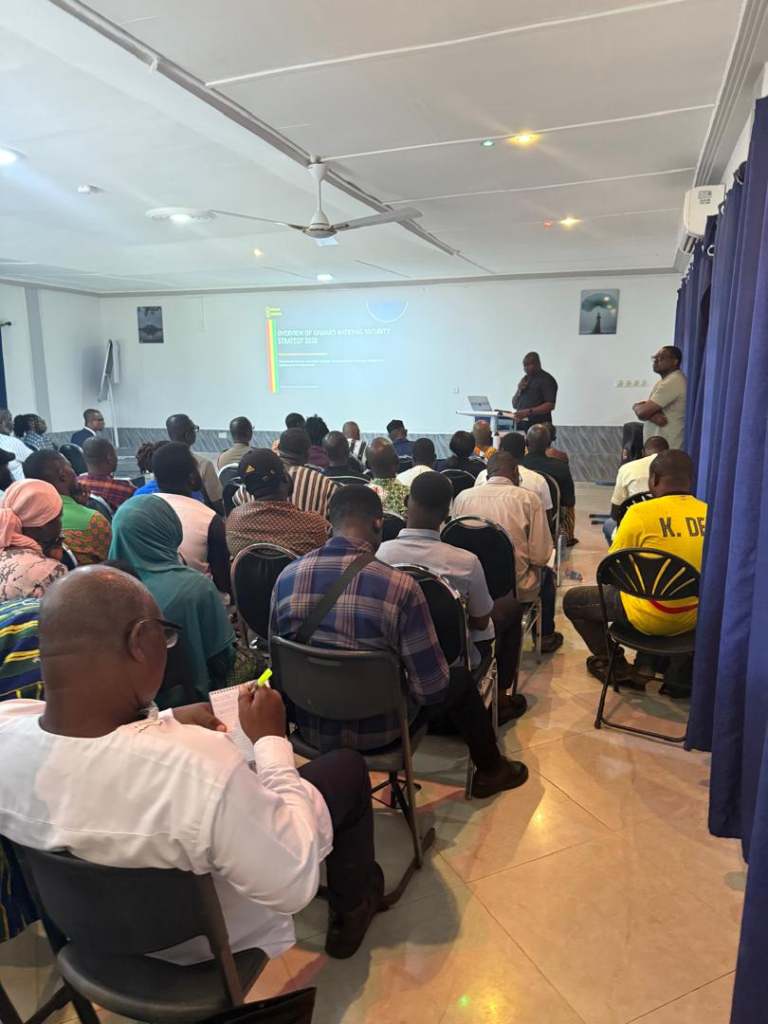
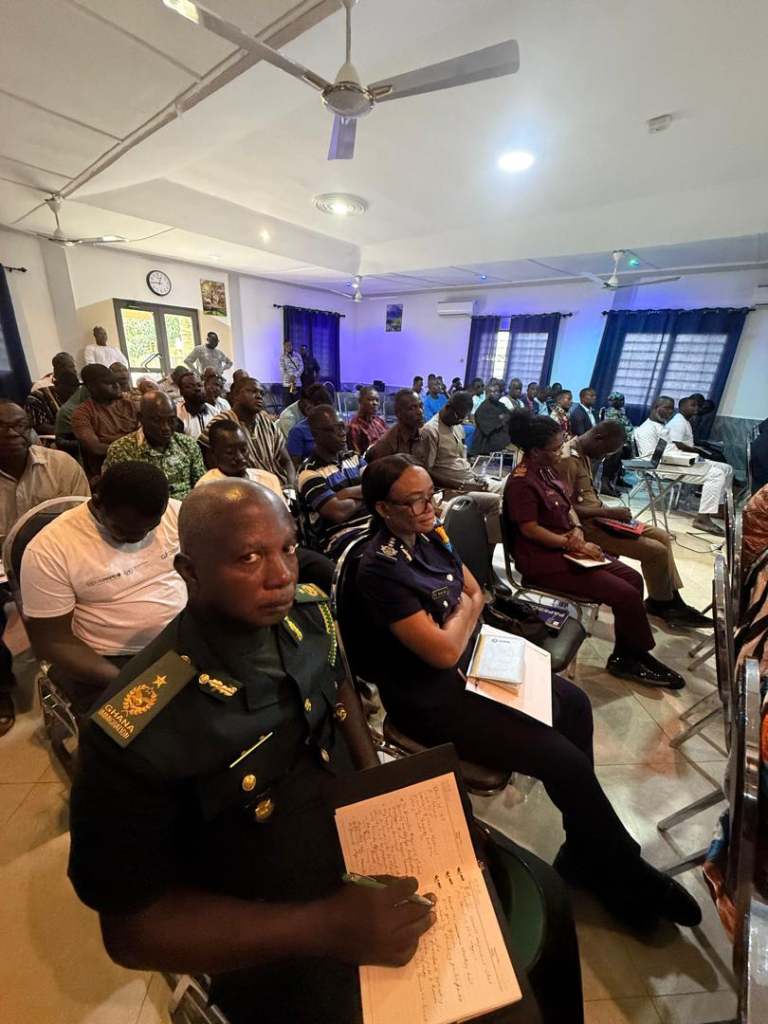
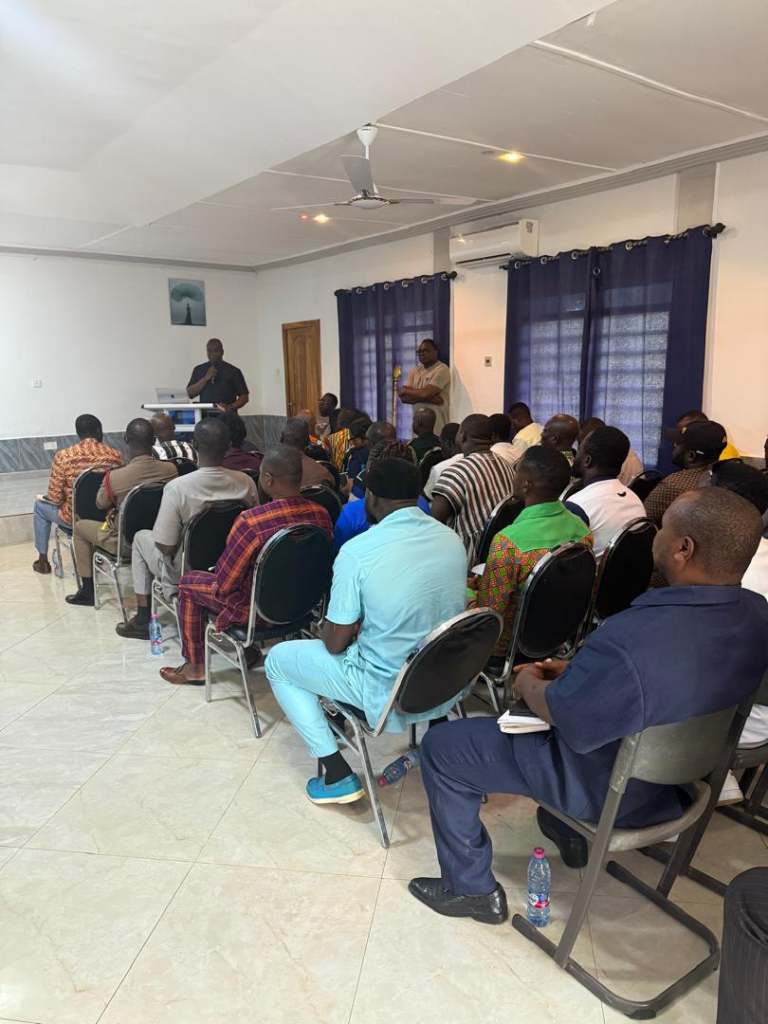
This morning, an entourage from the National Security Secretariat, in collaboration with the Regional Security Council (REGSEC), convened a high-level stakeholder engagement to provide an overview of Ghana’s National Security Strategy 2020 and to solicit inputs for its ongoing review and revision. Addressing the gathering, the Chairman of REGSEC expressed appreciation for the broad and distinguished representation at the meeting, which brought together traditional authorities, heads of security agencies, local government representatives, civil society organizations, religious leaders, youth representatives, and other key stakeholders from across the region.
The meeting underscored the importance of stakeholder participation in shaping a revised National Security Strategy that effectively responds to emerging and evolving threats facing Ghana. According to Security Team, the review process represents far more than a routine administrative exercise. Rather, it is a strategic and proactive response to the changing security dynamics within Ghana, the West African sub-region, and the wider global community. The security environment of today is markedly different from that of a few years ago. While traditional concerns remain relevant, we must also confront emerging threats such as violent extremism, terrorism, cybercrime, transnational organized crime, misinformation, environmental degradation, irregular migration, and communal conflicts. These challenges require a comprehensive, adaptive, and forward-looking strategy that reflects the realities of every region in Ghana. The Council emphasized that security can no longer be viewed solely through the lens of military and law enforcement interventions. Modern security challenges demand a coordinated and inclusive approach that mobilizes the collective efforts of government institutions, security agencies, traditional authorities, communities, the private sector, and civil society organizations. The Regional Security Council (REGSEC), established under the Security and Intelligence Agencies Act, 2026 (Act 1168), remains at the forefront of coordinating security activities and maintaining peace and public order at the regional level. However, participants were reminded that effective national security is a shared responsibility. Security is no longer the exclusive preserve of those in uniform. It is a collective responsibility that requires the active involvement of every citizen. A whole-of-government and whole-of-society approach is essential if we are to build the resilience needed to address both current and emerging threats. Participants were further encouraged to view their communities as the nation’s first line of defence. The meeting provided an opportunity for stakeholders to share firsthand experiences, identify local vulnerabilities, and propose practical solutions to strengthen the country’s overall security architecture. The perspectives and insights you bring from your communities are invaluable. They will help ensure that the revised National Security Strategy does not become merely an ‘Accra document,’ but rather a truly national framework that reflects the aspirations, concerns, and lived experiences of citizens in every corner of Ghana. REGSEC called on stakeholders to engage openly and constructively throughout the consultation process by highlighting both successes and existing gaps in the current strategy. Particular attention was given to regional-specific concerns including border security, land and chieftaincy disputes, youth unemployment, environmental security, illegal mining activities, social cohesion, and other emerging risks that may threaten peace and stability. The Council noted that informed and honest stakeholder contributions are critical to ensuring that the revised strategy translates into effective actions and measurable improvements in public safety and national resilience. Concluding the engagement, participants were reminded that Ghana’s peace and stability remain indispensable foundations for economic growth, social development, and national progress.
Peace and security are the bedrock upon which sustainable development is built. As we undertake this important review, let us do so with a sense of patriotism, urgency, and shared responsibility. Together, we can develop a National Security Strategy that not only addresses today’s challenges but also prepares Ghana for the opportunities and uncertainties of the future. The stakeholder engagement forms part of ongoing national consultations aimed at producing a comprehensive and inclusive revised National Security Strategy that reflects the priorities and security concerns of all Ghanaians.