ORCC HOLDS 2026 SECOND QUARTER MONITORING AND EVALUATION DISSEMINATION MEETING
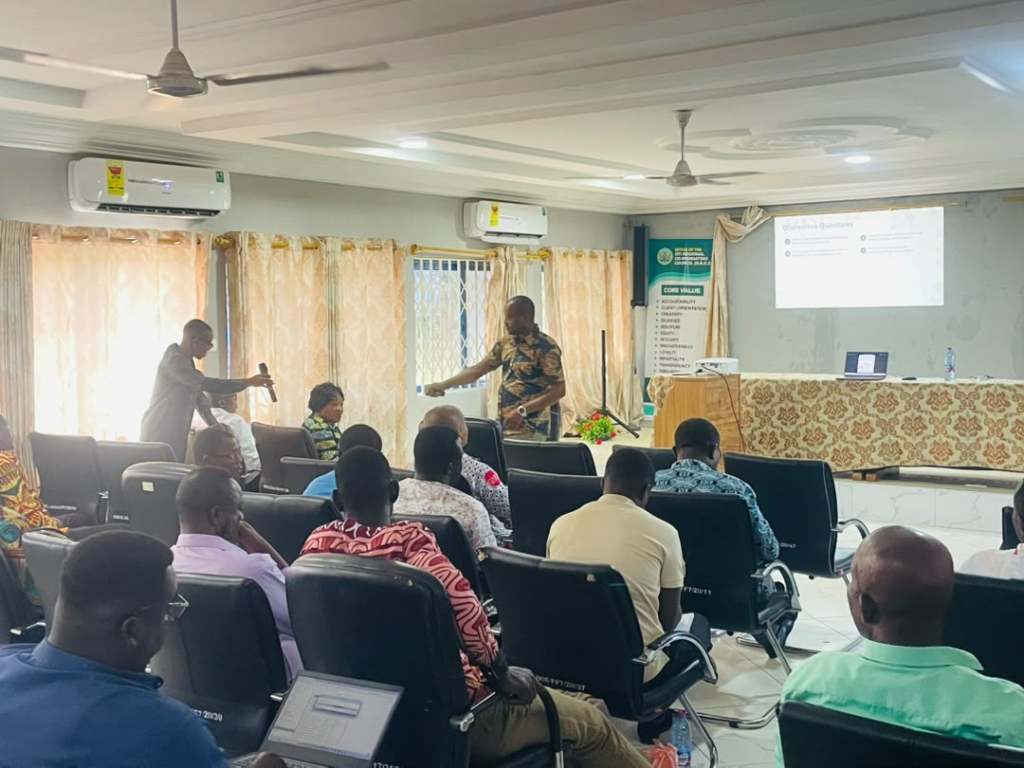
The Oti Regional Coordinating Council (ORCC), on Thursday, held its 2026 Second Quarter Monitoring and Evaluation (M&E) Dissemination Meeting under the auspices of the Regional Planning Coordinating Unit (RPCU).
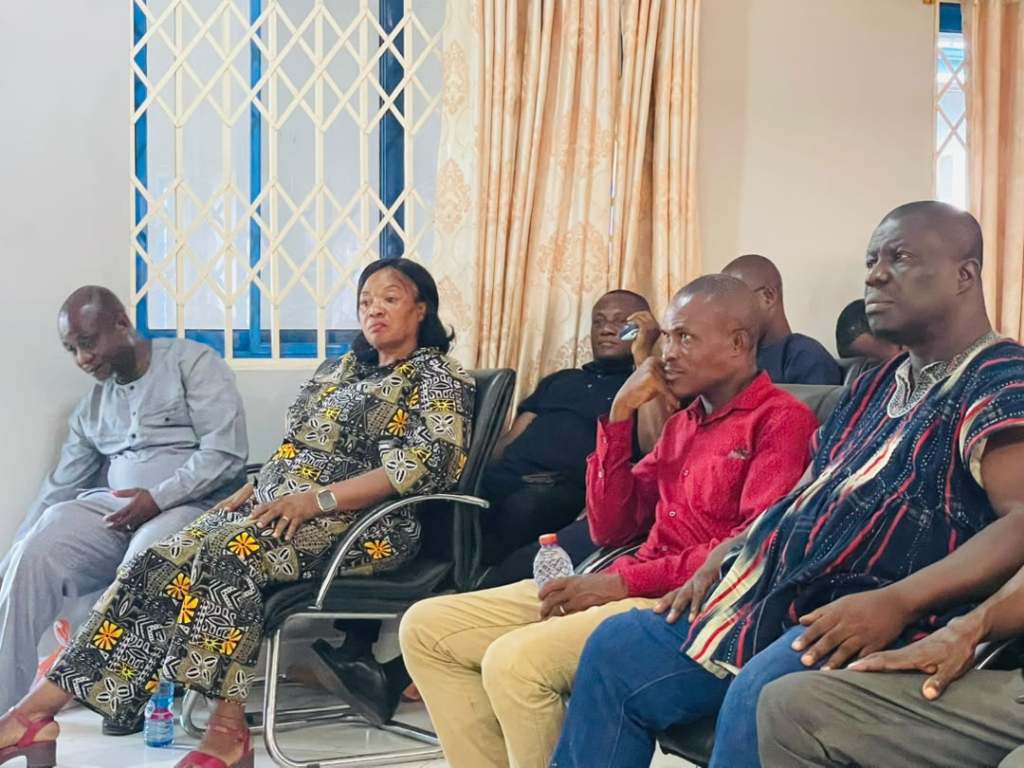
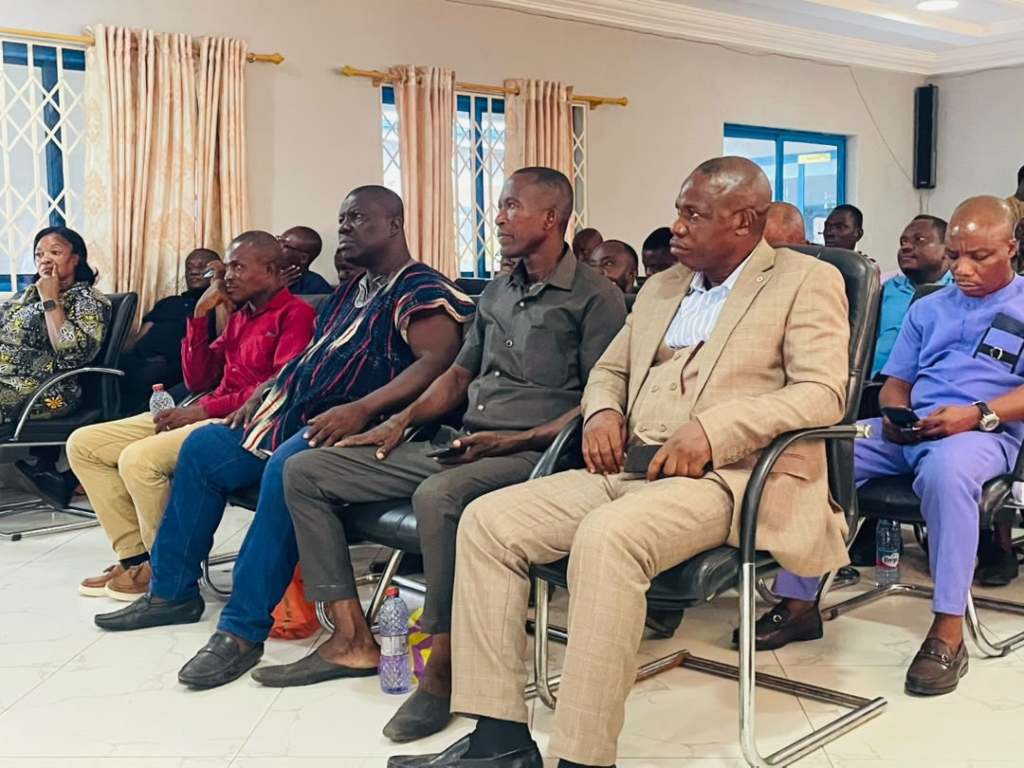
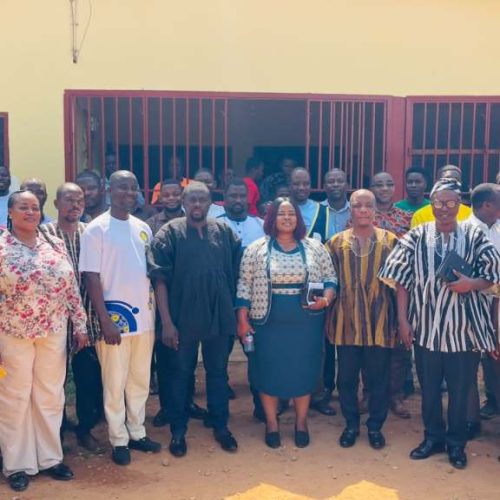
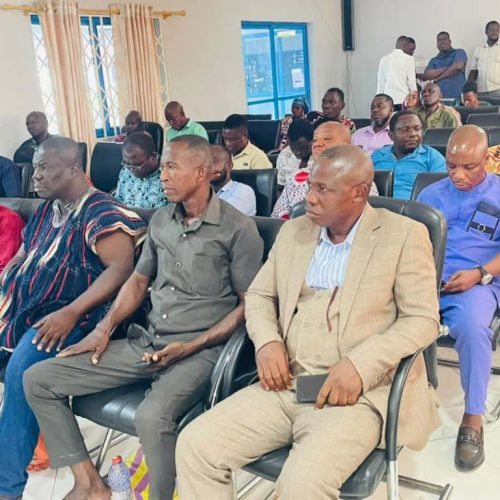
The meeting brought together members of the RPCU, Municipal and District Chief Executives (MDCEs), Coordinating Directors and officers from the various Municipal and District Assemblies, as well as Heads of Departments, to deliberate on the performance of the nine Assemblies in the region during the second quarter of 2026.
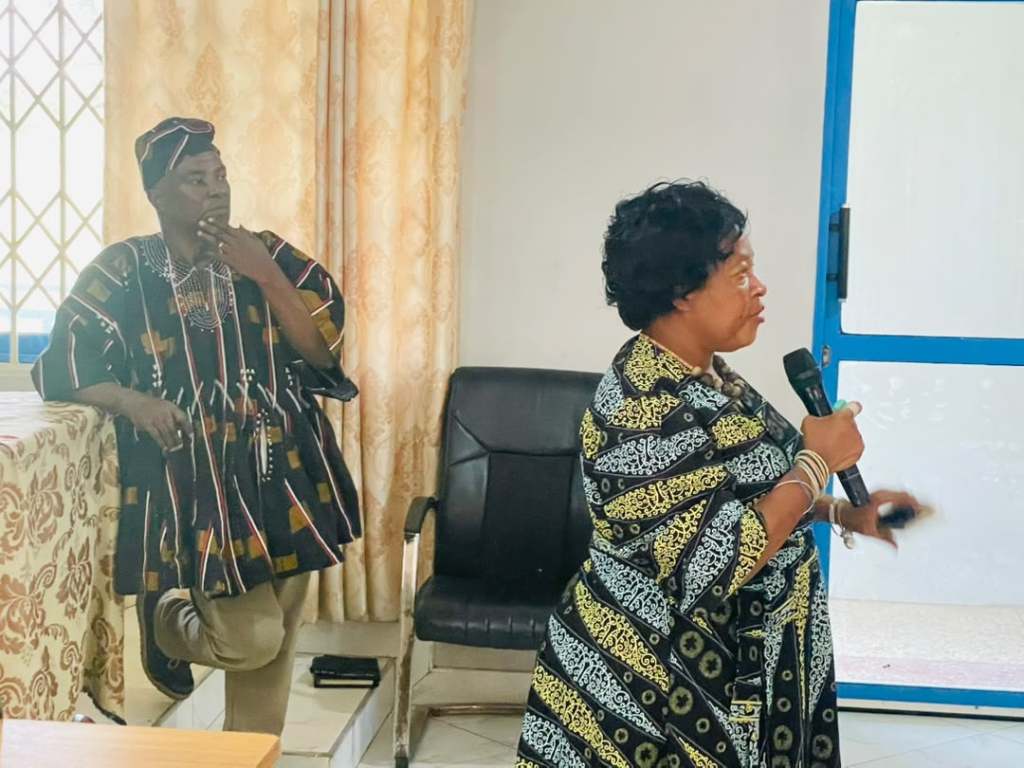
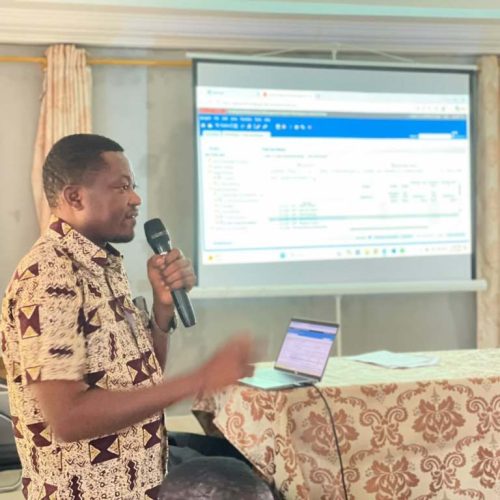
The meeting was chaired by the Chief Director of the Oti Regional Coordinating Council, who provided leadership and direction for the deliberations. The presentation, delivered by the Regional Head of the Budget Unit of the ORCC, highlighted the findings of the monitoring exercise, performance rankings, challenges identified and recommendations for improving service delivery across the region.
The monitoring exercise assessed the performance of all nine Municipal and District Assemblies against 156 indicators covering seven key performance areas: Development and Spatial Planning, Administration and Coordination, Procurement and Contract Management, Budgeting, Financial Management, Asset Management, and Social Service Delivery.
A significant improvement was recorded in the overall performance of the Assemblies, with the regional average increasing from 51.4 per cent in the first quarter to 80.9 per cent in the second quarter of 2026.
In the overall performance ranking, Nkwanta South Municipal Assembly emerged as the best-performing Assembly with 92.9 per cent, followed by Kadjebi District Assembly with 87.2 per cent and Krachi East Municipal Assembly with 86.5 per cent. Guan District Assembly recorded 70 per cent but remained within the minimum performance threshold, with all nine Assemblies achieving at least 70 per cent.
Among the seven performance areas assessed, Procurement and Contract Management recorded the highest performance of 99 per cent, followed by Development and Spatial Planning at 91.4 per cent and Social Service Delivery at 87.9 per cent. However, Asset Management declined from 63.9 per cent to 50 per cent, while Budgeting also recorded a marginal decline from 79.6 per cent to 77.8 per cent.
The presentation further highlighted the performance of the Assemblies in Internally Generated Funds (IGF) mobilisation. The nine Assemblies collectively mobilised GH¢3.97 million out of a budgeted revenue target of approximately GH¢7.45 million, representing 53.31 per cent of the annual target as at the end of the second quarter.
Despite the notable improvements, the monitoring exercise identified some operational challenges, including the non-functionality of Public Relations and Complaints Committees, weak sub-district structures, inadequate logistics, delays in gazetting Assembly bye-laws, poor asset management practices and inadequate revenue mobilisation systems.
The meeting consequently recommended the strengthening of the Public Relations and Complaints Committees, improved resourcing of sub-district structures, timely signing of contract documents before project commencement, establishment of functional Fixed Asset Coordinating Units, procurement of revenue management software and increased attention to gender and vulnerability-related interventions.
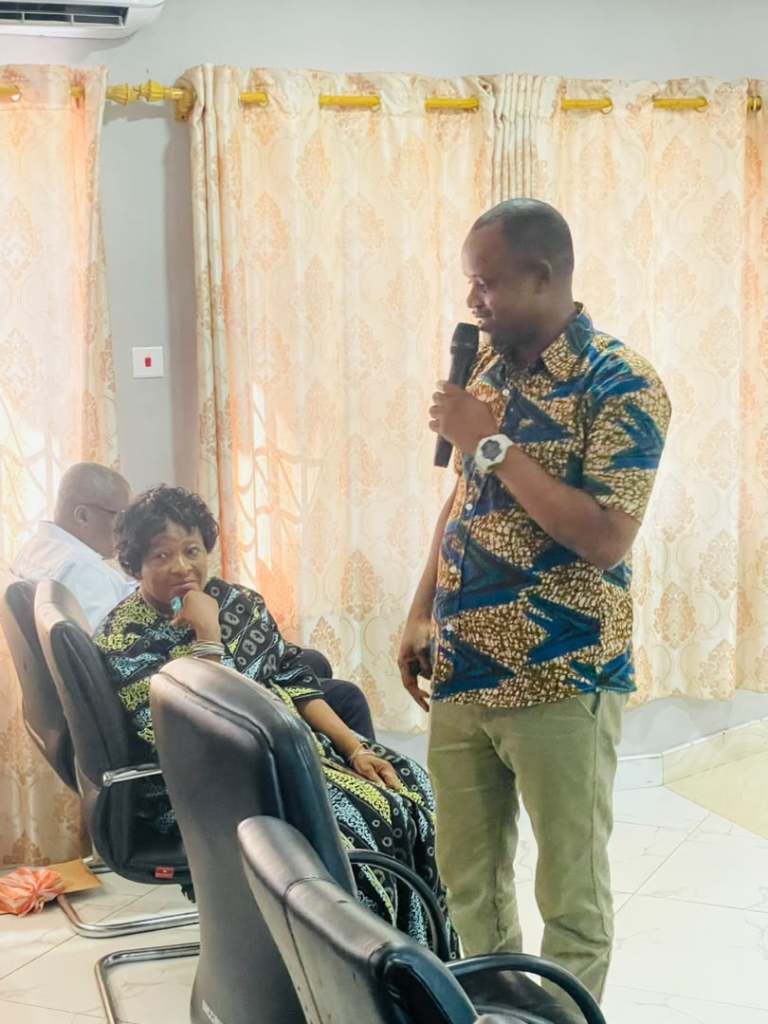
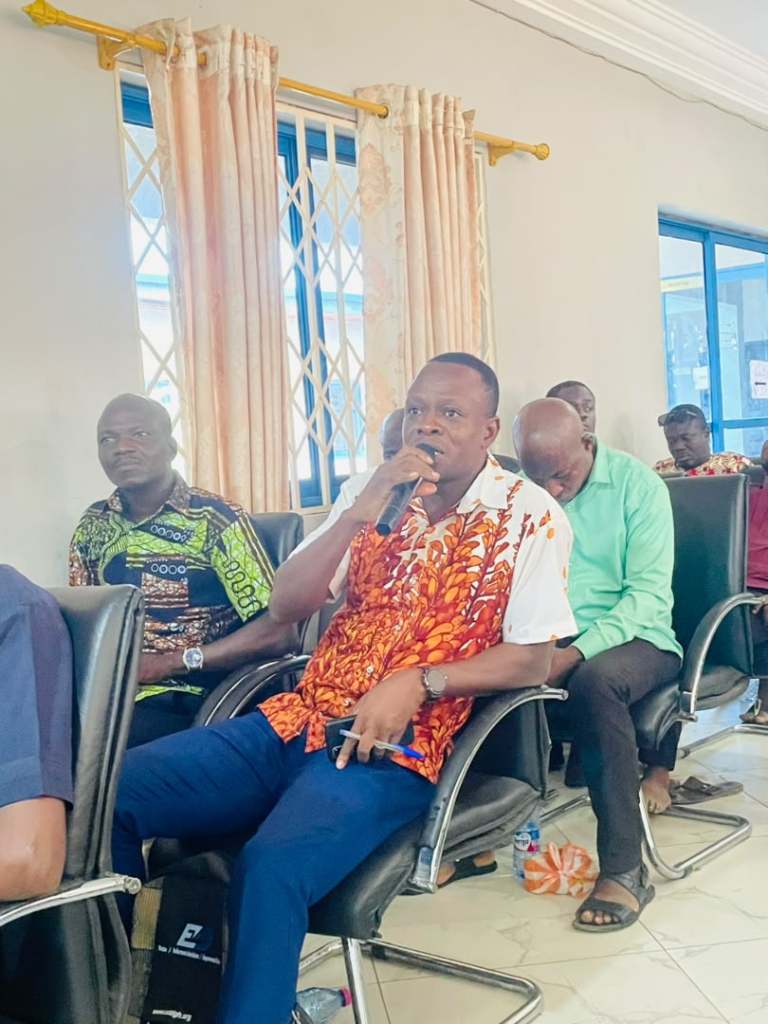
The deliberations provided an opportunity for the MDCEs, Coordinating Directors and other stakeholders to examine the performance of their respective Assemblies, identify gaps and discuss practical measures to address the challenges highlighted.
The meeting reaffirmed the importance of continuous monitoring, institutional accountability and collaboration among the Assemblies and the Regional Coordinating Council in improving local governance and accelerating development across the Oti Region.