ORCC HOSTS REGIONAL BUDGET PRODUCTION WORKSHOP FOR 2027–2030 COMPOSITE BUDGETS
The Oti Regional Coordinating Council (ORCC) has hosted a Regional Budget Production Workshop for the preparation of the 2027–2030 Composite Budgets for Municipal and District Assemblies in the Oti Region.
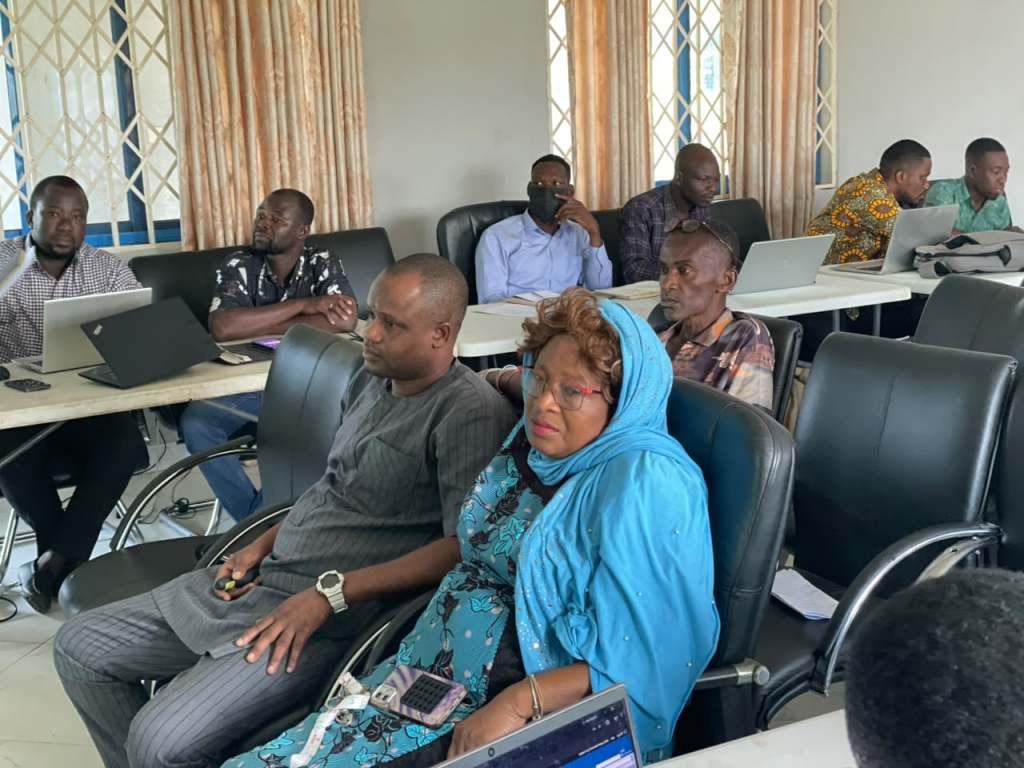
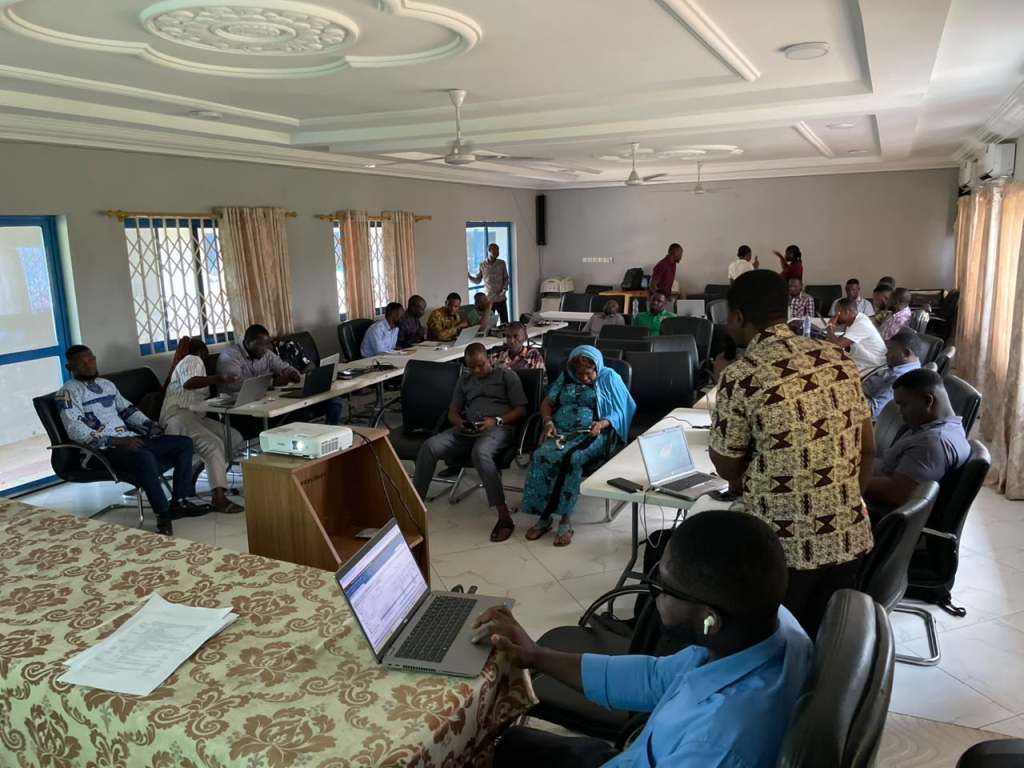
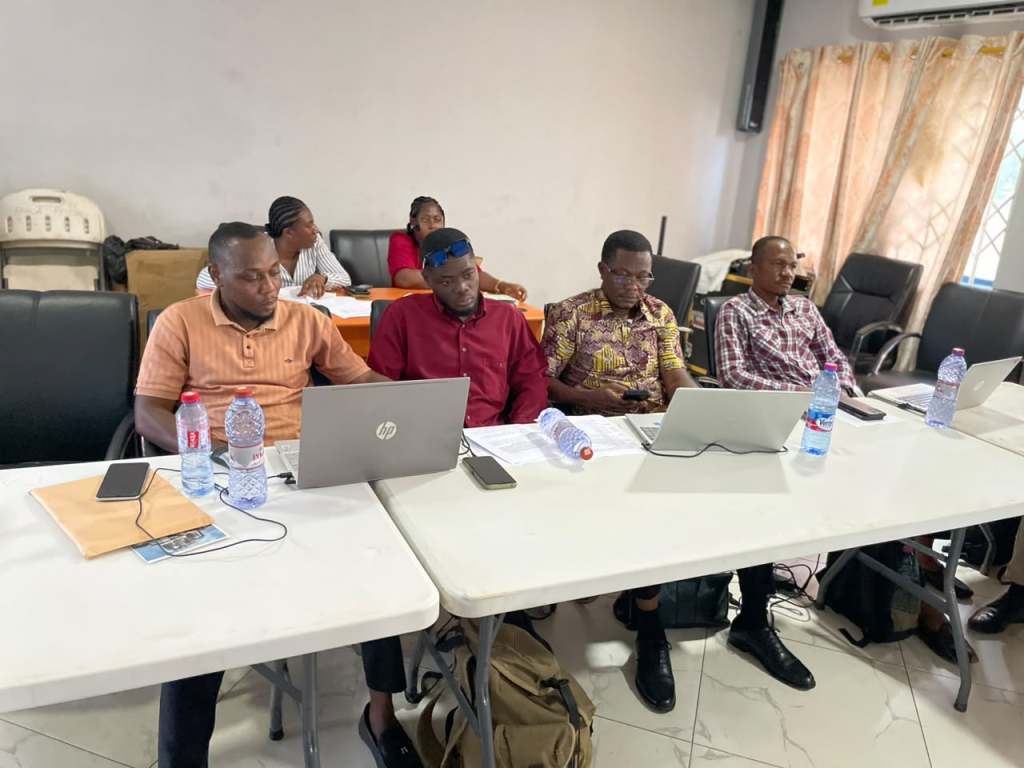
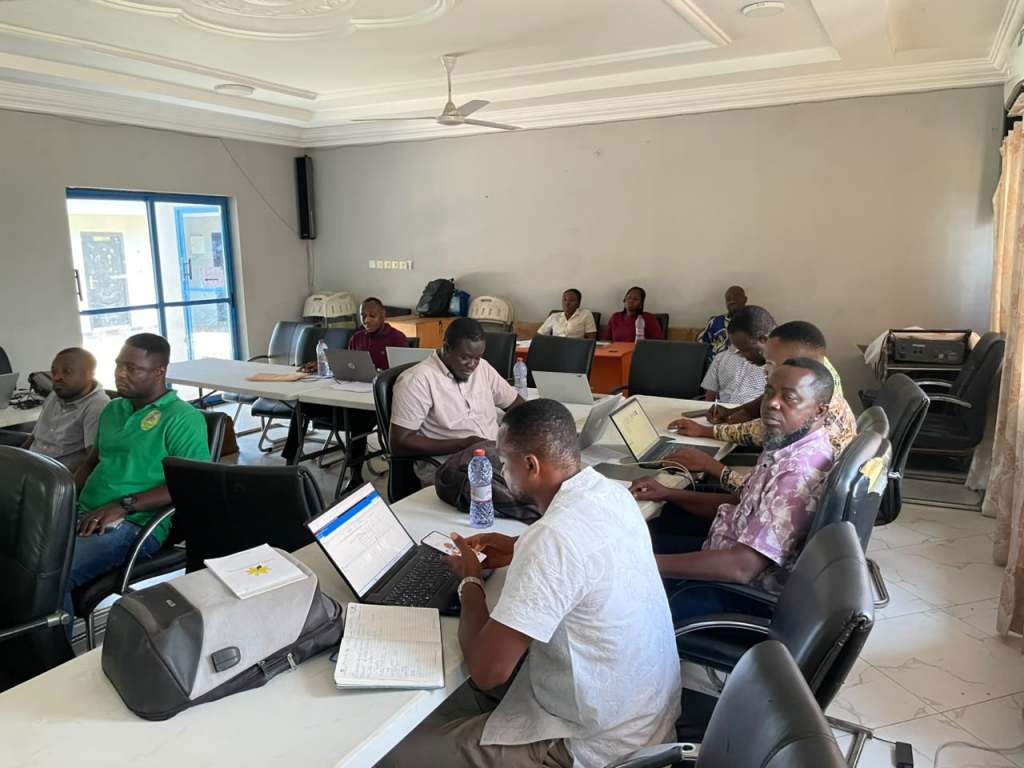
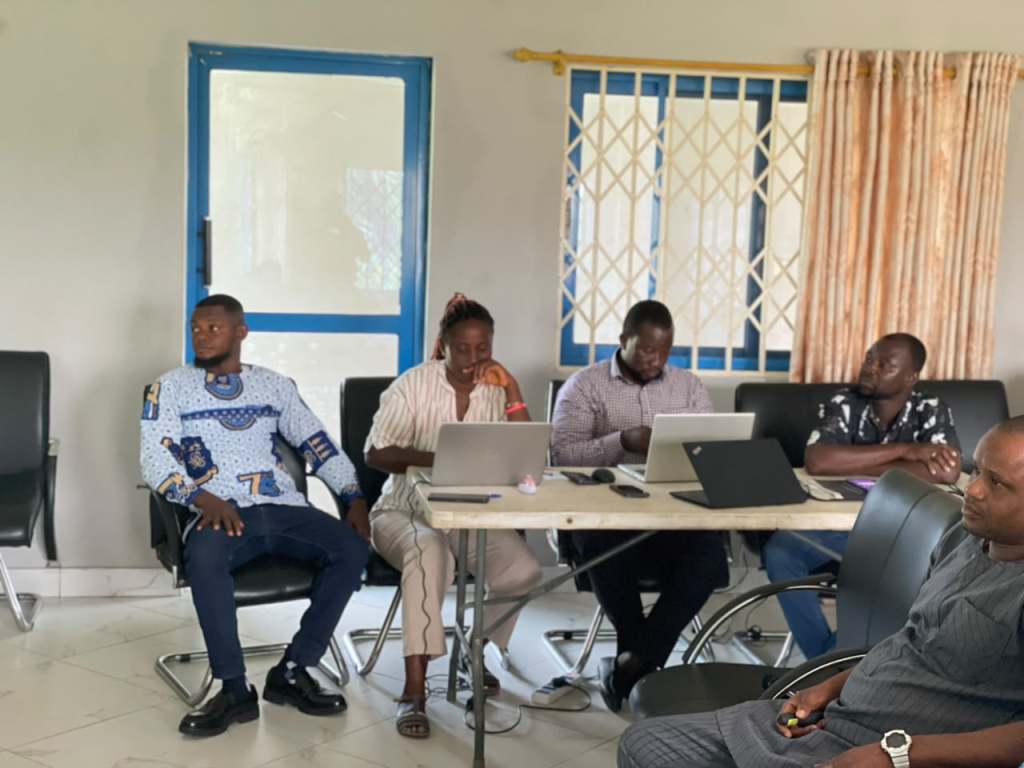
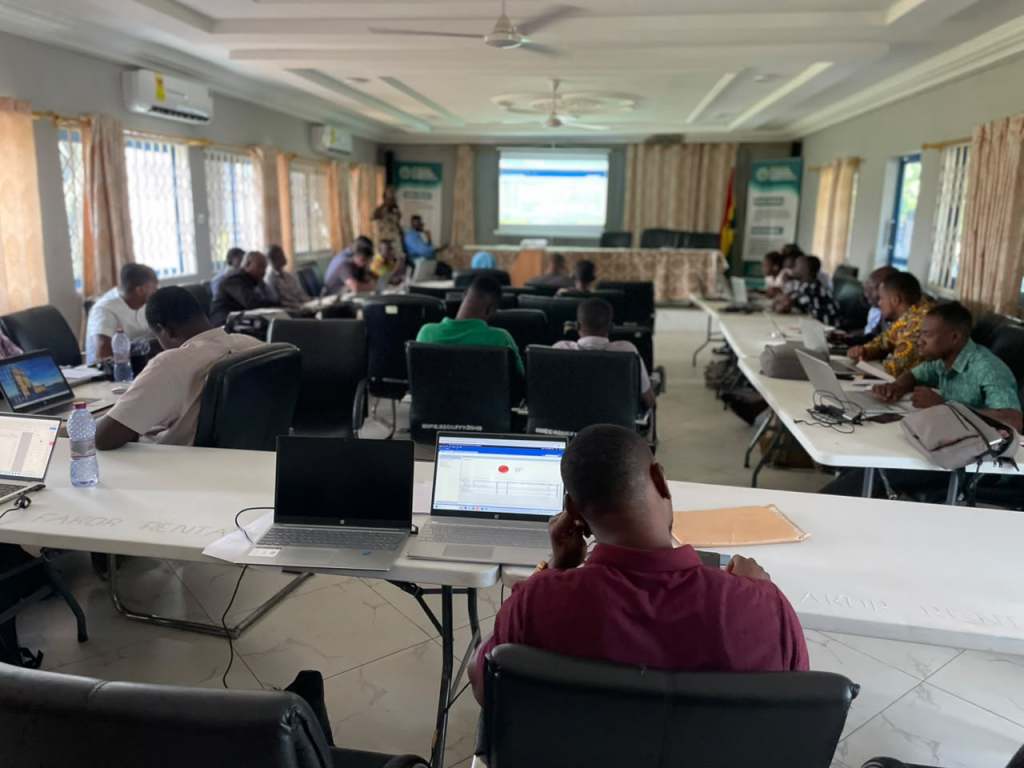
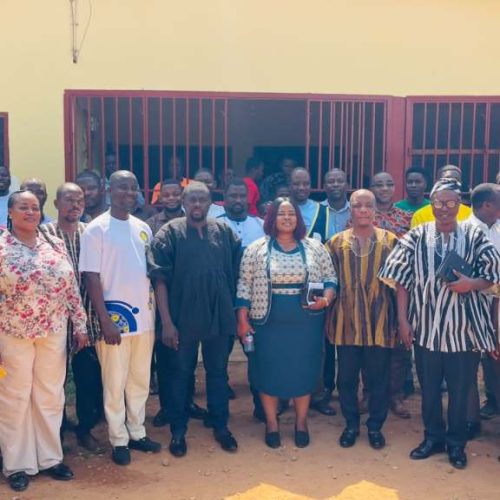
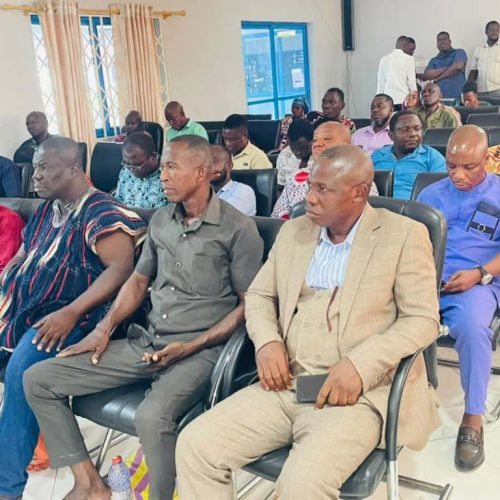
The workshop, held at the Regional Coordinating Council Conference Hall in Dambai from November 16 to 18, 2026, brought together Budget Officers, Finance and Accounts Officers, and Planning Officers from all nine Municipal and District Assemblies in the region, alongside other key stakeholders involved in the budget preparation process.
The opening address was delivered by Hajia Aisha Habib on behalf of the Regional Coordinating Director/Chief Director of the Oti Regional Coordinating Council. In the address, the Chief Director underscored the importance of the composite budgeting process as a strategic development instrument for translating government policies, development priorities and the aspirations of citizens into realistic and implementable programmes and projects.
He emphasised that the quality of the composite budgets would have a direct bearing on the pace of development across the various districts and municipalities. He further stressed that the 2027–2030 Composite Budgets must be firmly aligned with the respective Assemblies’ Medium-Term Development Plans for 2026–2029.
A major issue highlighted during the address was the need for improved Internally Generated Funds (IGF) mobilisation through digital platforms. The Chief Director urged all Assemblies to develop realistic Revenue Improvement Action Plans and ensure full compliance with the mandatory use of the dLEREV platform for revenue collection in 2027.
He also called on the Assemblies to mainstream gender, disability and social inclusion considerations into their budgets while giving adequate attention to climate change and environmental sustainability, particularly in the areas of environmental protection, flood management, sustainable agriculture, sanitation and water resource management.
The Chief Director further outlined key expectations for the various officers involved in the budget preparation process. Budget Officers were urged to adhere strictly to the resource envelopes and budget ceilings communicated by the Ministry of Finance and other relevant national institutions. Planning Officers were tasked to ensure that proposed programmes and projects reflected approved development priorities and were supported by appropriate performance indicators, while Finance Officers were encouraged to provide accurate financial information to support realistic budget preparation.
Additionally, all Assemblies were reminded of the requirement to commit at least 20 per cent of their Internally Generated Funds to capital projects that directly benefit citizens. The Chief Director indicated that the Regional Coordinating Council would participate in the commissioning and site meetings of such projects, where applicable.
Other key directives included the mandatory preparation and capturing of the 2027–2030 Composite Budgets using the GIFMIS Budget Module (Hyperion), the processing of all procurement activities through GHANEPS, and the prioritisation of ongoing projects and outstanding contractual obligations before introducing new projects.
The Assemblies were also encouraged to explore revenue mobilisation opportunities arising from the 24-Hour Economy and incorporate relevant HIV interventions into their development plans, with adequate resources allocated for implementation.
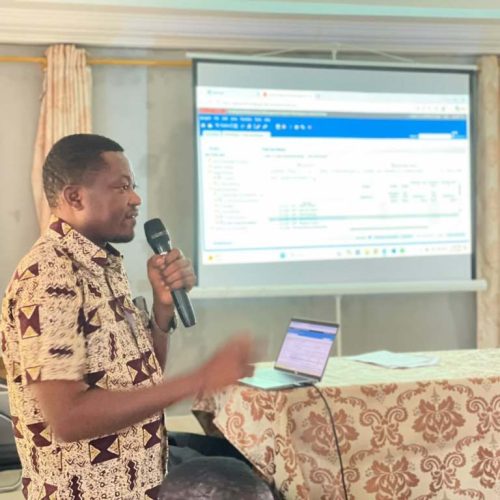
The workshop featured technical presentations and practical working sessions on the Oracle Hyperion data entry system, including the capturing of budget information into Hyperion and the Programme-Based Budgeting (PBB) format. Participants also received guidance on the appropriate use of Charts of Accounts and the correct coding of projects and operations.
The programme further provided an opportunity for participating Assemblies to present their final draft budgets, highlighting key information in the Programme-Based Budgeting format for review and consideration.
The workshop forms part of the Regional Coordinating Council’s efforts to strengthen budget preparation, improve fiscal discipline, promote effective resource allocation and ensure that development interventions across the nine Assemblies are properly planned, costed and aligned with regional and national development priorities.
In concluding the address, the Chief Director expressed confidence that effective collaboration and active participation among the various officers would result in credible and implementable composite budgets capable of promoting balanced development, strengthening institutional capacity, expanding local economic opportunities and improving the living conditions of the people of the Oti Region.